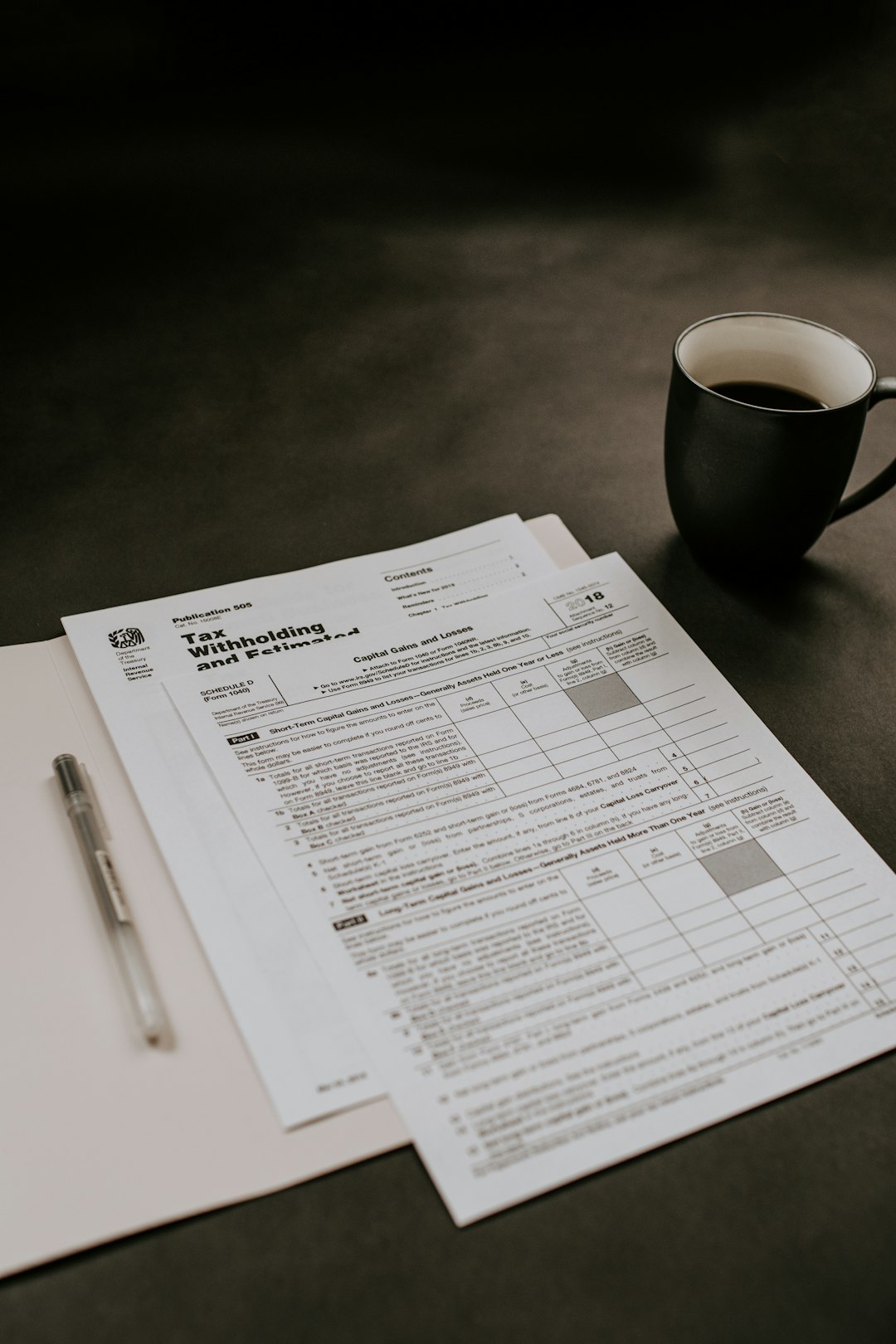
Running a business in Sydney means dealing with a maze of tax rules that can quickly become overwhelming. Deadlines for tax returns loom, and the pressure to file accurately while maximising deductions can feel relentless. This is especially true if you’re a sole trader or managing a small operation. The Australian tax system has nuances that can affect your financial outcome significantly, and missing details, like the distinction between different taxpayer categories, can lead to costly errors. Consulting with an international tax accountant sydney who understands both local and foreign tax issues can make all the difference.
When preparing your taxes, it’s vital to know which expenses can be claimed. Running a home office? You can claim a proportion of utilities and rent. Travel for business? Keep detailed logs of mileage, accommodation, and meals. Some clients overlook smaller costs like stationery or phone bills, but these add up. Accountants often advise keeping receipts organised throughout the year to avoid scrambling at tax time. They also help differentiate between capital and revenue expenses, which affects how deductions are applied.
Different entities have distinct tax obligations. Sole traders use the individual tax return form with a business schedule, while companies file separate company returns. Getting this wrong can trigger audits or penalties. If your business earns overseas income, understanding how foreign tax credits work is crucial to avoid double taxation. Expert accountants stay updated on treaties and reporting requirements so you don’t have to.
Many busy professionals prefer online consultations over office visits. With secure file sharing platforms, your accountant can review documents remotely and provide instant feedback during video calls. This saves time and allows you to discuss sensitive matters without distractions. Digital communication also means last-minute questions get answered quickly, reducing the chance of errors due to misunderstandings.
Changes to legislation happen frequently. For example, adjustments in capital gains tax rules or fringe benefits tax can impact your liabilities. Experienced tax agents monitor these shifts and adjust strategies accordingly. They might suggest deferring asset sales or restructuring ownership to reduce tax bills. Without this insight, you might miss opportunities or face surprises at tax time.
Some accounting firms bundle services like bookkeeping, payroll, and tax preparation into one package. This integration helps maintain accurate financial records year-round, making end-of-year reporting smoother. Regular reconciliations prevent discrepancies that can delay filings. If you want to improve your business’s financial management, consider exploring cross-border tax advice tailored to your specific situation.
Tax agents don’t just file returns; they offer planning advice that can shape your financial future. Retirement strategies, asset protection, and succession planning are areas where their guidance proves valuable. For family businesses, planning ownership transitions carefully can avoid unexpected tax burdens and ensure continuity.
Finding the right accountant pays off in reduced stress and better financial outcomes. They provide clarity on personalised strategies that match your business model and personal circumstances. Preparing well ahead of deadlines, keeping detailed records, and maintaining open communication with your accountant are habits that save time and prevent last-minute issues. Start by reaching out to professionals familiar with Australian and international tax rules to get ahead this season.