
Schwimmkappen für Schwimmer verstehen

Walking into a pool, you’ll spot a range of swim caps: some vivid and eye-catching, others minimal and streamlined. These differences go beyond looks. Swim caps serve multiple practical purposes for swimmers. Competitive athletes often rely on them to reduce drag and keep hair tucked away during races, which can shave valuable seconds off their times. Swim caps mainly come in silicone, latex, and neoprene. Silicone is favored for its toughness and gentle grip, no painful hair pulling even after hours in the water. Latex is thinner and cheaper but prone to tearing. Despite that, some swimmers prefer latex for its firm hold. Neoprene caps are thicker and insulated, making them the go-to for open water swimmers battling cold temperatures. Picture a triathlete prepping for a chilly lake swim. They’d likely pick neoprene to keep their head warm and maintain comfort through the swim leg. Conversely, someone chasing speed in a pool might stick with a slick silicone cap designed to hug the head and slice through water efficiently. The wrong choice can cause discomfort or slow you down. Design matters just as much as material. Caps crafted for competition fit tightly around the head, smoothing out bumps to limit water resistance. A well-fitting cap also stays put during dives and flip turns, so swimmers don’t waste energy adjusting it mid-race. Some athletes even test different sizes before practice to find their ideal fit, avoiding last-minute issues at meets. Beyond performance, swim caps protect hair from chlorine’s harsh effects. Chlorine can dry out hair and fade color treatments over time. Wearing a cap reduces exposure, helping keep hair healthier for frequent swimmers. It’s common for swimmers to rinse their caps after sessions to prevent buildup and extend the cap’s life. Teams often invest in custom caps emblazoned with logos or colors. These create a sense of unity and identity in competitions, reinforcing team spirit poolside. Custom caps also help coaches identify their swimmers during crowded events or relay races. Clubs sometimes order several sizes to accommodate all members’ preferences. If you’re exploring options, think about your main needs: warmth for outdoor swims or speed for racing indoors. There are caps tailored to every purpose. For a broad selection, check out Schwimmkappen. Their range covers all common materials and styles. Understanding swim caps can change how you train and compete. The right cap enhances your glide while shielding your hair and boosting team morale. Next time you pack your bag, give some thought to what you put on your head, it might be more important than you realize. For specialized advice on swimming gear options, visit swimming equipment guidance.
Enhance Recovery with Sports Physio
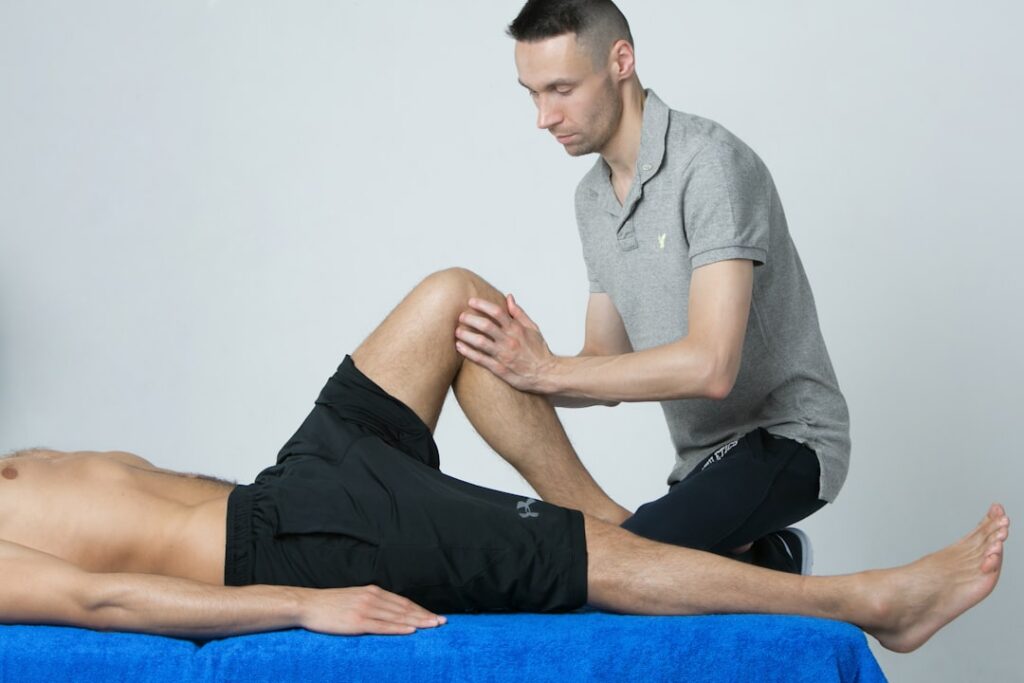
Athletes often push their limits, sometimes ignoring nagging pains that signal trouble ahead. Take a competitive runner who starts feeling persistent knee discomfort but chalks it up to overexertion. Without proper assessment, continuing to train can worsen the injury, turning what might have been a minor strain into something that sidelines them for months. Early professional intervention, including a detailed evaluation of movement and muscle imbalances, can make a big difference. Sports physiotherapy uses targeted techniques like manual therapy and dry needling to relieve pain and restore function, while also creating exercise programs that strengthen weak points to prevent future injuries. Weekend athletes, like those who enjoy football on their days off, face similar risks. Recurring ankle sprains are common when players return too soon without adequate rehab. A sports physio provides more than just treatment; they guide patients through stability and strength exercises specific to the ankle’s needs. This reduces the chance of getting hurt again and helps maintain confidence during play. Many athletes underestimate the value of such advice until they’ve been caught in a cycle of repeated injuries. Starting sports physiotherapy usually begins with a thorough assessment. The physiotherapist looks closely at how you move, checks for old injuries that might still cause issues, and evaluates your overall fitness. This information shapes a rehab plan tailored to your specific situation and sport. For example, someone recovering from ACL surgery will need a different approach than a player dealing with chronic shoulder pain from throwing. The customized plan ensures every session targets the right muscles and movements. Rehab isn’t just about exercises. Pre-operative education can prepare athletes mentally and physically before surgery, setting realistic expectations for recovery. Post-operative care often involves gradual strength training combined with hands-on therapy to regain full use of the injured area. Exercise physiology principles help craft these fitness plans so they fit each person’s body and goals, avoiding the common pitfall of pushing too hard too soon. Remedial massage therapy often complements these efforts by easing muscle tightness and improving circulation. This helps speed recovery and keeps athletes feeling loose throughout their training cycles. Including strength and conditioning work builds resilience, reducing the risk of new injuries by addressing weaknesses that might otherwise go unnoticed. Staying updated with new treatment methods is wise for anyone serious about sports recovery. Physiotherapists familiar with the demands of different sports can adjust rehab plans as needed, based on feedback and progress. Communication is key; regular updates allow your therapist to tweak exercises or manual techniques to suit how your body responds. Ignoring this feedback loop can slow recovery or cause setbacks. If you’re looking for assistance after injury or want to improve your performance safely, consider consulting professionals who offer sports physio sydney services. Their experience with local athletes means they understand the common issues faced in various sports and can provide practical advice. Recovery also involves everyday habits outside the clinic. Keeping a simple injury diary helps track pain levels and triggers, preventing miscommunication during sessions. Wearing the right footwear during training can reduce strain on healing tissues. Small details like these often make a notable difference in how quickly and fully one recovers. For broader support related to physical health and performance, you might explore options available through physical therapy programs in sydney. Combining multiple approaches under one roof can streamline your rehab journey and improve outcomes.
Navigating the Challenge of Sending Christmas Ecards

The holiday season often brings a rush to get greetings out on time. Choosing how to send those messages can be tricky. Traditional paper cards have a certain charm, but digital Christmas ecards are becoming more popular because they’re faster and sometimes more creative. Still, not everyone knows how to make these electronic greetings feel genuine or personal. A frequent misstep is picking a generic ecard that doesn’t suit the person receiving it. People often grab the first design they see online without thinking about how it fits their relationship with the recipient. For example, a playful card might work for a close friend but could seem out of place if sent to a boss or colleague. Personalizing the card by matching it to the recipient’s tastes or interests makes the message more meaningful. Many users also miss out on adding their own touch beyond just sending the card itself. Features like writing a heartfelt note or including a photo that means something to both sender and receiver can transform a simple ecard into something memorable. Businesses have room to get creative here too. Sending custom ecards that highlight company achievements or team spirit during the holidays can build goodwill and strengthen client relationships. Technical details matter as well, yet often go overlooked. File size and format can cause issues if the card won’t display properly on certain devices. Some platforms offer animated ecards that catch attention, but if the file is too large or incompatible, it might not load right, leading to disappointment. Checking these details beforehand saves hassle later. Timing also counts. Sending holiday wishes too early risks them being forgotten by the time Christmas arrives. On the other hand, last-minute messages can seem rushed or insincere. Scheduling ecards for delivery at thoughtful moments ensures recipients feel genuinely appreciated. Many sites offer tools to automate this, freeing up time to focus on message quality. For businesses aiming to make a stronger impact, pairing ecards with physical gifts like personalized boxes can leave a lasting impression. Thoughtfully curated packages show appreciation beyond words alone. Including handwritten notes inside these boxes adds a layer of sincerity that digital greetings can’t match. If you’re looking for customizable options this year, browsing christmas ecards is a good start. Selecting designs that reflect your voice and the recipient’s personality will make your greetings stand out. It’s worth taking the time to explore what’s available rather than sending something generic. Pay attention to details like previewing how your ecard looks on different devices before hitting send. Avoid using images or animations that might not function everywhere. Also, keep messages concise but heartfelt; long texts often lose impact on small screens. A quick double-check of spelling and grammar can prevent awkward mistakes. For tips on enhancing your holiday communication strategy beyond cards, check out holiday gift planning resources. Combining thoughtful digital messages with tangible tokens of appreciation can deepen connections during the festive season and make your outreach truly memorable.
Dietitian Southbank: Improve Your Nutrition

Training for endurance events demands more than just putting in the miles; it requires fueling your body properly. If you’re feeling drained during runs or your muscles take too long to bounce back, your diet might be the weak link. A dietitian in South Melbourne can assess your current eating habits and pinpoint nutritional gaps that sap your energy and delay recovery. They’ll offer tailored guidance to help you hit your training targets while boosting overall health. A dietitian’s evaluation goes beyond calories. They consider how age, exercise intensity, and medical conditions influence what you need. For example, if you manage blood sugar levels or have a food sensitivity like gluten intolerance, they can design meal plans that meet those constraints without sacrificing performance. Their advice is based on the latest scientific evidence, avoiding fads or unproven supplements. Small business owners often push through long workdays with little rest, which drains focus and stamina. Consulting a dietitian can reveal how to adjust your meals for sustained mental sharpness and steady energy. Including slow-digesting carbohydrates such as oats or sweet potatoes, along with healthy fats from nuts and avocados, helps prevent energy crashes. Hydration strategies and timing of meals are also key areas they’ll address to keep you alert. Understanding macronutrient balance, the right mix of carbs, proteins, and fats, is fundamental. A dietitian will tailor these ratios to your daily routine and goals, whether that’s building muscle, losing weight, or maintaining energy. For example, increasing protein intake around workouts supports muscle repair, while adequate fats are necessary for hormone function. They often review food diaries or logs to spot patterns that might interfere with progress. Choosing a dietitian in South Melbourne means checking their credentials and expertise. Some focus on sports nutrition, others on managing chronic illnesses or weight control. Find someone who listens to your specific challenges and adapts advice accordingly. It’s common for clients to misunderstand portion sizes or misread nutrition labels, so a professional will teach practical skills to avoid these pitfalls. Beyond individual visits, many dietitians run workshops covering meal prep techniques, how to decode food packaging claims, and ways to spot marketing tricks. These sessions provide hands-on experience that builds confidence in making better choices daily. Meeting others facing similar issues also creates a support network that encourages sticking to healthier habits long term. A dietitian’s role isn’t just handing you a meal plan and sending you on your way. They empower you with knowledge about serving sizes, ingredient selection, and timing meals around activity. For instance, learning to interpret nutrition facts panels can help you avoid hidden sugars or excessive sodium. They focus on sustainable changes, small tweaks that add up to lasting improvements instead of quick fixes. Whether your goal is excelling in a triathlon or simply eating smarter day-to-day, working with a dietitian southbank offers personalized advice grounded in real-world experience. Starting with a detailed assessment ensures recommendations fit your lifestyle and preferences. Keep in mind that good nutrition impacts not just physical output but mental clarity as well. If you want more information on how to develop a balanced approach to food and exercise, consider visiting nutrition guidance in melbourne. Accessing resources beyond one-on-one consultations can deepen understanding and help maintain motivation over time.
Understanding Social Anxiety for Better Connections

Walking into a busy room can feel like a storm for women struggling with social anxiety. The heart pounds, hands get clammy, and every thought seems to spin out of control. Many avoid parties or networking events simply to escape that overwhelming fear of being judged or not belonging. This fear can shut down chances to build friendships or advance careers. Social anxiety doesn’t just affect how someone feels in the moment; it can shape their whole daily life. Therapy offers ways to tackle these hurdles by digging into why the anxiety exists and learning to change the patterns that fuel it. Therapy for social anxiety typically means digging beneath surface feelings. Cognitive Behavioral Therapy (CBT) stands out because it trains people to spot and question the negative ideas they hold about themselves. For example, a woman might believe everyone is silently criticizing her at a gathering. CBT would help her test that belief and replace it with something more realistic, easing the grip of fear. Therapists often ask clients to keep thought records or practice role-playing conversations, which makes confronting anxiety less abstract and more manageable. Not every therapy style fits everyone’s needs. Mindfulness-based therapies are another useful tool, especially when anxiety spikes in moments like public speaking or job interviews. These approaches focus on grounding someone in the present by paying attention to breath or physical sensations. It’s a skill that takes practice but can reduce panic when nerves start to escalate. Some women find carrying simple reminders, like a rubber band on the wrist to snap gently, helps bring their mind back from spiraling. Deciding between therapy and medication depends on personal circumstances. Medication may help regulate brain chemistry and provide relief faster, but it doesn’t teach new ways to cope or change thought habits. Therapy builds those skills over time but requires commitment and patience. Talking openly with a mental health professional about symptoms, lifestyle, and preferences is a smart step before starting treatment. They can also monitor progress and make adjustments as needed. Taking the initial step toward help can feel intimidating. Finding a therapist who truly understands social anxiety in women can make all the difference. A supportive therapist creates a space where clients can explore feelings without fear of judgment or rushed solutions. For tailored advice and guidance, consider connecting with specialists focused on social anxiety in women. They know the common pitfalls and practical strategies that work. Support groups add another layer of benefit. Being around others who face similar struggles cuts through isolation and often leads to shared tips that only come from lived experience. Women in these groups might swap stories about how small daily habits help them manage anxiety, like preparing conversation starters before events or scheduling regular downtime afterward. This peer connection builds resilience and normalizes the challenge. Choosing the right therapist means doing homework. Check qualifications carefully and look for someone who listens well rather than pushes a one-size-fits-all approach. It’s normal to try a few sessions before finding the right match. A therapist who fits well makes opening up easier, which matters when discussing sensitive issues like social anxiety. Online reviews or referrals from trusted sources can be helpful starting points. Healing from social anxiety isn’t a straight path. Some days will be easier than others. Whether through one-on-one counseling or group settings, there are many options for support and growth. If feelings become overwhelming, don’t hesitate to get help tailored to your needs. Taking action is the first move toward feeling more confident and connected in social situations.
How Can an Optometrist Help TBI?

Consider a young adult recovering from a traumatic brain injury (TBI) caused by a sports accident. Beyond physical symptoms, visual problems often arise and can disrupt daily functioning. In Brisbane, optometrists familiar with TBI cases offer detailed eye exams designed to pinpoint vision issues that might be overlooked in general assessments. Common complaints include blurred vision, trouble judging distances, and sensitivity to light. These specialists use tailored tests to evaluate eye coordination and how the brain processes what the eyes see, helping patients regain control over their visual world. Vision assessments for TBI patients require more than just reading letters on a chart. Optometrists measure visual acuity, but also track eye movements to detect problems like poor convergence or difficulty shifting focus quickly. They might test how well each eye works independently and together, since misalignment can cause double vision or headaches. These exams often incorporate computerized tools or paper-based exercises to uncover subtle deficits. A typical appointment includes reviewing the patient’s history, observing their eye behavior during tasks, and sometimes repeating tests over time to note any changes. For those with significant vision loss after TBI, low vision assessments are indispensable. The goal is to maximise remaining sight by recommending aids and techniques that suit daily activities. This could mean training someone to use a magnifier effectively or adjusting lighting at home to reduce glare. Optometrists often suggest special lenses that filter certain wavelengths of light if photophobia is an issue. Simple advice, like organizing frequently used items within easy reach, also helps reduce frustration. Patients usually find that combining technology with practical habits improves their independence more than either alone. Bioptic telescopes serve as another option for some TBI patients struggling with distance vision. These small devices attach to glasses and allow users to switch between regular sight and telescopic views for spotting details far away. Optometrists assess whether a patient’s visual acuity and cognitive ability make them good candidates for bioptics, since training and practice are necessary to use them safely. For example, they might evaluate driving potential or reading signs at a distance before prescribing one. The choice depends on lifestyle needs, such as returning to work or engaging in hobbies requiring clearer vision at range. Cerebral Visual Impairment (CVI) is a condition where the brain has trouble interpreting images, despite the eyes functioning correctly. It’s common after TBIs involving brain areas responsible for vision processing. Patients with CVI may struggle recognizing faces or judging spatial relationships, leading to disorientation or social withdrawal. Optometrists trained in CVI conduct assessments that go beyond eye health, focusing on neurological visual function. They work with therapists to develop coping strategies like simplifying visual environments or using tactile cues, which can make a real difference in everyday life. Routine follow-ups are part of managing TBI-related vision problems. An initial exam typically happens within weeks of injury to establish a baseline. Afterward, appointments occur every few months depending on recovery speed and symptom changes. Keeping a detailed record of symptoms and test results is standard practice to avoid repeating unnecessary tests or missing subtle shifts. Patients are encouraged to report new difficulties promptly since early intervention can prevent secondary issues like falls or reading fatigue. If you or someone close has a traumatic brain injury, consulting a traumatic brain injury optometrist Brisbane can make a tangible difference. These practitioners don’t just check eyesight; they collaborate with neurologists, occupational therapists, and rehabilitation teams to address vision as part of overall healing. Accessing specialised care in Brisbane ensures that visual impairments related to TBI receive focused attention. Connecting with an optometrist experienced in brain injury means tailored evaluations and realistic recommendations that fit each patient’s unique challenges and goals. For further details on services, visit vision care after brain injury.
Navigating Beauty Salon Rentals

Walking into a rental salon space that’s shabby and poorly kept can drain your enthusiasm fast. Outdated gear, cluttered stations, and a cold vibe aren’t just unpleasant, they can hurt your business. Many beauty professionals jump into shared spaces without a thorough check of the overall condition or the amenities on offer. This oversight often leads to headaches that could have been avoided with a careful walkthrough and questions about maintenance routines. The layout matters more than most realize. A cramped area with poorly placed stations slows you down during peak hours and frustrates clients waiting for their turn. Privacy is another factor often ignored. If your treatment areas don’t offer a sense of seclusion, clients may feel uncomfortable sharing personal details or relaxing fully. Look for spaces where the design supports smooth movement and client comfort, think clear pathways, separate zones for different services, and soundproofing where possible. Before signing anything, read the rental agreement closely. Hidden charges can pop up unexpectedly, cleaning fees, utility surcharges, or penalties for exceeding certain hours. Restrictions on what services you can offer are common but often overlooked until a conflict arises. Ask about policies regarding subletting your station or bringing in outside clients. Clarify who handles repairs and how frequently the space is cleaned. A detailed contract saves you from surprises down the road. Community vibes in the salon are more important than many expect. A supportive atmosphere encourages referrals and shared learning, while a tense, competitive environment can kill motivation. Spend some time chatting with current renters to get a feel for the culture. Participate in group meetings or social events if offered. Being part of a friendly network can open doors to collaboration and help you stay inspired when work gets tough. Check out the equipment provided with a sharp eye. Faulty tools or outdated machines slow your workflow and can damage your reputation. Take note of when devices were last serviced and whether there’s a schedule for upgrades. It’s common to find salons where the owner leaves maintenance responsibilities to renters, leading to uneven equipment quality. Bringing your own essential tools might be necessary, but know what’s included before committing. Marketing is often left to chance in rental setups, relying mostly on word-of-mouth. That’s a missed opportunity. Build your presence online with regular updates on social media and keep your website current with your services and pricing. High-quality photos taken right in your salon space can make a big difference when attracting new clients. Also, check if the salon allows signage or advertising within the premises to boost local visibility. Choosing a rental spot means weighing many practical details: space layout, privacy, equipment condition, contract terms, and the community atmosphere. Don’t rush this decision; spend time visiting multiple locations at different times of day to see how busy they get and how management handles daily operations. Ask about cleaning schedules, parking availability, and security measures. Take notes during visits to compare later. A smart move is to request a trial period if possible or speak directly with current renters about their experiences with management and neighbors. Small details like how easily you can access supplies or whether there’s a break room for staff can affect your daily routine more than expected. Some practitioners keep a checklist of must-haves to avoid overlooking critical factors. If you want a space that supports your growth alongside other beauty pros, look for places that emphasize cooperation and clear communication. A well-maintained beauty salon rental space can be more than just a workplace, it becomes part of your professional identity. Likewise, consider how location impacts foot traffic and accessibility before making your choice. For those ready to upgrade their setup, finding the right environment makes all the difference in building a loyal client base and improving daily workflow.. salon workspace options near me
Calm and Practical GPS Dog Collars

Picture this: you’re out for a walk and suddenly your dog slips free from their collar and bolts. It happens more often than owners admit. A GPS collar can save you a frantic search by showing your dog’s location in real time. These collars aren’t just about tracking; they’re built to keep your dog safe and make sure you’re never left guessing where they’ve gone. Most GPS collars come with adjustable straps to fit dogs from tiny Chihuahuas to hefty Labradors. Getting the right fit matters, not just for comfort but to avoid accidental escapes. Some collars include safety elastic bands that stretch if snagged on branches or fences, reducing the risk of choking or injury. It’s a small feature that makes a big difference, especially for dogs who love to explore rough terrain. The tech inside these collars usually relies on satellite signals, which feed location data to an app on your phone. You can check your dog’s whereabouts instantly, whether they’re hiding behind a bush or wandering near a busy street. Some collars also let you set up geofences, virtual boundaries that trigger alerts if your dog crosses them. That way, you’ll know right away if your pet leaves the yard or a park where you expect them to stay. Practicality goes beyond tracking. Many collars offer holders designed specifically for popular devices like AirTags. This means you can swap trackers between collars without fumbling with clips or straps, useful when you have multiple pets or need to change collars quickly before a trip. It’s a small convenience that pet owners often overlook until it becomes a hassle. Battery life and durability are real concerns. Outdoor use demands collars that can handle rain, mud, and rough play without losing signal or power halfway through the day. Most modern GPS collars have batteries that last several days on a single charge, but checking specs and reading user reviews is wise since performance varies widely. Also, collars made from strong materials like nylon or reinforced leather tend to last longer under active use. Customer feedback is invaluable when choosing the right collar. Stories abound of dogs found after hours of panic, whether lost on hiking trails or scared off by fireworks. Those accounts often mention how a reliable dog collar with gps tracker made all the difference. Checking these reviews can also reveal quirks like app glitches or setup nuances you might not anticipate. Getting started with a GPS collar might feel confusing initially. Common hurdles include syncing the tracker with your phone or understanding the app’s interface. Many brands provide detailed manuals and responsive customer support to smooth out these bumps. A good habit is to test the collar in a secure area before relying on it fully, so you get comfortable interpreting location updates and alerts. Finally, don’t overlook the return policy and shipping details before buying online. If the collar doesn’t fit right or fails to meet expectations, being able to return it easily takes away some risk from the purchase. Reputable sellers list these policies clearly, allowing you to feel confident about trying different models until you find one that suits your dog’s behavior and your tracking needs.pet safety gear advice
Transform NDIS Paediatric Physiotherapy
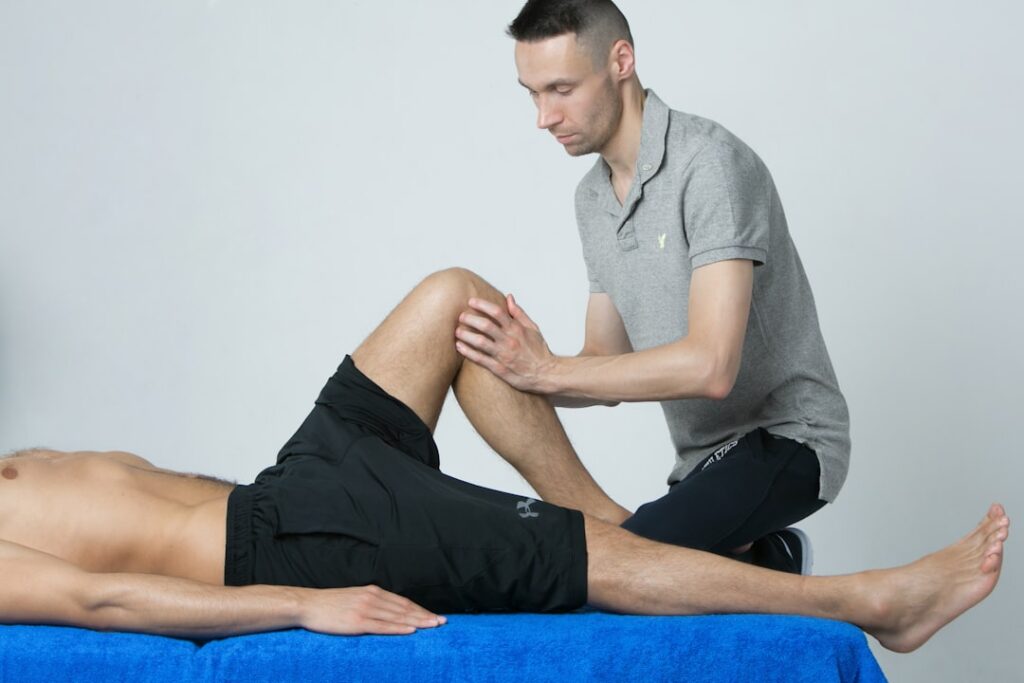
In a busy therapy clinic, a child with cerebral palsy sat quietly, avoiding playtime with other kids. The physiotherapist noticed the child’s physical struggles were compounded by a lack of engagement. The traditional approach, focused on repetitive strength and coordination exercises, was dull and uninspiring. Instead of rigid routines, therapy that incorporates play can make a big difference. For example, using games tied to the child’s interests can boost participation and make sessions feel less like work. The first plan for this child was a generic set of exercises aimed at muscle improvement. But these felt tedious, causing frustration and withdrawal. One common pitfall in paediatric physiotherapy is treating all children the same. Every child has unique needs and motivations. Successful therapy adapts to those differences. The physiotherapist switched tactics, adding activities like interactive ball games and obstacle courses that matched the child’s preferences. This helped maintain focus and made progress more visible. Another case involved a child recovering from surgery who struggled with balance and walking. The team concentrated on physical strengthening without addressing the child’s fear of falling. Anxiety slowed recovery because the emotional side was ignored. Gradually introducing challenging movements in a safe, encouraging environment helps build confidence along with strength. Simple steps like using supportive harnesses during balance drills or practicing in familiar settings can ease this transition. Understanding neuroplasticity is valuable here. It’s the brain’s capacity to rewire itself after injury or during learning. Therapists use this by designing exercises that mimic everyday tasks and promote varied movement patterns. For instance, moving from crawling to walking involves multiple brain pathways adapting simultaneously. Recognising this encourages therapists to avoid repetitive drills that don’t engage the brain fully. Instead, they focus on dynamic activities that help children develop new motor skills more naturally. Technology also changes the game. Tools like gait trainers provide real-time feedback, helping kids adjust their posture and movements immediately. Interactive balance boards turn therapy into a fun challenge, increasing motivation. These devices allow therapists to fine-tune exercises based on what they see in the moment, rather than relying solely on subjective reports or observation. They also give parents clear data to track progress between sessions. Working closely with families is vital. Parents often feel lost when trying to manage appointments, therapies, and paperwork under the NDIS framework. Clear communication about goals and daily progress prevents misunderstandings and keeps everyone aligned. Therapists who encourage parents to practice certain exercises at home help reinforce gains from clinic visits. A common mistake is underestimating how much everyday habits influence therapy outcomes. A holistic approach combining physical exercises, emotional support, family involvement, and technology tends to yield better results. Therapists should tailor plans based on each child’s interests and challenges while applying proven methods that make sense for their development stage. For those looking for practical advice and resources on paediatric physiotherapy under the NDIS, ndis paediatric physiotherapy offers useful guidance. Flexibility in treatment plans is key. When therapy feels like play rather than a chore, children engage more fully and improve faster. For further reading on effective paediatric rehabilitation practices, paediatric therapy techniques explained provides detailed information.
Explore Australian Talent Agencies Today

If you’re organizing an event and need performers who fit your vision, connecting with talent agencies is a practical first step. Australian agencies offer access to a broad spectrum of artists, including actors, models, influencers, and specialty performers. These agencies act as a bridge between clients and talent, smoothing the process of casting and ensuring that the right people get matched with the right projects. Beyond just providing names, they often manage contracts, schedules, and communication to avoid common pitfalls like double bookings or unclear availability. Among the agencies in Australia, JRM Group stands out for its wide-ranging roster and tailored approach. Their talent pool includes drag performers, hair models, and individuals representing diverse age groups and body types. This variety allows clients to find artists who genuinely reflect their brand’s character and audience expectations. In practice, this means if your event emphasizes inclusivity or targets niche markets, you have options rather than settling for a standard lineup. Casting isn’t simply about picking faces; it’s a multi-step process that starts with a clear brief detailing the project’s needs. Agencies like JRM Group take care to break down those requirements before organizing auditions and callbacks. They often conduct preliminary screenings to weed out unsuitable candidates early, saving clients’ time. A practical detail here is that they provide clients with detailed profiles, including showreels and previous work examples, allowing for more informed decisions without endless in-person meetings. Influencer marketing has become an effective way for brands to reach audiences authentically. Unlike traditional advertising, influencers bring an engaged following that trusts their opinions. JRM Group leverages this by connecting brands with influencers whose style and audience align closely with the product or service offered. The agency manages campaign timelines and content approvals to ensure messaging stays on target without overburdening either party. It’s common for brands to see better engagement when working through agencies that understand both creative and commercial sides. JRM Group’s philosophy extends beyond bookings; they focus on career development. This means regular coaching sessions, feedback loops after gigs, and strategic planning to build long-term careers rather than one-off jobs. For instance, a young actor might receive voice training or advice on self-promotion tailored to their goals. This approach reduces the frequent issue of talents feeling unsupported once they land a role and helps maintain industry standards. Flexibility is another advantage when working with an agency experienced in various event scales. Whether it’s a small community gathering or a large festival requiring hundreds of performers, JRM Group adapts accordingly. They keep detailed records of past projects to streamline logistics for recurring clients and often assign dedicated coordinators to handle last-minute changes or special requests. This reduces the risk of miscommunication that can derail event plans. The entertainment sector constantly shifts with new trends and platforms emerging regularly. Partnering with an agency that stays current can make a significant difference in project outcomes. JRM Group invests time in understanding market changes, which helps them advise clients on casting choices or promotional strategies that fit evolving tastes. They also maintain professional relationships across Australia and Asia, broadening opportunities for cross-border collaborations. If you want to see how australian talent agencies can enhance your projects through thoughtful artist selection and management, it’s worth exploring their services firsthand. These agencies can simplify the hiring process while raising the quality of your event’s performances. Choosing to work with JRM Group opens access to a network built on respect for talent and client needs alike. Their commitment to artist growth alongside client satisfaction shapes the way representation is handled today. Visit casting support for creative projects to find out more about what they offer.