
Crafting Inspiring Hospitality Spaces

Walk into a well-designed restaurant and you’ll notice right away how the space flows. The layout guides guests naturally from entrance to table. Lighting sets the mood without overpowering the food. Chairs and tables are chosen so people want to stay a while. That kind of hospitality design turns a basic venue into a place that feels alive, making customers want to return. It’s not just about looks; smart design can speed up service and reduce staff stress, which business owners often overlook until problems arise. Before starting any project, it’s important to pinpoint what the space really needs. A busy coffee shop has to handle constant foot traffic and quick social stops, so open areas and bar seating work well. On the other hand, a high-end restaurant might focus on booths or small tables that give diners privacy. Designers often sketch multiple layouts and run through daily operations in their heads to avoid bottlenecks, an overlooked step that saves headaches later. Setting a creative tone is more than picking colors and furniture. It means choosing a theme that matches who the customers are and what they expect. For example, a beach bar might use weathered wood and airy fabrics to create a chill vibe, while a luxury hotel lobby would call for polished stone and subtle lighting to feel exclusive. This emotional connection can influence whether guests return or move on. As plans move from drawings to reality, keeping track of tradespeople is key. Coordinating carpenters, electricians, and plumbers takes more than a schedule, it demands constant communication. Regular site visits help spot issues before they grow into costly delays. A practical habit is to keep detailed daily logs of progress and materials used; these records make it easier to solve disputes or track down problems later. Maximizing space without clutter is an art. For small boutique hotels, multifunctional furniture like fold-out desks or storage ottomans helps guests feel comfortable without crowding rooms. Designers think about sightlines and movement patterns, so the area doesn’t feel cramped even if square footage is tight. Furniture placement often goes through several rounds of adjustment on-site because what works on paper sometimes feels different in reality. Lease agreements can make or break a hospitality venture before any design work begins. Owners should research current market rates and local zoning laws to negotiate terms that allow flexibility for future changes. One practical tip is to clarify who is responsible for maintenance upfront, misunderstandings here often cause friction later. Choosing a location with steady foot traffic and demographics aligned with your concept will influence long-term success more than any decoration. Design doesn’t stop once construction wraps up. Keeping interiors fresh requires regular updates, whether it’s swapping out cushions for new seasonal colors or rearranging lounges to reflect shifting guest preferences. A common practice is scheduling quarterly reviews where staff share feedback on space usability and guest flow; this helps catch problems early and keeps the environment inviting. For those curious about how thoughtful design impacts hospitality outcomes, professional input can clarify priorities and avoid costly mistakes. Engaging experts in hospitality design and construct offers a chance to explore tailored strategies that fit specific business goals. Focusing on these practical elements throughout the process, from initial site evaluation through final styling, helps create spaces that resonate with customers and support operational needs. To discuss options for turning your venue into a memorable destination, hospitality interior advice is available from seasoned practitioners who understand the details that matter.
Broadcast PR Agency for Effective Insight

Imagine you’re leading a marketing team at a mid-sized tech company, preparing to launch a new product. Everyone has ideas about the target audience and messaging, but no one agrees on the data supporting those choices. This gap between assumptions and facts can stall progress. A broadcast PR agency steps in here, using thorough market research techniques to get everyone aligned. They don’t just collect data; they turn it into shared knowledge that reduces guesswork and sharpens your strategy. Relying on outdated reports or gut feelings often leads to costly missteps. A skilled agency runs surveys and organizes focus groups to capture current feedback from real potential users. For example, if your product targets young professionals, research might show which features matter most or acceptable price points. This direct input helps you make decisions based on actual customer preferences rather than speculation. Presenting research findings clearly is just as important as gathering them. A broadcast PR agency knows how to craft visuals that highlight what matters. Instead of drowning stakeholders in raw numbers, they create infographics or charts that reveal trends over time. For instance, showing how customer interest evolves month by month makes it easier for teams to spot patterns and adjust messaging accordingly without needing a data analyst present. Getting your message right means understanding different audience segments and where they pay attention. Broadcast PR agencies specialize in tailoring communication strategies by analyzing public perception and media habits. If you’re planning a product launch event, lessons learned from past campaigns can guide which social platforms or traditional media channels will deliver the best engagement. This targeted approach helps cut through the noise, ensuring your content reaches those who matter most. Market conditions shift frequently, whether due to economic changes or evolving consumer tastes. Agencies keep an eye on these trends by providing regular updates so your marketing efforts stay relevant. For example, if inflation starts affecting customer spending, timely insights let you tweak your messaging or offers before sales drop significantly. This kind of ongoing monitoring helps maintain trust and keeps your brand connected with its audience. Research often uncovers gaps you might miss otherwise. A thorough audit might reveal that while your product excels in ease of use, it lacks features competitors offer that customers expect. Addressing these gaps strengthens your position and shows customers you’re listening. Practical steps include prioritizing feature upgrades based on direct feedback and documenting these decisions to avoid repeating past mistakes during development cycles. White papers are another tool agencies use to communicate complex ideas simply and convincingly. When backed by solid research, these documents educate your market and establish credibility. They can support lead generation efforts or serve as reference material during sales meetings. Writing white papers involves breaking down technical details into clear language and combining them with relevant data points to keep readers engaged. Bringing these elements together means making insight the backbone of product development and marketing strategy. A broadcast PR agency brings experience in collecting real-time data, visualizing key findings, monitoring market shifts, and creating targeted communication plans. They help avoid internal miscommunication by keeping everyone on the same page through shared research outputs like reports and dashboards. For tailored assistance, visit broadcast pr agency. Using data to back decisions cuts down risks caused by assumptions or fragmented information. When departments rely on the same solid insights about customer needs and market dynamics, collaboration improves and execution becomes more straightforward. Regular check-ins on research findings prevent teams from drifting off course, saving time and resources in the long run. More details are available at market research services.
Choosing a Comfortable Kids Couch

A kids couch can change the dynamic of any playroom. Instead of just scattered toys and floor cushions, it offers a dedicated spot where children can relax, read, or dive into imaginative games. These couches aren’t just smaller versions of adult furniture; they often come with soft fabrics and playful looks that appeal to kids. Parents often find that a good kids couch quickly becomes a favorite hangout, bringing siblings and friends together in one cozy corner. Size matters a lot when picking out a kids couch. It should match the child’s height and age, making it easy for them to climb on and off without help or risk. Low-to-the-floor designs work well for toddlers, giving them independence while keeping safety in mind. Some couches grow with your child, modular pieces can be rearranged, and removable covers make cleanup less of a chore. These practical features turn a simple couch into a long-term investment. Safety is non-negotiable. Kids often get close to their furniture, sometimes chewing or touching with sticky hands. Choosing couches made from non-toxic materials and organic fabrics reduces health risks. Look for finishes that don’t include harmful chemicals. Checking labels and asking retailers about the materials can save you trouble later. It’s worth spending time on this step since a safe environment supports healthy development. Color and design are more than just decoration. Bright hues and fun patterns catch children’s eyes and make the room feel inviting. For example, a beige yin yang play cube adds a touch of calm contrast, while a blooms-patterned bean bag brings energy to the space. These choices can encourage kids to spend more time in their play area, fueling creativity and social interaction. Functionality goes beyond sitting comfort. Many parents appreciate couches that double as storage units. Built-in compartments are perfect for stashing books, toys, or art supplies, helping maintain order in busy households. Having this kind of furniture means fewer trips to pick up clutter, which can be a small but significant time saver during hectic days. Customization options have become more common, letting families tailor furniture to their home’s style and their child’s personality. Being able to select colors or arrange modular parts means your kids couch can fit seamlessly into any room. This flexibility also helps when children’s tastes change or when siblings share a space, allowing the furniture to adapt without needing replacement. Exploring different products reveals many creative ideas for playroom setups. Supportive pillows encourage good posture during reading or screen time, while play tents create private hideouts that kids cherish. You can find a wide range of options that suit various interests and home layouts. For more inspiration, check out the kids play couch collections. Investing in quality kids furniture affects daily life more than most realize. Comfortable seating invites longer periods of quiet reading or calm play, while safe materials reduce parental worry. A thoughtfully chosen couch also helps kids feel they have their own space within the home. For families wanting furniture that fits their lifestyle and supports their children’s wellbeing, some reliable ideas are available at childrens room furniture advice.
Play Couch: A Playroom Essential
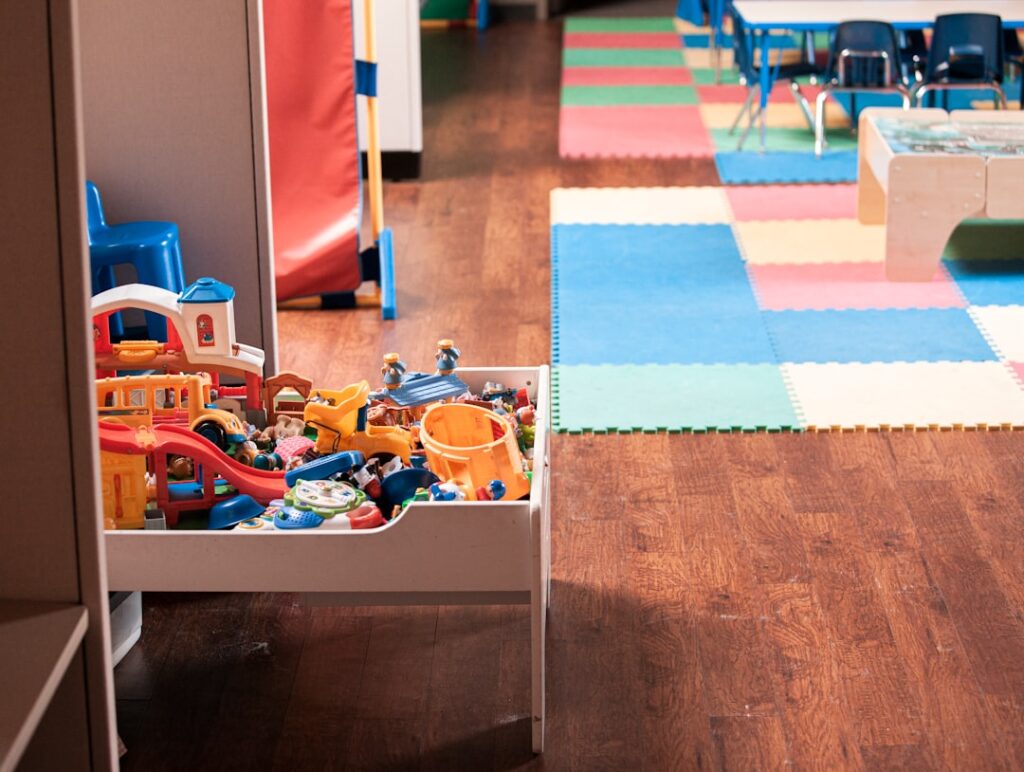
A playroom should be a space where kids feel free to explore and unwind. Among the usual toys and crafts, a play couch offers a spot that combines comfort with function in ways standard furniture can’t match. It’s soft enough to cushion tumbles but stylish enough to fit into a home’s design. Families often find their needs shift quickly as children grow, making a versatile piece like a play couch a smart long-term choice. For toddlers just getting steady on their feet, the cushioning of a play couch can prevent many bumps and bruises from falls. As kids get older, it becomes a quiet corner for reading or a stage for their imaginative acts. The right couch adapts to different uses without sacrificing safety. Choosing one made from non-toxic materials is important since young children tend to touch and mouth things frequently. Maintenance is a practical concern parents face daily. Removable, washable covers save hours of scrubbing after spills or art projects go sideways. Some designs even allow the couch to be rearranged into new shapes, giving children another way to engage with their environment and rearrange their space without adult help. Pairing a play couch with lightweight bean bag chairs adds flexibility. Bean bags are easy for kids to move, encouraging active play and creating informal seating clusters. They can be tossed around or stacked, turning the playroom into a dynamic zone that supports both activity and rest. Design options have broadened considerably. Whether you prefer clean lines or playful patterns, there’s something to fit every style. A beige yin yang play cube, for example, doubles as seating and storage while adding an artistic flair. These pieces invite kids to use them in unexpected ways and keep the room looking intentional rather than cluttered. When searching for the perfect piece, filtering by size, fabric, and colour helps narrow down the choices quickly. It’s common to underestimate how much space a larger piece takes up, so measuring your room beforehand avoids returns or cramped setups. Parents often overlook eco-friendly fabrics that reduce chemical exposure and support sustainability, which can be worth the extra effort to find. Investing in quality furniture that grows with your child means fewer replacements and less waste. A well-chosen play couch meets current needs and stays relevant as interests change. Creating a room filled with comfortable, trustworthy essentials encourages kids to interact socially and think creatively without constant supervision. If you want to dive deeper into specific products tailored for young families, check out this play couch collection that offers numerous options designed with safety and comfort in mind. Whether you are looking for support pillows or versatile mats, you’ll find plenty of choices that align with your vision for the ideal playroom. Putting together a space that sparks creativity doesn’t require endless shopping or guesswork. Focus on functional pieces like a sturdy play couch that will get daily use and last through years of childhood adventures. It’s these practical investments that become part of your family’s routine and memories over time. For ideas on creating a welcoming environment for your children, visit children’s room essentials.
Choosing a Smart Bridge for Network Management

As a network administrator juggling daily demands, you know the pressure of keeping things running without hiccups. Networks grow messy fast, different vendors, legacy devices, and cloud platforms all mixed in. A smart bridge can help by acting like a traffic cop for your data, directing it where it needs to go without forcing you to overhaul your setup. It works across old and new tech, so you don’t need to schedule downtime just to keep devices talking. That means fewer interruptions and less frantic troubleshooting during peak hours. Rolling out new security settings across hundreds of endpoints is often a headache. Smart bridges can handle this kind of change control automatically, pushing updates on schedule and catching mistakes before they spread. Central management like this cuts down on manual errors, a common cause of network outages, and keeps you audit-ready. Compliance checklists become less of a scramble when your changes are tracked and consistent. Monitoring is where smart bridges really earn their keep. They offer real-time performance data, so if bandwidth suddenly spikes or a device drops offline, you get an alert immediately. This early warning lets you jump on problems before users notice. In one shop I worked with, they spotted a misbehaving switch that was flooding the network with traffic thanks to these alerts, avoiding a full outage that could have taken hours to pinpoint. Interoperability is often overlooked but critical. Networks rarely run on equipment from just one manufacturer. A smart bridge should play nicely with gear from multiple vendors, preventing compatibility headaches when you add new hardware or software. This flexibility means you can upgrade piecemeal without locking yourself into a single ecosystem or rewriting your entire network config. When looking for a solution, consider integrated options that combine automation, monitoring, and compliance tools in one platform. Products like ThirdEye Suite or Net LineDancer Enterprise bundle these functions, cutting down on the number of separate tools your team needs to manage. This integration helps IT teams stay coordinated and reduces the back-and-forth between different systems during troubleshooting or audits. In practice, it’s helpful to keep a clear changelog document accessible. One common snag I’ve seen is teams forgetting what was changed and when, which complicates rollback if something goes wrong. A smart bridge often logs changes automatically, but pairing that with a human-friendly summary helps everyone stay on the same page during busy periods. Trial periods are worth pursuing before committing. Testing a smart bridge in your own environment reveals how it handles your specific mix of devices and traffic patterns. It also gives your team a chance to iron out workflows around automated change control and alert responses before relying on it fully. The investment in time upfront can save headaches later. smart bridge technology offers practical benefits that go beyond buzzwords. It shifts your network management from reacting to fires toward keeping things stable and predictable. If your team spends too much time chasing configuration errors or firefighting outages, these tools can free you up for higher-value work. Today’s network challenges require tools designed for the variety and speed of modern IT environments. By adopting technology built to integrate diverse equipment and automate routine tasks, your organization can improve efficiency and resilience. For detailed information about managing multi-vendor networks effectively, visit network device integration tips.
Choosing the Right Measuring Pitcher

Imagine a manufacturing kitchen where precise measurements are critical. An employee mixes chemicals for a cleaning agent but guesses the volume because the measuring tool is unreliable. The mix fails safety checks, causing wasted materials and extra cleanup. This kind of error happens more often than you’d think, especially when workers rely on generic containers or faded markings that are hard to read under fluorescent lights. It’s common for teams to double-check measurements on scraps of paper or call over supervisors, which slows down production and introduces room for miscommunication. Contrast this with a facility using specialized measuring pitchers designed specifically for chemical handling. These pitchers feature clear, bold markings that stay visible even after repeated washes and resist staining from strong substances. Their spill-proof spouts reduce drips that otherwise contaminate work surfaces or lead to inaccurate pours. Employees get consistent results by following the same measuring method every time, cutting down on rework and chemical waste. The pitchers’ handles are molded to fit gloved hands comfortably, which is essential during long shifts. The ACCUPOUR brand offers pitchers made from chemical-resistant materials, such as high-density polyethylene, ensuring they don’t degrade or crack after exposure to acids or solvents. These pitchers come in sizes ranging from a small 4-ounce cylinder for precise small-batch mixing to a large 128-ounce model ideal for bigger volumes. This range means workers don’t have to guess or transfer liquids multiple times, which can introduce errors and spills. It’s common practice in busy facilities to label each pitcher with its size and purpose, preventing mix-ups across different tasks. A practical tip is to keep a calibration log nearby where staff record any checks against standard volumes using a calibrated scale or volumetric flask. This habit catches discrepancies early and avoids compounding mistakes over time. Another is training employees on reading meniscus levels correctly and pouring steadily to prevent splashing inside containers. These steps might seem small but make a big difference in quality control. Custom branding on these pitchers is more than just aesthetics. Applying company logos and colors helps teams quickly identify the right tools for their station and promotes accountability. When workers feel their equipment is part of their workspace identity, they tend to handle it with more care and report damages promptly. It’s also helpful during audits; inspectors can see that the facility maintains consistent standards across all measuring devices. A case in point involves a large corporation that switched from generic jars to ACCUPOUR pitchers. They noticed a drop in measurement errors, which led to fewer rejected batches and less chemical waste. Their safety team reported smoother compliance with handling protocols because the pitchers reduced accidental overflows and spills. Operators appreciated the pitchers’ sturdy design that held up well despite daily drops and rough handling. For decision-makers wanting a firsthand look, requesting a complimentary sample is a practical step. Testing the pitcher in actual workflows reveals how well it fits into existing processes and whether its size options meet operational needs. Many facilities find that having a reliable liquid measurement cup streamlines their work and reduces the back-and-forth checks that slow down production lines. Select the right capacity based on batch size and frequency to avoid overfilling or repeated transfers that risk contamination. Keeping pitchers clean between uses with appropriate solvents or detergents extends their service life, maintaining accuracy. Using color-coded pitchers for different chemicals can prevent cross-contamination, a common cause of product failures and safety incidents. Reliable measuring tools are fundamental for operations where precision affects safety and cost control. Investing in well-designed pitchers with practical features supports better habits among staff and leads to smoother workflows. For more details on available models and options, visit chemical measurement supplies.
Baby Bean Bag for Cozy Playrooms
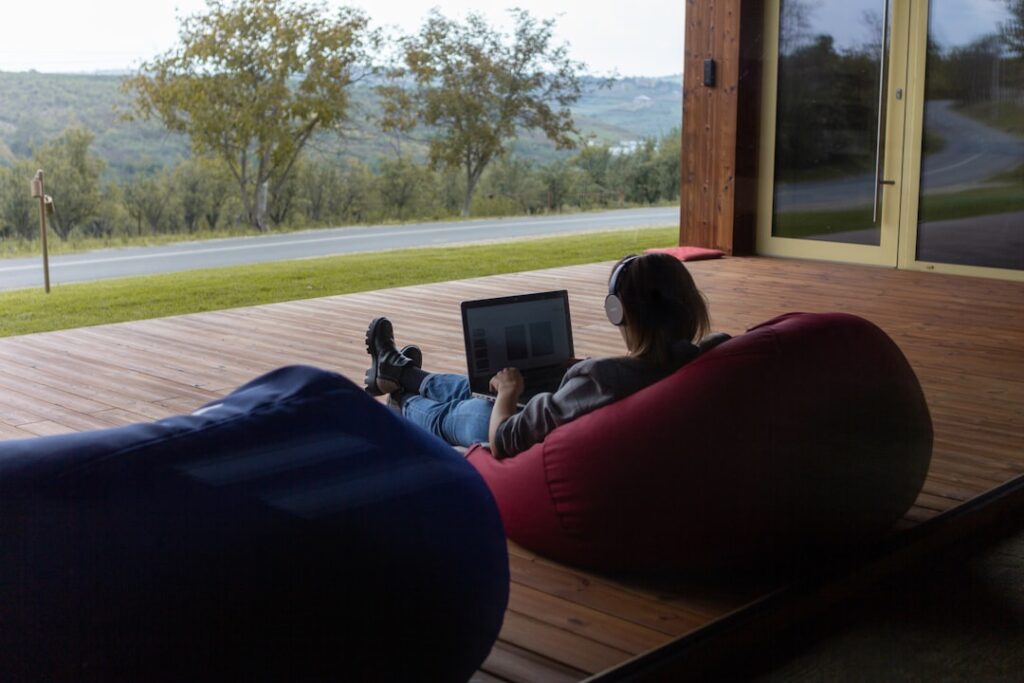
A playroom should be a comfortable and safe place where children can relax and enjoy themselves. A baby bean bag fits perfectly in that setting, offering a soft spot for sitting, lounging, or even resting. These bean bags are not just colorful additions but practical ones that can adapt as your child grows. You’ll want to check the materials carefully. Many come with non-toxic fabrics and fillings, which makes them safer for kids who might chew or spill. Organic cotton covers are worth considering since they’re gentle on sensitive skin and breathable. Removable, machine-washable covers are almost a must because cleaning up after spills is inevitable. Sizing is another factor to keep in mind. Parents often struggle to find seating that suits toddlers and older children alike. A baby bean bag offers a flexible solution; its shape and weight make it easy to move around. Whether you’re setting up for a playdate or just rearranging the room, these bags don’t take up much space and can be shifted from one area to another without hassle. On sunny days, they even work well outdoors, giving kids a cozy spot in the backyard. Design matters more than just looks. Many bean bags come in fun patterns and bright colors that mesh well with kid-friendly decor. Some designs feature animals or characters, which kids tend to love and engage with more enthusiastically. Picking one that matches your child’s interests can make the bean bag a favorite place to hang out. It’s not unusual for kids to form attachments to their furniture when it reflects their personality, which helps create a welcoming environment. Children’s needs change fast. What works as a comfy spot for toddlers to listen to stories can turn into a quiet corner for older kids to read or chill out. Investing in a quality bean bag means getting years of use. It’s worth checking for features that support posture too. You want something cushioned but firm enough to encourage good sitting habits. Some models have contoured shapes or extra back support, which can be helpful during longer play sessions. Practical details often get overlooked. For example, some parents find it useful to place a small waterproof liner beneath the cover to protect the filling from accidents or leaks. Others keep an extra cover on hand to swap out quickly when laundry piles up. It’s common to notice that bean bags lose shape over time if not fluffed regularly, so giving it a quick shake or pat helps keep it comfortable. A baby bean bag pairs well with other playroom essentials like small tents or support pillows. These items together can build a cohesive space that encourages imagination while keeping comfort front and center. If you pick pieces with similar colors or themes, the room feels put together rather than cluttered. Play cubes or mini couches add variety without overwhelming the area. If you’re ready to add a soft, adaptable seat to your child’s play area, check out the baby bean bag chairs designed with safety and comfort in mind. There are plenty of options that balance looks with function, evolving with your family’s needs over time. Choosing furniture made from organic materials and child-friendly designs helps create an inviting space where kids want to spend their time. Each detail contributes to making the playroom more than just a room , it becomes a spot where your child can grow, explore, and relax. For more ideas on setting up a child’s space with practical yet fun essentials, visit child-friendly playroom furniture.
Treating Facial Pigmentation for Clear Skin

Dark spots on the face catch your eye in the mirror and suddenly, confidence takes a hit. These marks, known as hyperpigmentation, can stem from sun exposure, acne scars, or hormone shifts. They linger, often long after the original skin issue has healed. For anyone tired of uneven skin tone, knowing what causes these patches and how to treat them is key. Excess melanin production triggers hyperpigmentation, resulting in those stubborn dark areas. Acne sufferers often notice marks where pimples once were, and people with darker skin tones may see more pronounced spots after skin irritation or injury. Pinpointing the root cause is vital before diving into treatments. Many people jump straight to over-the-counter products hoping for quick fixes. This approach can backfire if you don’t understand your skin type or the ingredients involved. Harsh chemicals might irritate sensitive skin, causing redness or peeling that makes pigmentation worse. Instead, look for creams containing gentle but effective components like kojic acid or vitamin C. These ingredients brighten skin gradually without triggering damage or sensitivity. Applying products consistently is often overlooked but crucial, skipping days slows progress and wastes time. Sun protection cannot be ignored. UV rays intensify dark spots and trigger new ones, so applying a broad-spectrum sunscreen daily is non-negotiable. Many underestimate this, thinking sunscreen is only for beach days. But even brief exposure during errands can worsen pigmentation. Reapplying every two hours when outdoors is a practical habit that prevents setbacks. Wearing hats and seeking shade further shields vulnerable skin. Supplements can support skin health from within, complementing topical treatments. Vitamins like C and E, zinc, and antioxidants help reduce inflammation and promote healing. However, these aren’t magic bullets; they work best alongside creams and sun protection. Consulting a dermatologist ensures supplements suit your specific needs and won’t interfere with other medications. Some prefer targeted kits designed to tackle dark spots and melasma through multiple products used together. For example, combining an exfoliant with a brightening serum accelerates skin cell turnover while improving texture and tone. But using too many active ingredients without guidance can cause irritation or sensitivity, so start slowly and monitor your skin’s response. Natural lightening agents offer effective alternatives with lower risk of irritation. Licorice extract and niacinamide are known for gently reducing pigmentation while evening out skin tone. These ingredients also help regulate melanin production to prevent new spots from forming. Regular use can gradually fade dark patches without harsh side effects. For more detailed advice on how to treat facial pigmentation effectively, visit best treatment for pigmentation on face. It’s helpful to understand all available options before committing to a routine. Also consider resources like skin care routines for pigmentation to build a consistent daily regimen tailored to your lifestyle. Consistency is what makes or breaks progress with pigmentation issues. Professionals can help adjust treatments as your skin changes over time. Patience and persistence pay off when aiming for clearer, more even skin.
Elegant Celebrations at Manly Castle

Imagine standing on Manly Castle’s terrace, the coastline stretching out before you as the sun sinks low. Your closest friends and family surround you, laughter mixing with the sounds of waves. This isn’t just a venue; it’s where your wedding comes alive. The views are stunning, yes, but the real draw is how the space adapts to your vision, turning careful plans into lived moments. Managing a wedding here means balancing atmosphere with practical details, ensuring everything flows without a hitch. For example, confirming arrival times with vendors well ahead can prevent last-minute chaos, leaving you free to enjoy the day. The dining experience at Manly Castle is crafted to impress. Menus focus on seasonal, local produce with dishes designed to tell a story through flavour and presentation. Guests can expect a mix of familiar tastes elevated by unexpected touches, such as a smoked seafood starter or a herb-infused dessert. Pairing drinks thoughtfully adds another layer , whether it’s a bespoke cocktail made to your taste or a selection of boutique wines chosen for the meal. Don’t underestimate the value of tasting sessions with your caterer; they help iron out preferences and avoid surprises on the big day. Planning weddings here often means working closely with coordinators who keep everything on track. They handle timelines, confirm deliveries, and communicate with suppliers so you don’t have to chase every detail. A common hiccup is misaligned schedules between vendors, which can stall everything; a good coordinator spots these early and adjusts accordingly. Make sure your planner shares contact lists and detailed agendas with all parties involved to reduce confusion. This way, you avoid scrambling when minor issues arise and keep focus on celebrating. Guest comfort is another important consideration. Manly Castle’s layout allows for dedicated spaces where people can relax between events , shaded lounges or quiet garden spots offer welcome respite from the bustle. Seating arrangements should consider proximity to amenities like restrooms and parking to avoid frustration. Plus, clear signage helps guests find their way without asking repeatedly. Small touches like personalized welcome notes or refreshments in waiting areas can make visitors feel valued and at ease throughout the day. The castle’s setting lends itself to intimate gatherings that feel personal rather than staged. The architecture and natural surroundings create a warm backdrop that reflects the couple’s style and story. When planning your décor, think about how colours, textures, and lighting complement the venue’s character rather than overpower it. Avoid overloading tables or walls; instead, choose accents that enhance the space without cluttering it. The goal is a cohesive vibe that feels authentic and unforced. One couple’s feedback sums up the experience neatly: “The food was outstanding, the staff amazing and the whole day was just seamless. We honestly couldn’t have imagined a better day.” Testimonials like this come from venues that prioritise genuine hospitality alongside beautiful settings. To explore more about how to create unforgettable moments at your own event, check out Weddings manly castle for inspiration. Behind every successful wedding lies attention to detail combined with personal touches that resonate with guests. Whether refining décor choices or arranging interactive experiences, making sure everything feels natural is key. For example, briefing your photographer about important family dynamics helps capture meaningful moments without awkward interruptions. When all these elements come together, memories last well beyond the day itself. For advice on planning sophisticated weddings in Sydney and beyond, visit wedding planning advice sydney.
Physiotherapy Website Design

In many physiotherapy clinics, patients often struggle to find clear information about services or book appointments online. This confusion usually stems from outdated or poorly designed websites that don’t serve the needs of users. A website that’s organized logically helps patients find what they’re looking for quickly, which often leads to more bookings. For example, a common frustration is not knowing which treatments a clinic offers or how to prepare for an initial assessment. Clear service pages and FAQs can prevent these issues and reduce the volume of repetitive phone calls to the clinic. Mobile responsiveness is not optional anymore. Most people access websites through their phones, and if your site doesn’t display properly, potential clients will leave fast. I’ve seen clinics lose bookings because their appointment form was difficult to complete on a small screen or text was too tiny to read without zooming in. Responsive design adapts your layout and font sizes for any device. Clinics should also test their site on multiple devices before going live, as sometimes forms or buttons don’t work as expected outside desktop browsers. Search engine optimization (SEO) remains a weak spot for many physiotherapy websites. Without basic SEO steps like using location-specific keywords, optimizing page titles, and compressing images for faster load times, your site might not appear in local search results. For instance, if a clinic in Brisbane doesn’t mention the city explicitly on key pages, local patients won’t find them easily on Google. Regularly checking Google Search Console for crawl errors or indexing issues also helps keep the website visible and up to date. Online booking integration is a practical feature that patients value highly. Allowing clients to schedule appointments directly reduces phone traffic and cuts down on scheduling mistakes. Clinics that use automated reminders via email or SMS report fewer no-shows, which improves daily workflow. In one clinic I worked with, staff saved over an hour each day by switching from phone-only bookings to an online system that synced with their calendar. This also gave patients the option to reschedule without calling. Testimonials should be front and center on your homepage. Hearing directly from other patients about positive outcomes builds trust quickly. It’s helpful to include specific details in testimonials, such as how a patient regained mobility after surgery or managed chronic pain effectively. Avoid vague praise; instead, real stories resonate better and reduce skepticism. Some clinics even feature short videos of patients sharing their experiences, which adds authenticity. Offering different website packages tailored for physiotherapy practices can suit various budgets and needs. Whether you want a simple one-page site outlining your services or a full platform that includes e-commerce to sell rehabilitation products, pick what matches your goals. Many clinics start small but plan for future expansion by choosing scalable options. One practical tip is to keep backend management straightforward so clinic staff can update content without technical help, avoiding delays and extra costs. For detailed guidance on creating an effective online presence, consider consulting professionals who focus on website design for physiotherapists. They understand the nuances of the field and can help align your site with patient expectations while driving appointment bookings. Finally, ensure your website reflects how your clinic operates day-to-day. For example, include downloadable intake forms so patients can complete paperwork before their visit, reducing wait times. Clear instructions about parking or public transport options prevent confusion upon arrival. Small details like these improve patient experience and demonstrate attention to care beyond treatments. If you want reliable technical support during setup or ongoing maintenance, check out custom web help for clinics. Having accessible help reduces downtime and lets you focus on patient care instead of website problems.