
Durability should top your list. Fibers like nylon and polypropylene are common in commercial settings because they resist wear and stains better than natural fibers. For example, nylon rugs handle spills and frequent cleaning without losing their look, making them popular in restaurants where quick cleanup is necessary. Polypropylene rugs also dry quickly and resist mildew, which suits spaces prone to moisture. Always check the rug’s backing as well; a sturdy backing reduces movement and protects floors beneath.
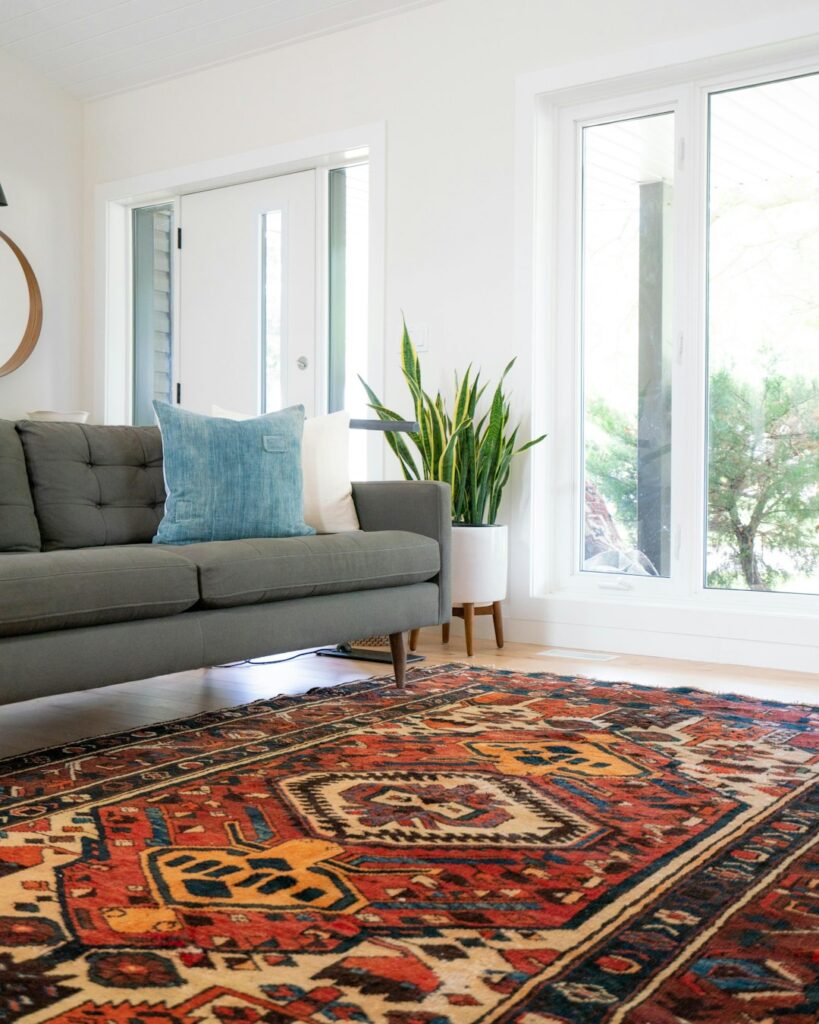
Design selection is more than aesthetics; it influences how customers perceive your space. A rug can unify a room’s style or draw attention to a specific area. In offices with sleek, modern furniture, geometric patterns in muted tones complement the environment without overwhelming it. Conversely, traditional spaces benefit from classic Persian or oriental designs that add warmth and a sense of permanence. Color choices should consider fading too; rugs placed near windows might need UV-resistant dyes.
Size matters more than most realize. Too small, and a rug looks out of place; too large, and it can crowd the room or become a tripping hazard. Take precise measurements before buying and consider traffic flow. In retail stores, placing larger rugs in entryways or main aisles helps guide customers naturally from one section to another while making the space inviting. It’s common to see rugs that are oddly sized because measurements weren’t double-checked on site.
Safety can’t be overlooked, especially in busy venues prone to spills or sudden rushes of people. Non-slip backings or additional grip pads prevent accidents by keeping rugs firmly in place. This is crucial in restaurants and hotels where wet floors happen often. Some rugs come with fire-retardant treatments or antimicrobial finishes, which can be important depending on local regulations or health standards. Businesses should verify these features when purchasing.
Maintenance is a practical concern many overlook until problems arise. Some commercial rugs require professional cleaning due to delicate fibers or intricate designs, while others can be maintained with regular vacuuming and immediate spot cleaning using mild detergents. For example, boutiques often prefer rugs that balance style with ease of upkeep since staff time is limited and appearance affects brand image. Check manufacturer guidelines before committing; mismatched cleaning approaches can ruin a rug quickly.
If you want to explore different styles and price points, plenty of options exist online to suit specific needs and budgets. Browsing through commercial area rugs can give a clearer picture of what’s available, helping you match texture, color, and material to your space’s demands. It’s helpful to request samples when possible to feel the texture and assess color accuracy under your lighting conditions.
Consider pairing rugs with other flooring choices to optimize comfort and durability across your business space. You might find that layering rugs over hard surfaces improves acoustics and reduces fatigue for staff who stand for long shifts. For more information on complementary flooring options, visit flooring alternatives for commercial spaces. Taking time to select the right combination can improve both functionality and customer experience.