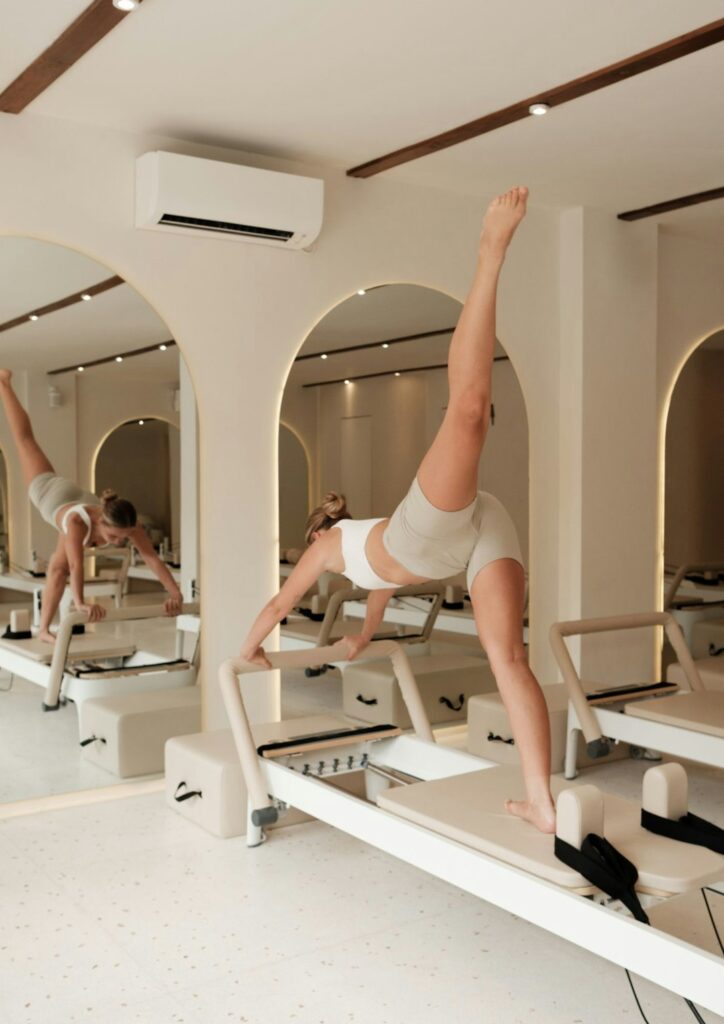

The method emphasizes precise, controlled movements that boost muscle awareness and coordination. Participants learn to activate their core properly, which supports stability during everyday activities and exercise. For example, if someone is healing from a sprained ankle, Clinical Pilates provides a safe path to regain strength and mobility without putting the injury at risk. Exercises progress gradually, ensuring recovery stays on track.
Clinical Pilates adapts well to different fitness levels and health concerns, making it less intimidating compared to a typical gym setting. Older adults recovering from surgery often benefit from gentle modifications that rebuild strength and confidence step-by-step. Instructors typically start with basic movements, then increase complexity as participants improve. This personalised approach keeps everyone engaged and safe.
Breathing is a key part of the practice. Proper breath control supports movement, helps relaxation, and sharpens focus. Many find that syncing breath with exercise improves their performance and reduces tension. This focus on breathing also encourages mindfulness, which can be helpful for managing stress or anxiety during sessions.
Special equipment like reformers and trapeze tables are common in Clinical Pilates classes. These tools offer adjustable resistance tailored to individual needs. For instance, those aiming to strengthen their upper body might use reformers for targeted arm and shoulder workouts. Tracking progress becomes easier with this equipment because resistance levels can be changed as strength builds.
Regular participation in Clinical Pilates often leads to physical improvements and a sense of connection with others facing similar challenges. Group classes create an environment where motivation thrives. People often report feeling refreshed and more confident after sessions, which helps them stick with the program longer. It’s not unusual for participants to form informal support networks that encourage consistency.
Finding a qualified instructor is important when starting Clinical Pilates. The best instructors know how to tailor exercises to individual health needs while maintaining safety throughout the session. Sometimes newcomers are skeptical about its benefits but soon notice better movement and less pain. To explore what Clinical Pilates can do for you, check out clinical pilates redcliffe for detailed information.
Before beginning any new exercise routine, consider your personal health goals and any limitations you have. Consulting a healthcare professional can help ensure the program suits your condition and reduces risk of injury. Good instructors often review medical history before designing a plan. For support in improving your overall wellness alongside Pilates, visit physical therapy guidance.