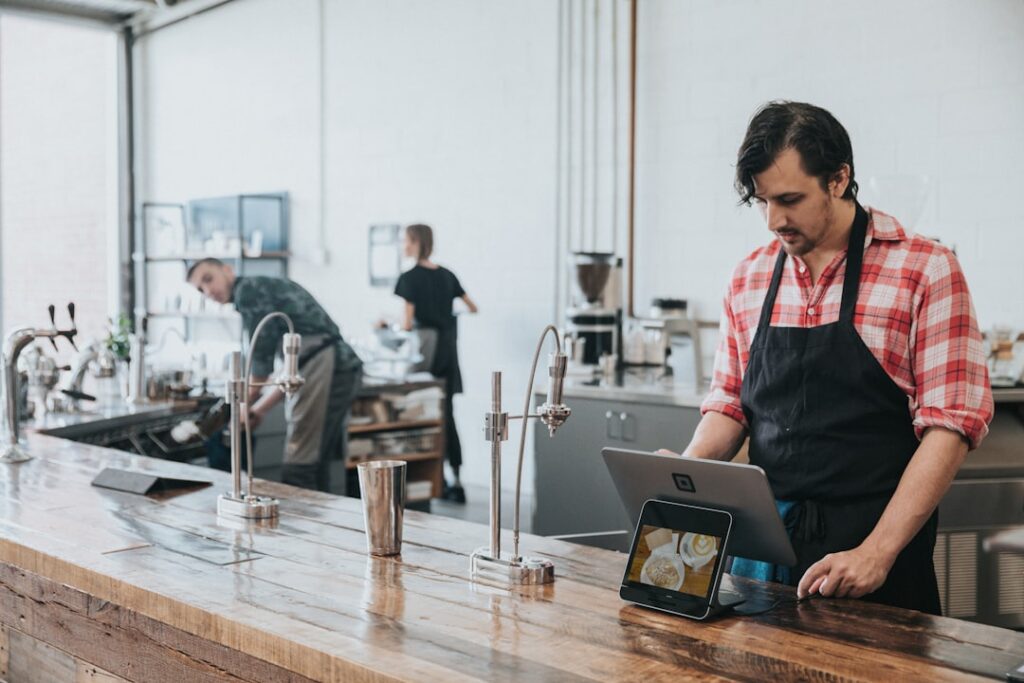
Creating an effective coffee shop bar design is essential not only for aesthetic appeal but also for functionality and efficiency. When executed well, the design of the bar can improve customer experience, streamline operations, and even influence sales. Whether you’re launching a new café or renovating an existing space, thoughtful bar design should be a central part of your planning process.
At the heart of any coffee shop lies the bar area, which serves as the operational core for baristas and the visual focal point for customers. This space needs to balance form and function, combining ergonomic workflows with inviting design elements. A well-organized bar layout allows baristas to move seamlessly from one task to another, reducing wait times and minimizing errors. Bar height, counter depth, and placement of essential equipment all play a role in how efficiently staff can work.
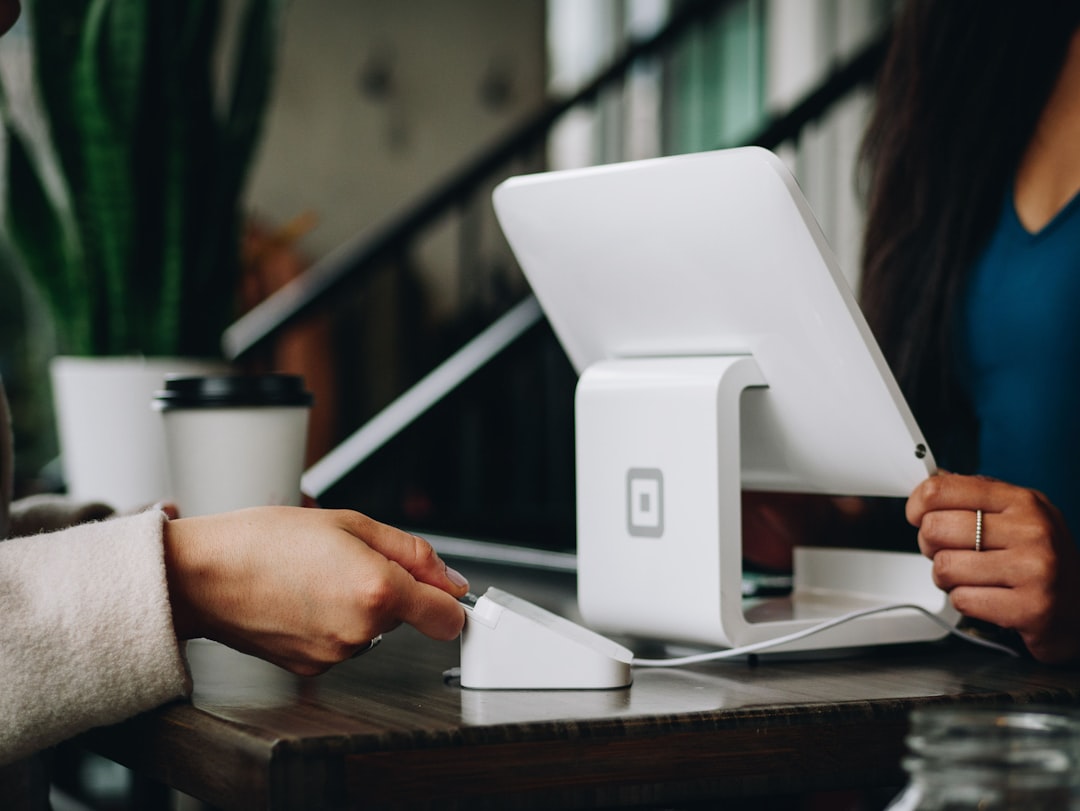
The flow of customer traffic is another key consideration. A successful coffee shop bar design guides patrons naturally from the entrance to the point of sale and then toward pickup and seating areas. This smooth flow reduces congestion and enhances the customer experience. Strategic placement of signage, lighting, and visual cues helps direct movement without the need for staff intervention. A poorly organized space, by contrast, can lead to confusion and frustration for both customers and employees.
Material selection also impacts both the look and longevity of the bar. Surfaces must be durable enough to withstand daily wear and tear while also being easy to clean. Wood offers warmth and character, while stainless steel provides a modern, industrial feel and high durability. Combining materials can create a balanced aesthetic that reflects the brand’s identity.
Functionality extends beyond the barista’s side of the counter. The customer-facing side must be equally well thought out. Considerations include where customers place orders, how they access menus, and where they wait for their drinks. Incorporating subtle dividers or shelf space can help organize these activities without making the area feel cluttered. For more detailed strategies on optimizing your coffee shop bar design, it’s helpful to explore resources that break down the process step by step.
Lighting plays a dual role in the bar area. Task lighting ensures that baristas can see clearly while preparing beverages, which is essential for quality and safety. Ambient lighting, on the other hand, sets the mood and enhances the customer’s overall perception of the space. Layering these types of lighting creates a dynamic environment that supports both functionality and atmosphere.
Acoustics should not be overlooked. Coffee shops are often social spaces, and excessive noise can detract from the experience. Choosing sound-absorbing materials for the bar and surrounding areas can help maintain a comfortable noise level. This is especially important in high-traffic locations where multiple conversations and the sound of coffee equipment can quickly become overwhelming.
Storage is another critical component of bar design. Hidden storage solutions help maintain a clean and uncluttered appearance while ensuring that baristas have quick access to the tools and ingredients they need. From under-counter refrigeration units to overhead shelving, every inch of space should be utilized efficiently.
Staff training and workflow integration are also part of the design conversation. Even the most visually stunning bar will fall short if it doesn’t support the daily tasks of the team. Engaging baristas in the design process can reveal insights into what works and what doesn’t, leading to a more effective final layout.
Your coffee shop’s concept should align with the bar design. For example, a minimalist Scandinavian café might feature clean lines and light wood finishes, while a rustic, vintage-inspired shop could lean into reclaimed materials and antique fixtures. Consistency between your brand and physical space strengthens customer perception and loyalty.
For more industry insights and practical guidance on building a successful café, visit this coffee business resource that offers a wealth of information for entrepreneurs. Designing a coffee shop bar is a multi-faceted process that requires a blend of creativity, practicality, and attention to detail. By focusing on both the operational and experiential aspects, you can create a space that supports your staff, delights your customers, and strengthens your brand identity.