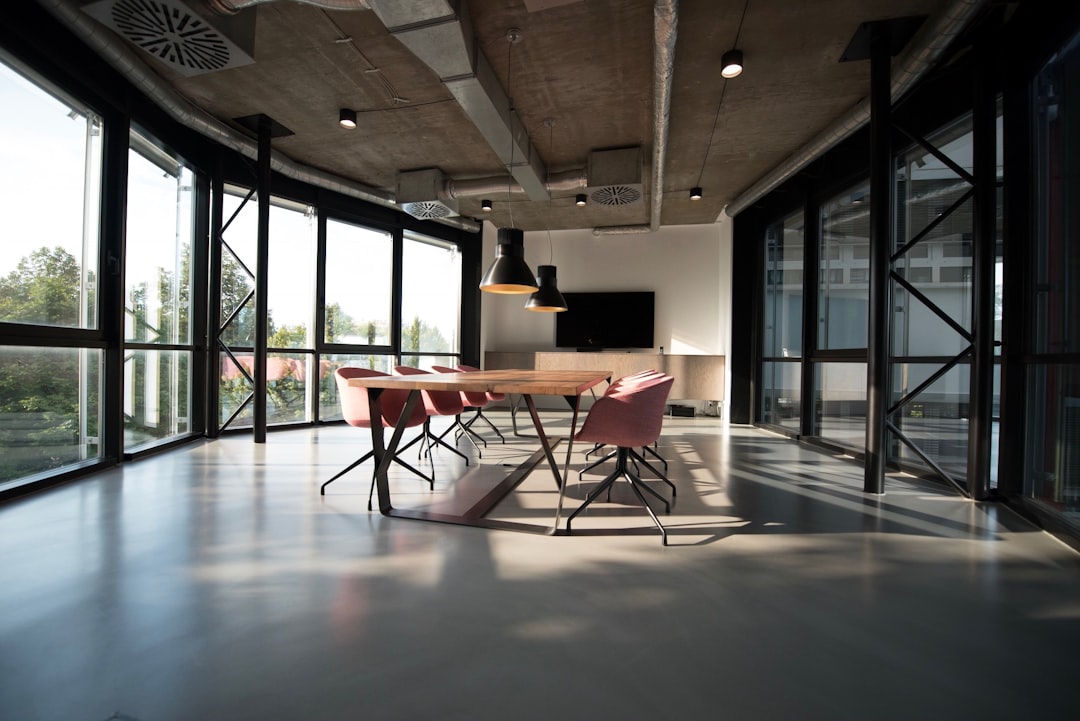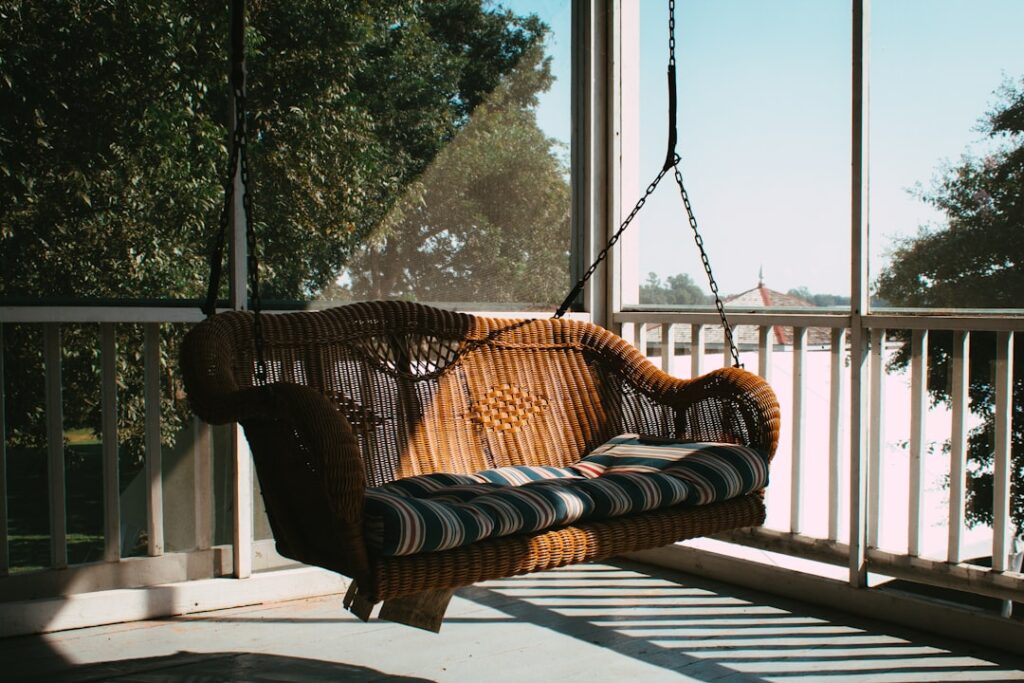
In many Devon villages, glass verandas have become a common sight outside cafes and restaurants. These structures extend dining areas without sacrificing comfort, allowing customers to enjoy fresh air while staying sheltered. Beyond improving the look of a business, verandas increase seating capacity, which means more revenue during peak hours. Many owners find these spaces useful well beyond summer, as they let patrons linger longer in pleasant surroundings filled with natural light.
Choosing the right materials is often the first step. Toughened glass is a favourite because it offers strength and safety, holding up against strong winds and occasional hail. It also helps reduce heat loss, which is important in Devon’s often unpredictable weather. Aluminium frames complement the glass with a clean, modern finish that won’t rust or degrade easily. Business owners sometimes overlook these details until after installation, but investing in quality materials pays off in durability and lower maintenance.
Planning permission can catch some off guard. Local councils vary on rules about veranda size, placement, and design. It’s wise to check building codes before ordering or starting construction. A simple consultation with the planning office can prevent costly delays or forced removals later. Some businesses keep a record of their correspondence with authorities; this habit reduces misunderstandings and smooths future projects.
Lighting shapes how verandas feel after dark. Many opt for LED setups integrated into the structure, which offer adjustable brightness for different moods or events. This flexibility turns a daytime dining space into a lively evening spot without extra equipment cluttering the area. It’s common practice to install dimmers and colour options as separate controls to adapt quickly from casual lunches to special dinners.
Heating also matters for year-round use. Portable patio heaters are popular because they’re easy to move and maintain. More permanent solutions like underfloor heating or infrared panels require upfront investment but provide consistent warmth without bulky appliances. Some pubs report a noticeable bump in winter bookings after adding heated verandas, showing how comfort directly impacts customer retention.
Adding plants brings life to glass verandas. Seasonal flowers or herbs in planters enhance visual appeal and even serve practical uses in kitchens. For example, a bistro in Exeter grows herbs such as basil and rosemary on their veranda, using fresh ingredients straight from the planter to the plate. This approach ties the outdoor space into the food experience and encourages guests to linger.
Glass verandas fit many business types. Coffee shops benefit from extra seating on busy mornings; restaurants create unique atmospheres blending indoors and out. As more businesses see these advantages, investing in a glass veranda devon has become a sensible choice rather than a luxury.
Building an online presence helps too. Posting well-lit photos of finished verandas attracts customers who value ambiance. Sharing reviews or customer stories on social media builds trust and community interest. One local cafe owner found that after showcasing their new veranda space online, foot traffic increased noticeably during weekends.
Understanding materials, checking permissions early, choosing flexible lighting and heating, plus adding natural touches helps create inviting verandas that work throughout the year. For practical tips on installation and design ideas, business owners can visit veranda installation advice in devon.