Consider a young adult recovering from a traumatic brain injury (TBI) caused by a sports accident. Beyond physical symptoms, visual problems often arise and can disrupt daily functioning. In Brisbane, optometrists familiar with TBI cases offer detailed eye exams designed to pinpoint vision issues that might be overlooked in general assessments. Common complaints include blurred vision, trouble judging distances, and sensitivity to light. These specialists use tailored tests to evaluate eye coordination and how the brain processes what the eyes see, helping patients regain control over their visual world.
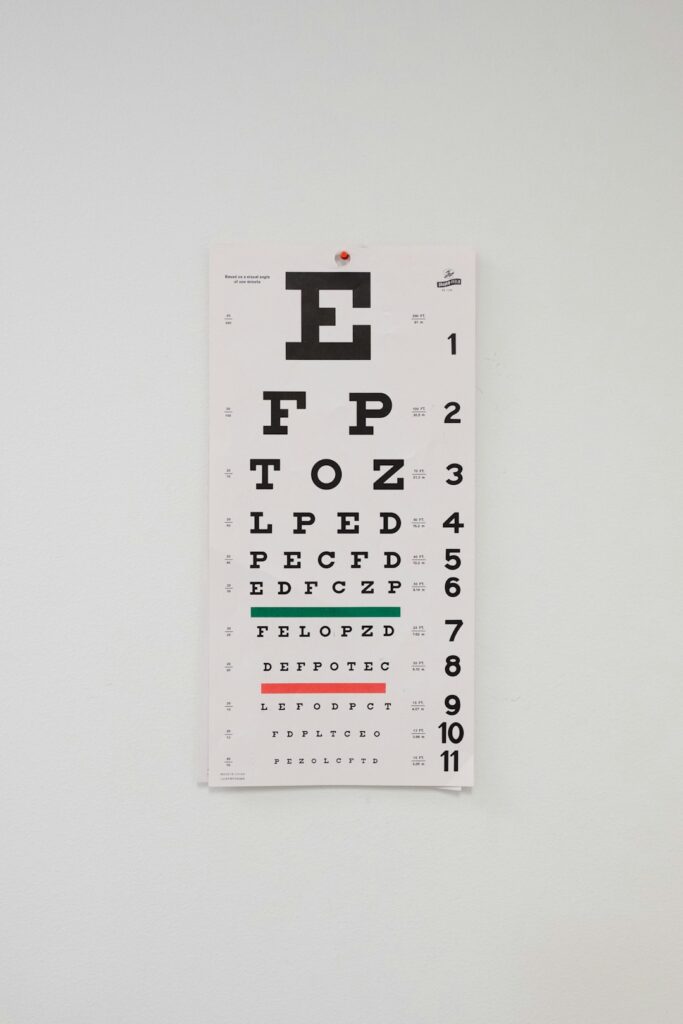
Vision assessments for TBI patients require more than just reading letters on a chart. Optometrists measure visual acuity, but also track eye movements to detect problems like poor convergence or difficulty shifting focus quickly. They might test how well each eye works independently and together, since misalignment can cause double vision or headaches. These exams often incorporate computerized tools or paper-based exercises to uncover subtle deficits. A typical appointment includes reviewing the patient’s history, observing their eye behavior during tasks, and sometimes repeating tests over time to note any changes.
For those with significant vision loss after TBI, low vision assessments are indispensable. The goal is to maximise remaining sight by recommending aids and techniques that suit daily activities. This could mean training someone to use a magnifier effectively or adjusting lighting at home to reduce glare. Optometrists often suggest special lenses that filter certain wavelengths of light if photophobia is an issue. Simple advice, like organizing frequently used items within easy reach, also helps reduce frustration. Patients usually find that combining technology with practical habits improves their independence more than either alone.
Bioptic telescopes serve as another option for some TBI patients struggling with distance vision. These small devices attach to glasses and allow users to switch between regular sight and telescopic views for spotting details far away. Optometrists assess whether a patient’s visual acuity and cognitive ability make them good candidates for bioptics, since training and practice are necessary to use them safely. For example, they might evaluate driving potential or reading signs at a distance before prescribing one. The choice depends on lifestyle needs, such as returning to work or engaging in hobbies requiring clearer vision at range.
Cerebral Visual Impairment (CVI) is a condition where the brain has trouble interpreting images, despite the eyes functioning correctly. It’s common after TBIs involving brain areas responsible for vision processing. Patients with CVI may struggle recognizing faces or judging spatial relationships, leading to disorientation or social withdrawal. Optometrists trained in CVI conduct assessments that go beyond eye health, focusing on neurological visual function. They work with therapists to develop coping strategies like simplifying visual environments or using tactile cues, which can make a real difference in everyday life.
Routine follow-ups are part of managing TBI-related vision problems. An initial exam typically happens within weeks of injury to establish a baseline. Afterward, appointments occur every few months depending on recovery speed and symptom changes. Keeping a detailed record of symptoms and test results is standard practice to avoid repeating unnecessary tests or missing subtle shifts. Patients are encouraged to report new difficulties promptly since early intervention can prevent secondary issues like falls or reading fatigue.
If you or someone close has a traumatic brain injury, consulting a traumatic brain injury optometrist Brisbane can make a tangible difference. These practitioners don’t just check eyesight; they collaborate with neurologists, occupational therapists, and rehabilitation teams to address vision as part of overall healing.
Accessing specialised care in Brisbane ensures that visual impairments related to TBI receive focused attention. Connecting with an optometrist experienced in brain injury means tailored evaluations and realistic recommendations that fit each patient’s unique challenges and goals. For further details on services, visit vision care after brain injury.