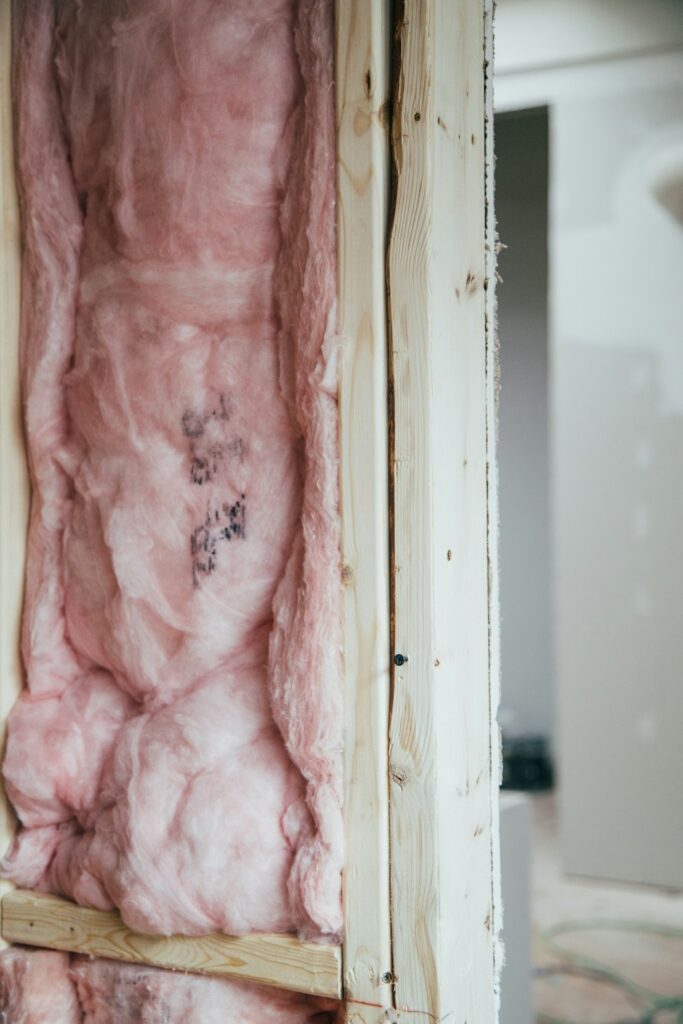
Walking into a loft that’s dusty and drafty might seem normal for an older home, but often the real issue is poor insulation. Inadequate installation wastes energy and drives up heating costs. Skilled loft insulation fitters know how to avoid these problems, yet mistakes still happen. One frequent error is uneven insulation coverage. Gaps or thin patches let cold air sneak through, defeating the purpose. Mineral wool insulation should be laid to about 270mm depth to trap heat properly. Fitters must measure carefully and watch for compressed areas. Skipping these checks means losing most of the insulation’s benefit. Experienced fitters routinely mark out the area and use straight edges or laser levels to confirm even layers before securing the material.
Ventilation is another area where errors occur. Filling every space with insulation might seem thorough but can block airflow. This leads to dampness and mold, which damage wooden structures and reduce air quality. Fitters should leave clear gaps around eaves, roof vents, and chimneys. Leaving channels for air movement prevents moisture build-up without sacrificing warmth. Professionals often carry out a quick visual inspection of ventilation points before starting work. They might also advise homeowners to clear debris or old insulation that blocks airflow, a simple step that avoids future problems.
Thermal bridging is often overlooked but can seriously undermine insulation effectiveness. Heat escapes through wooden beams or metal supports if they aren’t insulated or interrupted with thermal breaks. Fitters who understand building physics know to add extra insulation around these spots or use insulated plasterboard to reduce heat loss. They may point out cold spots during their initial assessment and plan accordingly. Ignoring thermal bridging results in uneven temperatures and higher energy bills.
Choosing loft insulation fitters means asking how they handle these challenges. Skilled tradespeople will explain their methods for ensuring consistent depth, maintaining ventilation, and addressing thermal bridging. They may describe using vapor barriers correctly to control moisture or sealing gaps around pipes and wiring. A good fitter is also familiar with local building codes and can advise on material safety and compliance. They might mention working with suppliers who provide up-to-date product data sheets, confirming fire resistance and environmental standards.
Besides installation techniques, fitters must stay current with evolving industry standards and new materials. For example, some newer insulation products offer better thermal performance or improved breathability, reducing the risk of condensation. Professionals often attend training sessions or read trade publications to keep their knowledge fresh. This ongoing education helps them recommend solutions tailored to each loft’s unique conditions, avoiding costly mistakes.
A realistic scenario is a homeowner misunderstanding the insulation plan due to unclear communication. Experienced fitters mitigate this by providing simple sketches or photos during the project. They might also leave a checklist of maintenance tips, like monitoring roof vents for blockages or checking insulation depth annually. These practical habits prevent rework and ensure the loft performs as intended over time.
Investing in quality loft insulation pays off with lower bills and a more comfortable home. Selecting fitters who spot potential pitfalls before they arise saves hassle later. If you’re ready to improve your loft’s efficiency, look for loft insulation fitters with a reputation for thorough workmanship.
In addition to avoiding common errors, professional fitters know how to choose materials that comply with regulations and suit your property’s needs. They keep an eye on new products that improve energy efficiency without compromising safety or comfort. Some may recommend insulated plasterboard in tricky areas or vapour control layers designed for specific climates.
For more advice on selecting reliable services, visit insulation advice for homeowners. Working with detail-oriented fitters ensures your loft stays warm, dry, and cost-effective year after year.