Securing a home loan is a major milestone, but for self-employed individuals, the process can feel more challenging than it does for those with traditional employment. Without regular payslips or employer references, proving income stability and borrowing capacity requires additional documentation and a slightly different approach. Understanding how self employed home loans work can make a significant difference in navigating this journey with confidence.
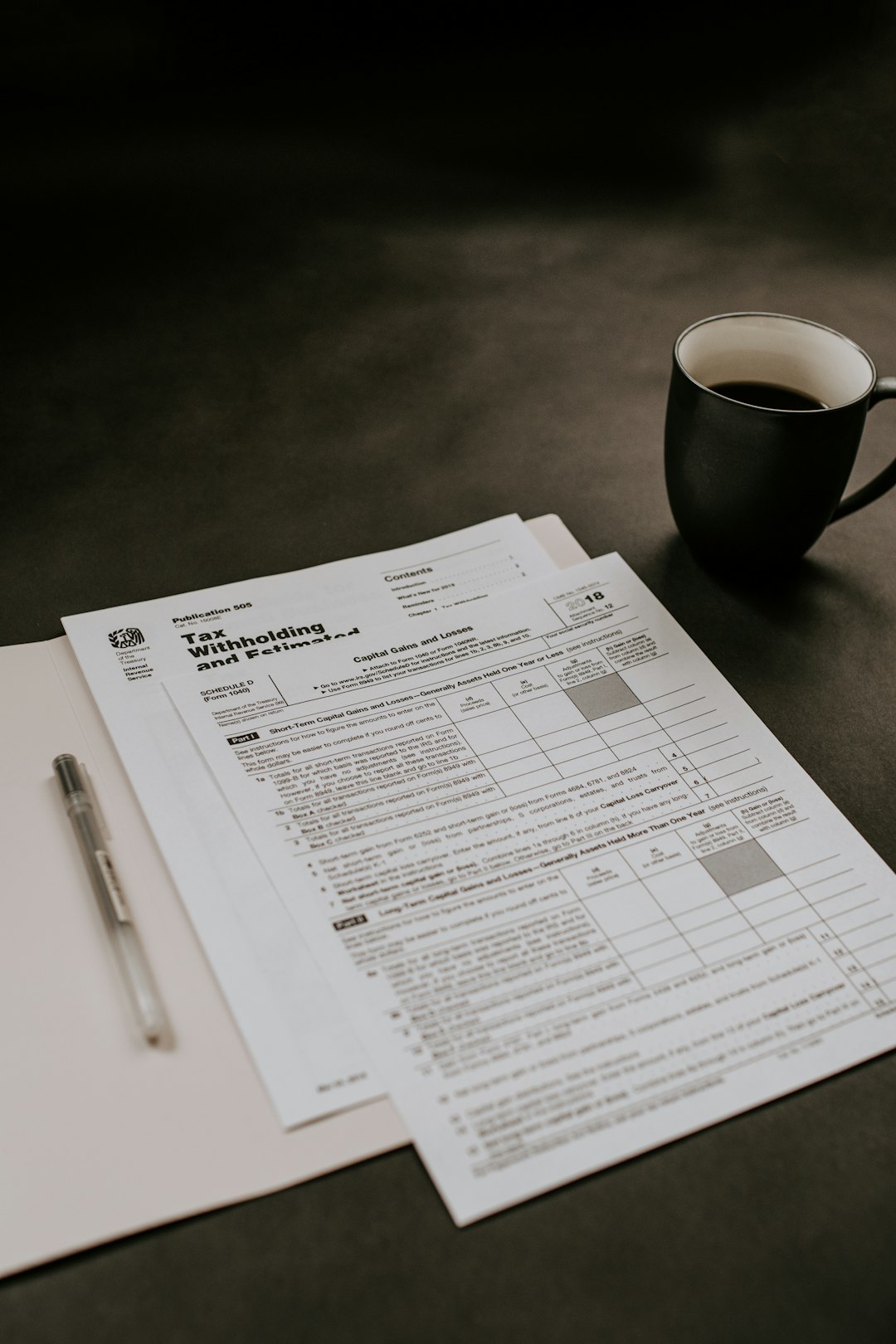
For self-employed applicants, lenders typically require more comprehensive financial documentation to assess your ability to repay the loan. This often includes recent tax returns, profit and loss statements, and sometimes even business activity statements. The goal is to demonstrate a consistent income stream over time, ideally over two financial years. While this might seem like a high barrier, it helps lenders determine if your business is profitable and sustainable.
A common misconception is that being self-employed automatically disqualifies you from getting a competitive home loan. In reality, many lenders offer tailored solutions specifically for self-employed borrowers. These loans often come with similar interest rates and features as standard home loans, though the application process may involve more steps. Preparing your documentation thoroughly and working with professionals who understand this niche can help streamline the experience.
When applying for a self employed home loan, the structure of your business also plays a role. Whether you’re a sole trader, in a partnership, or operating under a company or trust, lenders will evaluate your income differently. For instance, if you draw a salary from your business, some lenders may treat this similarly to traditional employment income, provided it’s verifiable through consistent records and tax filings.
One of the key factors lenders consider is the net profit of your business as stated in your tax returns. They may also look at any add-backs—expenses that can be added back to your income, such as one-off costs or non-cash deductions like depreciation. Demonstrating these figures clearly can strengthen your application and potentially lead to better borrowing terms.
In some cases, low doc loans may be an option. These are designed for applicants who might not have the full suite of documentation typically required, such as recently self-employed individuals. However, these loans often carry higher interest rates and may require a larger deposit. While they can be a viable short-term solution, it’s important to weigh the costs and benefits carefully.
Credit history remains an important consideration for lenders, regardless of employment status. A strong credit score can improve your chances of approval and may open the door to more favourable loan terms. Keeping personal and business finances in good order, paying bills on time, and reducing other debts can all contribute positively to your credit profile.
It’s also worth noting that your deposit size and the loan-to-value ratio (LVR) will influence the outcome of your application. A larger deposit not only reduces the amount you need to borrow but also shows lenders that you have financial discipline. In some cases, having a deposit of 20% or more can help you avoid lenders mortgage insurance, further reducing the overall cost of the loan.
Getting guidance from a mortgage broker or financial advisor who specialises in self-employed lending can be invaluable. They can help you present your financials in the best light and connect you with lenders that are more open to working with self-employed applicants. These professionals understand the nuances of your financial situation and can advocate on your behalf.
For those seeking clarity and support during the loan process, some resources are available to assist in understanding eligibility and preparing applications. Whether you’re buying your first home or upgrading, having access to the right tools can make a big difference. You can explore more about loan options and eligibility criteria for self-employed individuals through this home loan guide for freelancers.
In conclusion, while self-employed home loans require a bit more preparation and documentation, they are absolutely attainable. By understanding what lenders need, preparing your financial records carefully, and seeking expert support, you can increase your chances of securing the home loan that suits your needs and circumstances.