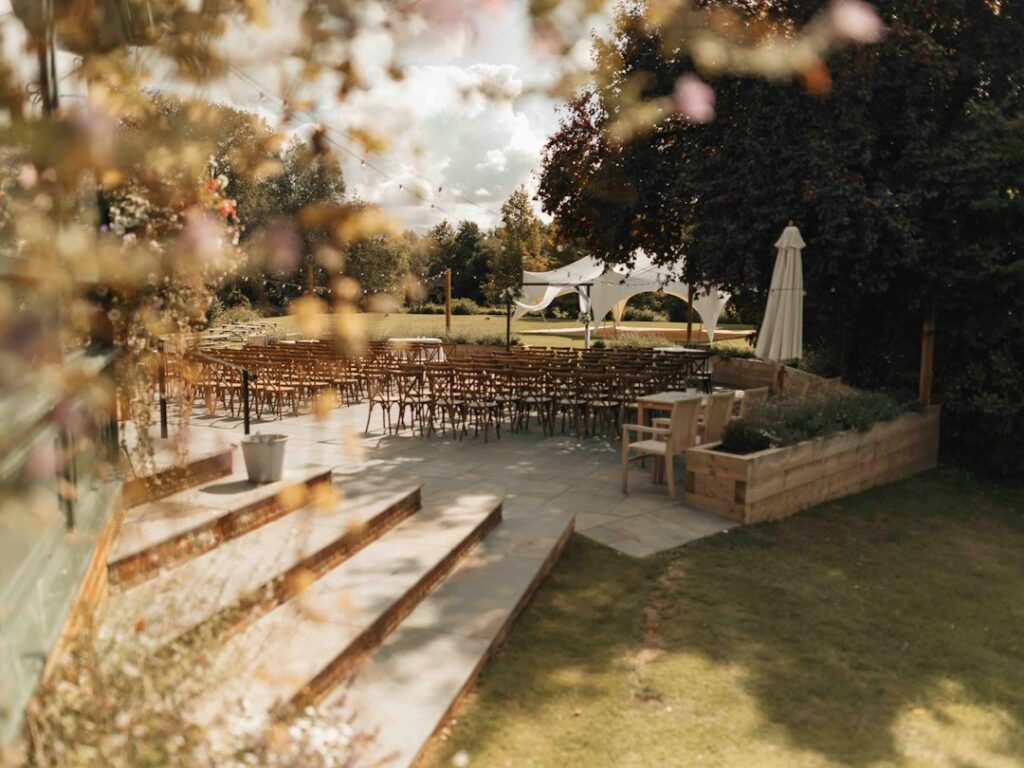

Event management and venue management overlap, but they are not the same job. Event management is usually concerned with one occasion and its programme, suppliers, logistics and delivery. Venue management takes a broader view across enquiries, confirmed bookings, viewings, calendars and the venue’s ongoing presentation. A business considering hunter valley venue management may need help with one function or both. A venue might handle routine weddings itself, for example, yet bring in additional planning support for a corporate event involving several rooms, staged sessions and a tighter changeover.
Enquiry management is a straightforward term for a useful discipline: capture the details of each prospective booking, answer the relevant questions and record the next action. A workable record may include the requested date, guest estimate, event format, budget range, catering preferences, access requirements and the person responsible for replying. A short note after every phone call can prevent a later colleague from asking the client to repeat information. Enquiry conversion describes how many suitable enquiries become bookings. Better conversion often comes from prompt replies, accurate capacity information and a clear explanation of what the venue can and cannot provide, rather than from aggressive sales tactics.
A viewing should answer operational questions, not just display attractive rooms. A couple planning a reception may want to know whether suppliers can unload near the entrance, where guests wait before the ceremony, how wet weather changes the layout and how late music or pack-down can continue. The person conducting the inspection should check those points against the current venue information instead of relying on memory. If a proposed table arrangement narrows an access route or places the bar where queues will block a doorway, saying so early gives the client time to revise the plan. Good consultation includes practical correction, not only a polished presentation.
Logistics is the coordination of spaces, people, equipment and time. A run sheet might record the caterer’s arrival, furniture placement, lighting checks, sound setup, guest entry, speeches, meal service, room reset and supplier departure. Staff use it as a working document, and they may mark changes on it during the day. It should also identify who is expected to make a decision if timing slips. A conference ending at 5 pm may leave less usable time than the calendar suggests if equipment must be removed before another function begins. The changeover needs to be discussed before both clients receive firm commitments.
Capacity should be assessed against the planned arrangement, not just the largest number associated with an empty room. Tables, a dance floor, staging, buffet furniture, technical equipment and service stations all take usable space. Clear paths for guests and staff also affect the layout. The same venue may suit a standing gathering, a seated dinner or a presentation with different practical limits. Availability has a similar complication. Guest hours are only part of the booking; setup, deliveries, rehearsal, cleaning and pack-down may require additional access. A booking calendar that records these periods is more useful than one showing guest start and finish times alone.
Commercial control remains with the owner or authorised manager, but a structured process makes those decisions easier to apply. It can set out which questions require approval, which charges are standard, which suppliers need confirmation and when a deposit or signed agreement is expected. Owners who need venue booking process advice may be looking for help with follow-up, inspections, information sheets or coordination rather than a complete transfer of responsibility. A simple weekly review of open enquiries can identify an unanswered question, an unconfirmed date or a promised document before it becomes a client complaint.
The most useful systems are often modest. A venue may keep one current floor plan, a supplier access note, an approved pricing sheet and a booking record that shows every outstanding decision. Before an event, the manager can compare the signed arrangements with the run sheet and confirm arrival times with key suppliers. Afterward, a short debrief can record what caused a delay, which room reset worked and what should be clarified in future proposals. That habit reduces rework without forcing every event into the same template. Each booking still needs its own check of audience, timing, layout, staffing and site conditions.