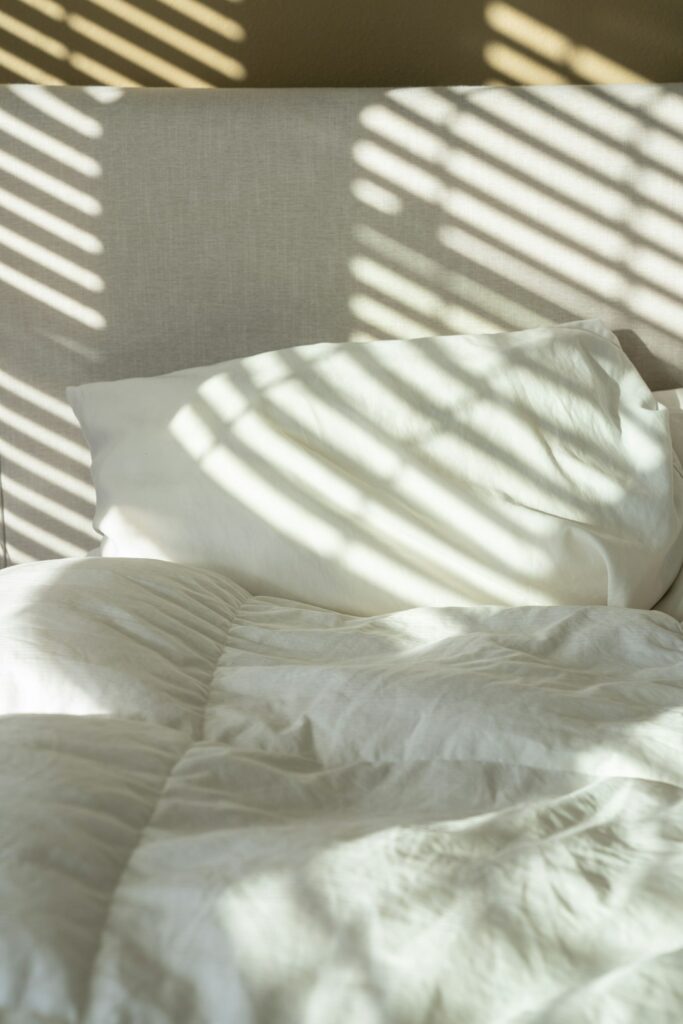

One practical detail often overlooked is how linen handles moisture. It pulls sweat away from your skin but dries fast, keeping you comfortable all night long. A friend who struggled with night sweats switched to linen and said she slept more soundly almost immediately. For anyone dealing with overheating or clamminess during sleep, this fabric can be a quiet game-changer. It’s worth mentioning that linen bedding usually requires less frequent washing since it doesn’t trap odors as much as synthetic fabrics.
When you shop for linen bedding, you’ll find a range of colors and styles shaped by natural dyes that create subtle, uneven shades. This gives each piece character and a unique look, no two sets are exactly alike. Many brands offer pre-washed linens that come with a relaxed, lived-in feel right out of the package, so you can skip ironing. From personal experience, it’s best to wash new linen sheets separately the first time to avoid lint transferring onto other laundry.
For businesses selling home goods, linen offers a strong selling point in sustainability. Made from flax plants, it requires far less water and fewer pesticides than cotton farming does. Customers who prioritize eco-friendly products often ask about these details, so having clear information ready helps build trust. Highlighting linen’s lower environmental footprint alongside its durability and comfort can set your product line apart. Linen bedding isn’t just decoration, it reflects a lifestyle focused on quality and responsibility.
Demand for natural fabrics is growing, pushing retailers to stock varied linen options to meet different tastes. Offering multiple textures, like slubbed or washed linen, along with various thread counts lets customers find exactly what suits their needs. Linen mixes well with cotton or wool blankets for layering; experimenting with fabrics can refresh bedroom decor without buying all new furniture.
Minimalist design trends have also boosted linen’s popularity. Its simple elegance fits clean, uncluttered spaces perfectly. People wanting fewer but better things often invest in bedding that lasts and looks good over time. Linen’s neutral tones and natural wrinkles add warmth without fuss. I’ve advised clients to avoid overly bright colors with linen since they tend to fade unevenly after repeated washing.
Choosing linen bedding isn’t just about aesthetics; it reflects choices about comfort, durability, and environmental impact. As more shoppers become aware of these factors, retailers and manufacturers should stay informed about what makes linen special and share that knowledge openly with customers. Offering practical advice on care, like washing linens separately on gentle cycles and avoiding bleach, can prevent disappointment and extend product life.linen bedding benefits explained encourages shoppers to think differently about what goes on their beds.