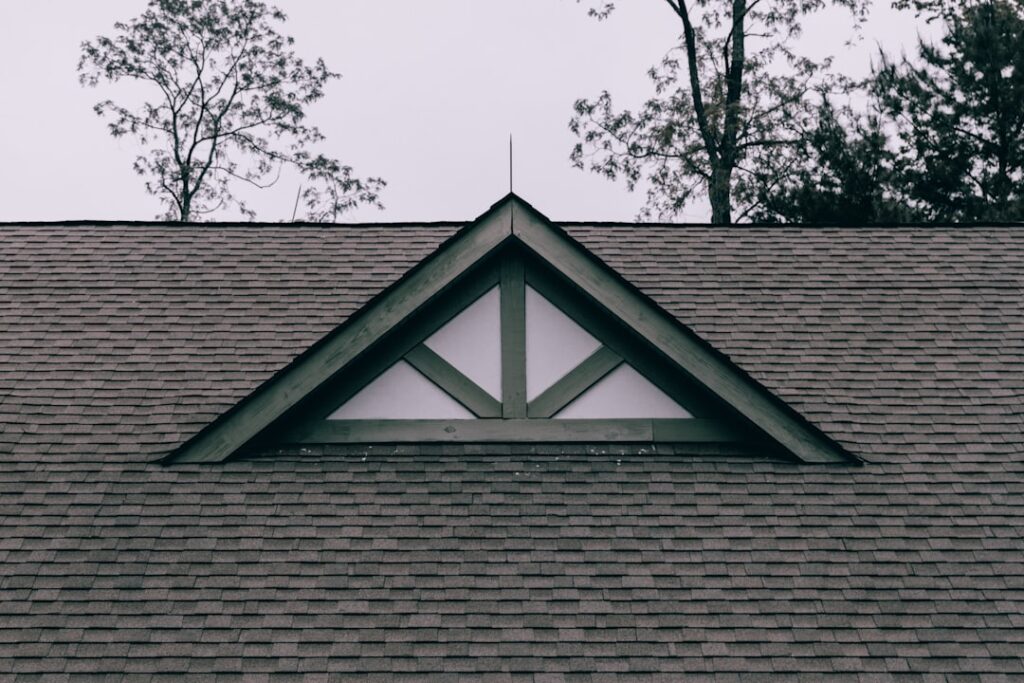
Water infiltration is a persistent problem in both residential and commercial construction, often leading to serious structural damage, mold growth, and costly repairs. Managing this risk requires a reliable and adaptable solution, and liquid waterproofing has emerged as a versatile method to protect surfaces from moisture intrusion. Whether applied to rooftops, balconies, or concrete foundations, this technique offers a seamless barrier that conforms to complex surfaces and provides long-lasting defense against water penetration.
Unlike traditional sheet or roll-on waterproofing membranes, liquid waterproofing systems are applied as a fluid that cures into a rubber-like membrane. This application process allows for easy coverage of irregular shapes and hard-to-reach areas, making it particularly useful in renovation projects where surfaces may be uneven or already compromised. Once cured, the membrane forms a continuous coating with no seams or joints, which are often the weak points in other waterproofing methods.
One of the key advantages of liquid waterproofing is its flexibility. Many formulations are designed to stretch and contract with the surface, accommodating structural movement without cracking or peeling. This is especially beneficial in climates with fluctuating temperatures or in buildings that undergo regular expansion and contraction. The elasticity of the membrane ensures long-term performance, even under challenging environmental conditions.
In addition to its flexibility, liquid waterproofing is known for its ease of installation. It can be applied with rollers, brushes, or sprayers, depending on the size and complexity of the area. This adaptability reduces labor time and the need for specialized equipment, offering cost savings for both contractors and property owners. Moreover, because the application process is relatively straightforward, it minimizes disruptions to ongoing operations in commercial settings or daily life in residential buildings.
Another important aspect of liquid waterproofing is its compatibility with a wide range of substrates. It can be applied over concrete, metal, wood, and even existing waterproofing layers, provided that the surface is properly prepared. This makes it an ideal solution for repair and maintenance projects where replacing the entire waterproofing system is impractical or too expensive. By reinforcing vulnerable areas and sealing cracks, liquid membranes can extend the life of existing structures without the need for extensive demolition.
Environmental considerations also play a role in the growing popularity of liquid waterproofing systems. Many modern formulations are solvent-free and low in volatile organic compounds (VOCs), reducing their impact on indoor air quality and the environment. This makes them suitable for use in sensitive areas such as schools, hospitals, and food processing facilities, where health and safety are a priority.
Maintenance is another area where liquid waterproofing systems excel. Once applied, the membrane requires minimal upkeep and can be easily inspected for damage or wear. In the event of localized issues, repairs are typically simple and do not require redoing the entire surface. This makes liquid membranes a practical choice for building owners looking for a low-maintenance, high-performance waterproofing solution.
In recent years, technological advancements have continued to enhance the performance of liquid waterproofing products. Improved formulations offer faster curing times, greater resistance to UV exposure, and better adhesion to a variety of surfaces. These innovations expand the range of applications and help ensure that the waterproofing system performs reliably over time.
For those considering a protective solution for their building’s surfaces, understanding the benefits and limitations of each approach is essential. Liquid waterproofing stands out for its adaptability, ease of use, and long-term durability. Whether for new construction or restoring aging infrastructure, it offers a practical and efficient way to safeguard structures against moisture damage.
To explore more about building protection and surface treatment options, visit this surface solutions resource for additional insight into modern waterproofing technologies.