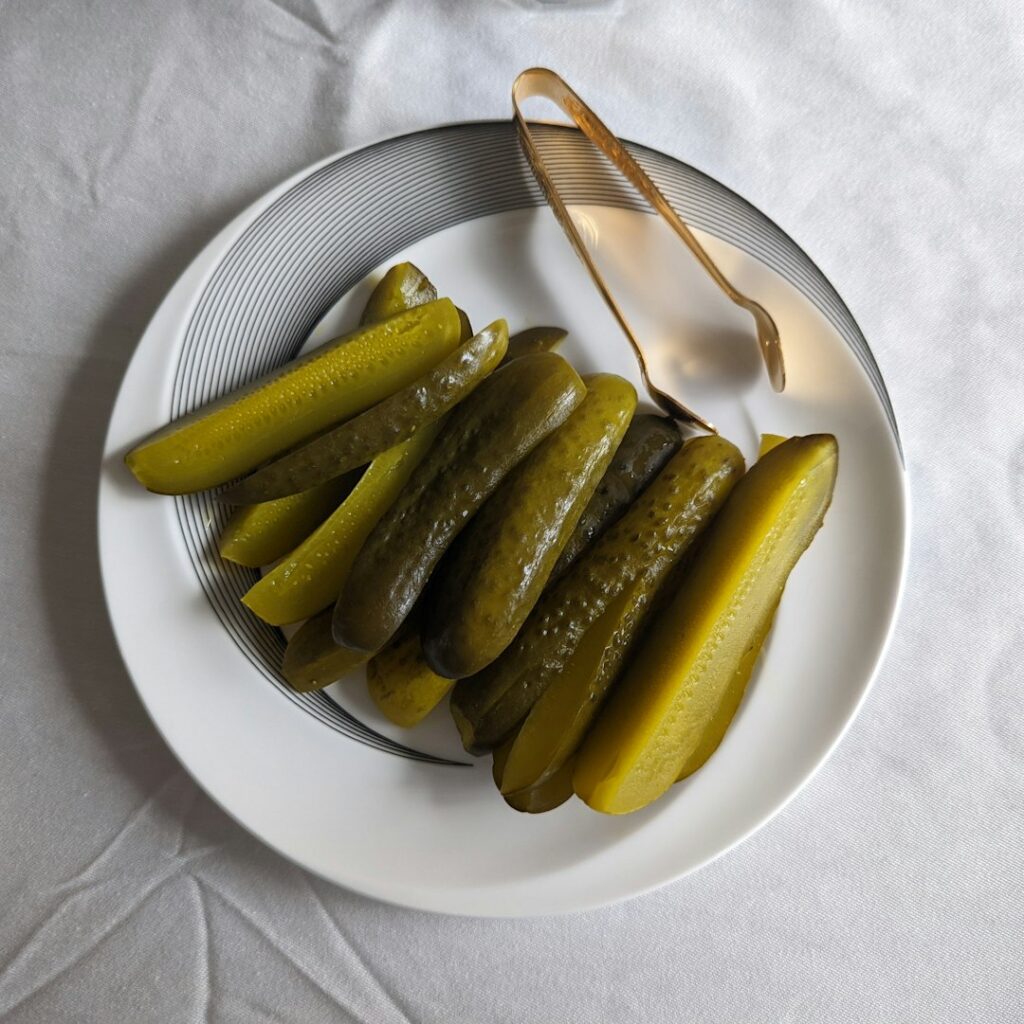
Malaysian pickles are a vibrant and essential element of the nation’s diverse culinary heritage. Known locally as “acar,” these pickles are more than just condiments; they are a testament to Malaysia’s rich cultural tapestry, influenced by Malay, Chinese, Indian and Peranakan traditions. These pickles vary widely in flavour, texture and preparation methods, but all share a common appreciation for balance—sweet, sour, spicy and salty elements working together in harmony.
The concept of pickling in Malaysia is deeply rooted in the need to preserve seasonal produce. Long before refrigeration, vegetables and fruits were salted, spiced and soaked in vinegar to extend their shelf life and enhance their flavour. Over time, this practical approach evolved into a celebrated culinary art. Today, acar is served not just as a side dish, but also as a palate cleanser and even a festive delicacy during holidays and family gatherings.
One of the most common types of Malaysian pickles is acar timun, made with cucumber, carrots, and sometimes pineapples. These ingredients are typically julienned and mixed with a vibrant paste made of ground chillies, turmeric, shallots and vinegar. The result is a brightly coloured, tangy and slightly spicy side dish that complements rich, savoury main courses. Another popular variety is acar rampai, which includes shredded vegetables like cabbage and long beans, often served at weddings and traditional feasts.
A defining characteristic of Malaysian pickles is their use of aromatic spices. Mustard seeds, fenugreek, and cumin are commonly toasted and added to the pickling mixture, along with fresh ingredients like garlic and ginger. These spices not only enhance the flavour but also contribute to the preservation process. The interplay of these elements creates complex layers of taste that develop even further over time as the pickles mature.
The multicultural nature of Malaysia has given rise to regional variations of pickles. In Indian-Malaysian communities, you’ll often find pickles with more intense heat and the inclusion of ingredients like mango or lime. Meanwhile, Chinese-Malaysian styles may incorporate soy sauce and sugar, leaning toward a sweeter profile. Peranakan or Nyonya pickles, on the other hand, blend elements from both Chinese and Malay traditions, resulting in unique preparations that reflect the hybrid identity of the community.
For those looking to explore or purchase authentic malaysian pickles, there are now a growing number of online platforms offering a wide selection. These sites often carry handcrafted pickles that stay true to traditional recipes, ensuring that customers get a genuine taste of Malaysia’s culinary roots. Whether you’re a seasoned aficionado or a newcomer curious about South-East Asian flavours, trying different varieties of acar can be a rewarding experience.
Pickles in Malaysian cuisine are not just limited to vegetables. Some recipes include pickled fish or prawns, particularly in coastal regions where seafood is abundant. These versions are typically more pungent and acquired in taste but are deeply appreciated by locals for their bold flavours. They often accompany simple rice dishes, adding depth and contrast to every bite.
In addition to being enjoyed as side dishes, Malaysian pickles have also found their way into fusion cuisine. Chefs across the globe are experimenting with acar in sandwiches, salads and even as toppings for burgers and tacos. The pickles’ vibrant taste profile offers a striking counterpoint to creamy and rich dishes, making them a versatile ingredient in contemporary cooking.
The increasing interest in global cuisines has brought more attention to Malaysia’s pickling traditions. Food enthusiasts are beginning to recognise the intricacy and cultural significance of these dishes. As more people seek out authentic and handcrafted products, there is a growing market for high-quality pickles made using time-honoured methods. This demand not only helps preserve traditional recipes but also supports small businesses and artisans who continue to produce these delicacies with care.
For those eager to dive deeper into the world of Malaysian culinary traditions, exploring regional food offerings can provide a broader context. Pickles are just one part of a much larger gastronomic story, one that includes an array of spices, cooking techniques and cultural influences. By understanding the role of pickles within this framework, one gains a richer appreciation for Malaysia’s diverse food culture.
Whether served alongside a festive meal or added to a modern dish, Malaysian pickles continue to inspire with their bold flavours and rich history. They are a delightful example of how food can preserve not only ingredients but also traditions, stories and identities across generations.