Pelvic discomfort affects many women, often without clear understanding of the causes. This pain can show up during exercise, sexual activity, or even simple daily movements like bending or lifting. It’s common for women to feel uncertain or embarrassed about discussing these issues, which can delay getting help. Specialized physiotherapy offers targeted treatment that can restore function and improve daily comfort significantly.
Pelvic organ prolapse occurs when pelvic muscles weaken, causing organs to shift downward into the vaginal canal. Symptoms include a sensation of pressure, discomfort during sex, and urinary leakage. Despite being common, prolapse is rarely talked about openly. Women often mistake these signs as just part of aging or aftermath of childbirth, missing out on effective treatments.
Typical signs related to this condition include lower back pain, urgency to urinate, and trouble fully emptying the bladder. These symptoms can cause frustration and isolation because they interfere with normal activities. Physiotherapists emphasize the importance of early recognition and treatment to prevent worsening symptoms.
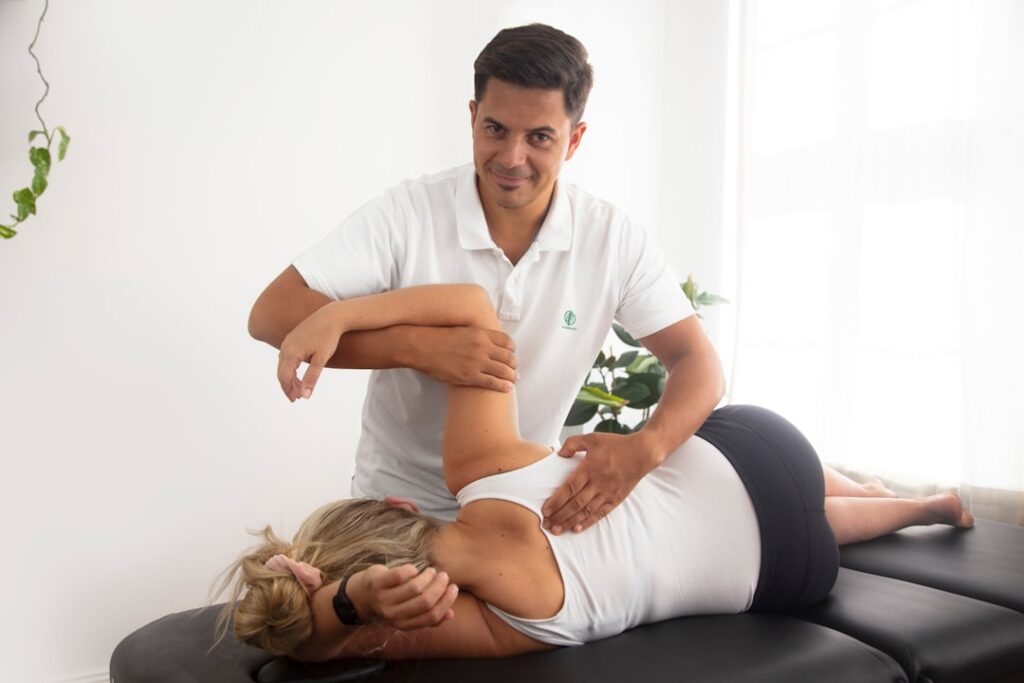
Treatment usually revolves around strengthening the pelvic floor through personalized exercises. A physiotherapist will teach techniques to activate and control these muscles properly. Pelvic floor exercises, or Kegels, are a core part of therapy but need to be done correctly to be effective. Practitioners often use biofeedback tools to help patients understand muscle engagement better.
Pelvic floor weakness also contributes to chronic pelvic pain and pain during intercourse. Causes range from childbirth trauma and hormonal shifts to stress-related muscle tension. Patients often describe a persistent tightness or sharp pain that affects intimate relationships and emotional well-being. Manual therapy and relaxation exercises are common parts of treatment plans.
Conditions like endometriosis or interstitial cystitis can add another layer of pelvic pain. These disorders bring symptoms that disrupt work and social life. Physiotherapy can help by teaching movement strategies and relaxation methods that ease muscle tension and improve daily activity tolerance.
Working with a physiotherapist who specializes in women’s health matters because they perform thorough assessments and tailor treatments to individual needs. They might also provide advice on lifestyle habits such as proper posture during lifting or toileting techniques that reduce strain on pelvic muscles. Small details like avoiding breath holding during exercises or timing workouts around menstrual cycles can make a big difference.
If you want to understand how physio for women can help improve your pelvic health, booking an appointment with a skilled specialist is a good first step. You don’t have to manage symptoms on your own; there are practical ways to regain control.
To find out more about improving pelvic wellness and muscle function, visit pelvic health care resources. Taking action early often leads to better outcomes and greater comfort in everyday life.
Additional awareness and education about pelvic health can empower women to seek help sooner. Community programs and support groups also play a vital role in breaking the stigma around these issues. Sharing experiences and knowledge helps build confidence and encourages proactive care.
Moreover, advances in physiotherapy techniques continue to enhance treatment effectiveness. New technologies and research provide physiotherapists with better tools to customize interventions. This progress promises improved quality of life for many women facing pelvic health challenges.