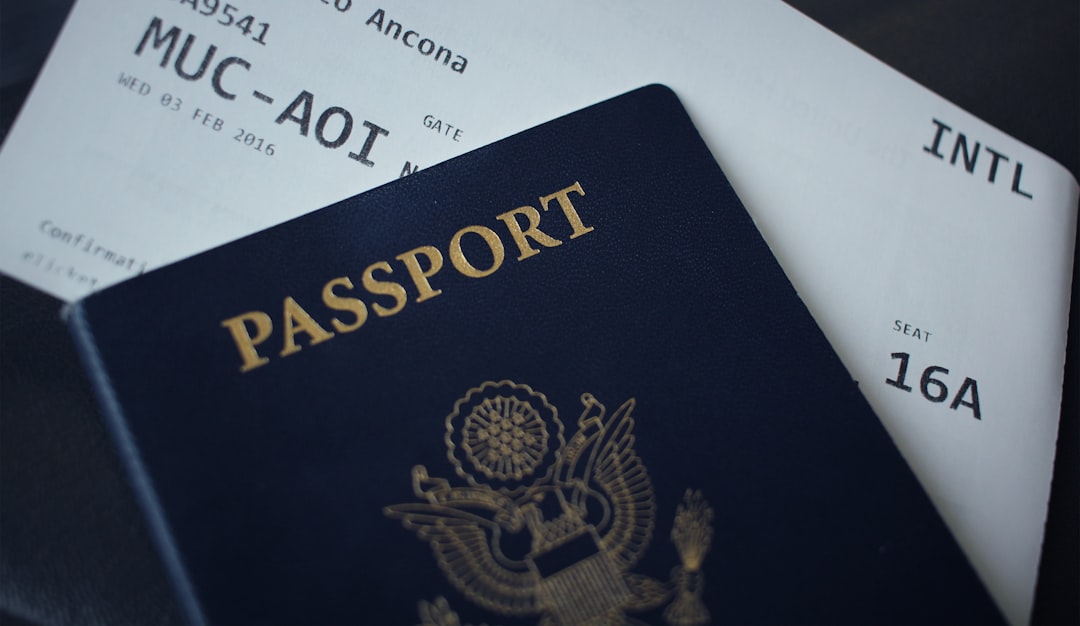
If you run a business with employees who work remotely, Spain’s digital nomad visa might be an option to consider. It allows non-EU citizens to live in Spain while working for employers or clients based outside the country, without needing a traditional work permit. This visa supports those who want to experience life in cities like Barcelona or Madrid while maintaining their remote jobs. For example, a developer working for a US tech firm could relocate temporarily and enjoy Spain’s culture, weather, and lifestyle.
To qualify, applicants must prove a stable income, usually at least three times the current IPREM (a benchmark for public income in Spain), which changes annually. This income proof can come from contracts, bank statements, or invoices. Applicants also need private health insurance valid in Spain that covers all medical expenses, they must submit policy documents confirming coverage. These requirements ensure that visa holders can support themselves and access healthcare without burdening local resources.
The application process demands careful preparation. Common pitfalls include submitting incomplete paperwork or missing official translations. It helps to prepare well in advance and double-check every document against the checklist provided by Spanish consulates. Many applicants underestimate how long bureaucratic processing takes, so planning ahead prevents unnecessary delays or last-minute issues.
Employers can benefit from this visa by encouraging their remote staff to spend time onsite in Spain. Face-to-face interaction can spark creativity and strengthen team bonds. Informal chats over coffee in local cafes often lead to better collaboration than video calls alone. Plus, Spain’s pleasant climate and vibrant social scene improve morale and reduce burnout, which is important for retaining talent.
Engaging immigration advisors familiar with Spain’s digital nomad visa can save time and frustration. These professionals know how to handle specific document requirements and can help tailor applications to individual circumstances. They also stay up to date on regulatory changes, such as those affecting UK nationals post-Brexit. For instance, UK citizens now face different entry rules compared to EU nationals, so expert advice prevents costly misunderstandings.
Post-Brexit regulations mean some traditional routes for UK workers no longer apply, making the digital nomad visa a particularly attractive alternative. Companies should keep track of both UK and EU immigration policies to plan employee relocations effectively. Having clear internal guidelines on visa renewals, tax implications, and residency obligations avoids surprises down the line.
If you are thinking about applying for a spain digital nomad visa, consulting someone who knows your situation can make a big difference. A tailored approach considers your business model, employee roles, and timelines. For example, some clients find it helpful to prepare letters from employers confirming remote work arrangements or evidence of regular payments before submitting applications.
In addition, it’s worth reviewing how this visa fits into your broader strategy for international growth. A good immigration plan accounts for potential travel restrictions or changes in tax residency rules, which can vary depending on how long employees stay abroad. Staying organized with document copies and deadlines keeps everything on track.
For more specific advice on these matters, you can explore options with remote work visa guidance. They offer insights on practical steps to secure permission for living and working remotely in Spain. Taking the time to understand the details upfront saves headaches later and helps your team make the most of their time overseas.