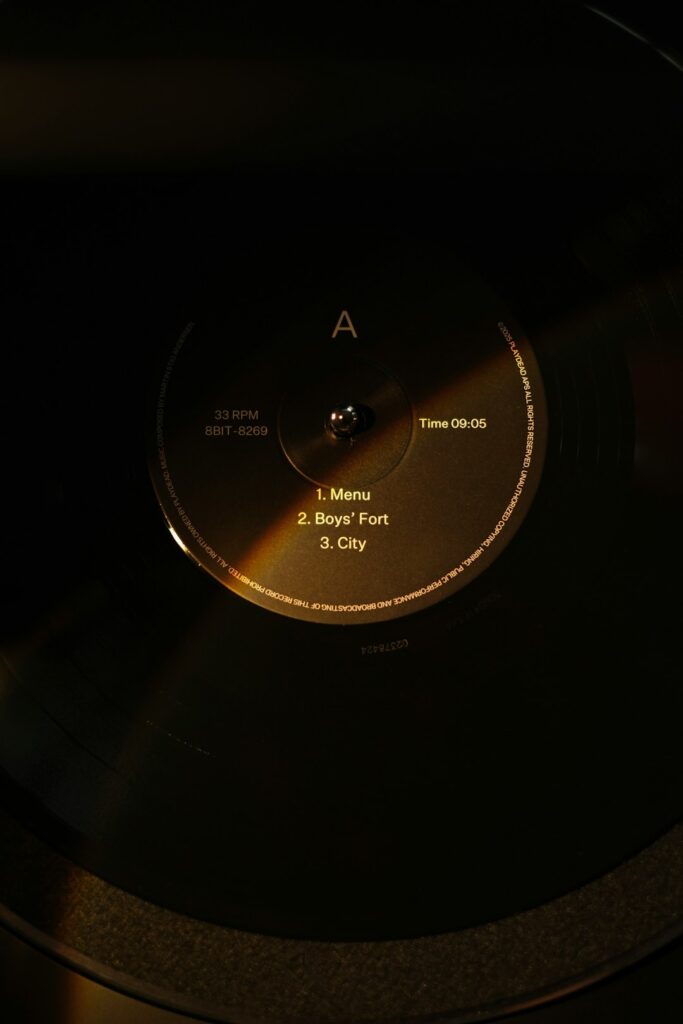

The first thing I notice in a good local record store is how the bins are organized. Alphabetical sections help when you know the artist, while genre sections are better when you are browsing by mood. New arrivals may sit separately from older stock, and that can save time if you want records recently put out for sale. Before visiting, you can look at a record shop near me search result for hours and location details, then call if you need a particular title. Inventory changes quickly, so an online listing is rarely a complete catalog.
Used records reward patience because condition affects both sound and price. Staff often describe vinyl with a grading system, such as Mint, Very Good Plus, or Very Good. In plain English, the grade refers to visible wear and expected playback quality, although stores may apply labels somewhat differently. The sleeve has its own condition, since a clean record in a split or water-marked jacket is not the same purchase. For example, I might accept a lightly worn sleeve for a common album, but choose a cleaner copy when the cover art is part of the appeal.
Pressing details can also explain why two copies of the same album have different prices. A pressing is a particular manufacturing run, sometimes tied to a country, year, label design, or reissue. The matrix or runout is the small stamped or etched code near the center label, and collectors use it to distinguish some editions. You do not need to memorize catalog numbers. If two copies are available, ask what makes one special and whether the difference is audible, collectible, or simply a matter of condition. That question often prevents paying a premium for a detail you do not value.
A quick inspection is more useful than a dramatic promise about sound quality. Hold the record under a bright light and look for deep scratches, warping, or heavy residue. A carbon-fiber brush removes loose dust before playback, while wet cleaning uses a fluid and a record-safe process to lift more stubborn grime. Avoid household cleaners, since residues can remain in the groove. Also check your setup: tracking force is the downward pressure your cartridge uses, and it should match the cartridge maker’s guidance. Incorrect adjustment can create poor playback and unnecessary wear.
Here is a common Saturday example. Someone brings home a bargain jazz record, then hears repeated crackle and assumes the turntable is broken. The cause may be surface dirt, a damaged groove, or a worn stylus, which is the tiny tip that follows the groove. A shop employee may help separate those possibilities by inspecting the record and asking about the equipment. If you are buying a gift, bring the recipient’s preferences rather than guessing from a famous title. A staff recommendation based on listening habits is usually more useful than a generic bestseller display.
The practical pleasure of a neighborhood shop is the conversation around the purchase. You can ask whether a record is a reissue, whether the sleeve is original, or whether a quieter copy may arrive later. Bring a short want list, but leave room for an unexpected find. If you need a starting point, browse local vinyl records and then visit with realistic expectations about changing stock. The best visit is not always the one where you find every title. It is the one where you learn what to inspect, discover one record worth hearing, and know where to look next time.