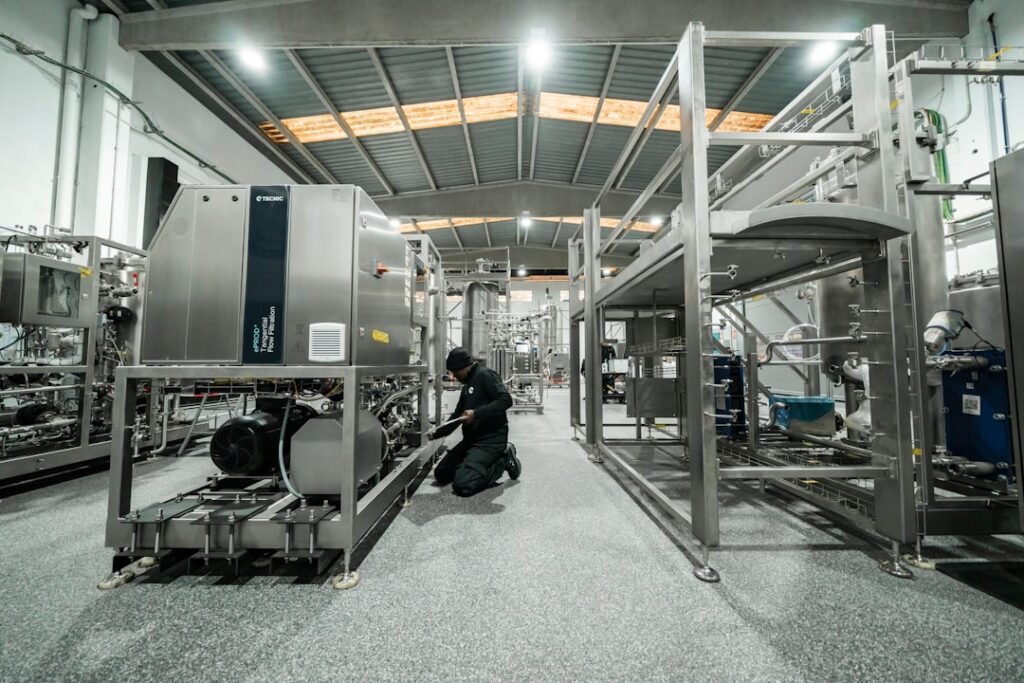
In numerous industrial settings, the demand for effective water filtration is not just a matter of efficiency but a critical factor in maintaining regulatory compliance, equipment longevity and environmental responsibility. Industrial water filtration plays a pivotal role in ensuring that water used across various sectors—whether in manufacturing, food processing, pharmaceuticals or power generation—is purified to meet specific quality standards. As industries strive to improve operational sustainability, understanding the importance and mechanics of proper filtration becomes increasingly essential.
One of the core reasons for integrating industrial water filtration systems is the need to remove suspended solids, organic matter, and potential contaminants from process water or wastewater. This purification process helps prevent damage to equipment, reduces maintenance costs, and ensures that processes relying on high-purity water operate without interruption. For example, in industries where boilers and cooling systems are used, untreated water can lead to scaling, corrosion or biological fouling, all of which can significantly impact operational efficiency and safety.
Beyond protecting infrastructure, filtration is also a key factor in regulatory compliance. Many countries impose strict guidelines on the quality of wastewater that can be discharged into the environment. Failure to meet these standards can result in hefty fines or operational shutdowns. By using specialised industrial water filtration systems, organisations can better control the composition of their effluent, ensuring that it meets environmental regulations while also supporting broader sustainability goals.
There are several types of filtration technologies used in industrial applications, each suited to specific needs. Mechanical filtration, for instance, uses physical barriers such as screens or sand to remove particulates. Chemical filtration may involve activated carbon or ion exchange resins to eliminate dissolved substances. In more advanced settings, membrane filtration techniques like microfiltration, ultrafiltration or reverse osmosis are employed to achieve high levels of water purity. Choosing the right system often depends on the nature of the contaminants, the volume of water to be treated, and the desired quality of the output.
Another significant benefit of adopting robust filtration systems is cost efficiency in the long term. While initial installation and maintenance may require investment, the reduction in downtime, equipment repair, and chemical usage often offsets these costs. Moreover, filtered water can sometimes be reused within the same facility, further reducing the need for fresh water intake and decreasing overall operating expenses. This approach not only makes economic sense but also supports water conservation initiatives, a growing concern in regions facing water scarcity.
The role of filtration extends to product quality as well. In sectors like pharmaceuticals and food processing, the purity of water used in production directly affects the safety and integrity of the final product. Even minor contaminants can lead to batch rejections, reputational damage or health risks. Hence, maintaining a consistent water quality through reliable filtration is not optional but a fundamental requirement.
As industries continue to evolve with an emphasis on greener practices, the integration of smart filtration technologies is becoming more commonplace. These systems can monitor water quality in real time, adjust filtration parameters automatically and provide valuable data for operational insights. Such innovations not only enhance performance but also align companies with modern environmental and efficiency standards.
For professionals seeking to understand more about tailored solutions for their sector, exploring comprehensive filtration systems and services can be a practical step forward. Resources like industrial filtration services offer insights into the available technologies and how they can be applied to specific industrial challenges. Whether the goal is reducing environmental impact, lowering costs or improving product quality, the right filtration setup is a cornerstone of sustainable and efficient operations.
In summary, industrial water filtration is far more than a support process; it is a strategic component that influences operational success, compliance and environmental stewardship. As industries face increasing pressures to optimise resource use and meet stricter regulations, investing in effective filtration technology proves not only prudent but essential for long-term viability.