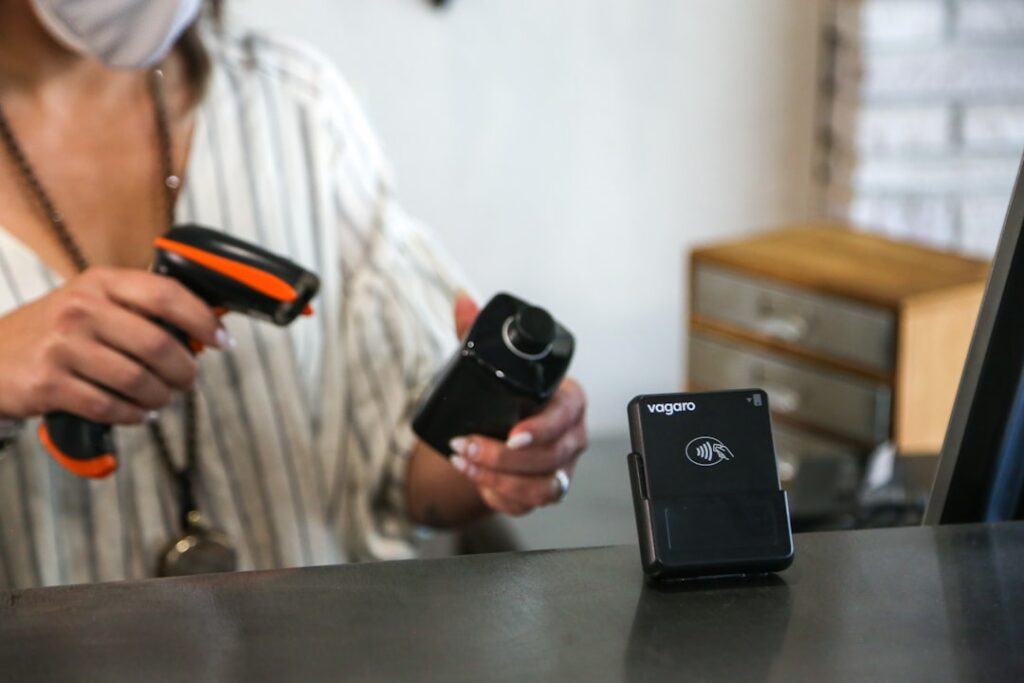
Managing a warehouse with thousands of items can quickly become overwhelming if you rely on manual logs. Mistakes creep in, and tracking stock by hand wastes time. Bar code labels solve this problem by letting you scan products quickly and accurately. A simple scanner or even a smartphone app can update your inventory in seconds, cutting down errors and freeing staff for other tasks. Many warehouses find that using durable, weather-resistant labels is key since worn or faded codes slow down scanning and cause frustration during busy shifts.
QR code labels offer more than just basic tracking. These codes hold more data than traditional barcodes and can be scanned by most smartphones. Retailers often use QR codes on packaging to give customers access to product details, usage instructions, or special offers right on their phones. This approach reduces the need for printed manuals and helps shoppers make informed choices without slowing the checkout line.
Numbered identification labels take barcoding a step further by assigning unique numbers to each item. This method is common in manufacturing where each part is logged with a batch number and production date. It’s invaluable for quality control since it lets you trace issues back to their source instead of pulling random samples. In practice, workers cross-check these numbers against packing lists to catch any mix-ups before shipment.
Security barcode labels are critical in industries where authenticity and tamper evidence matter. These labels might include holograms or special inks that show if a package has been opened or altered. Pharmaceutical companies rely on such labels to keep counterfeit drugs out of circulation. Having tamper-evident features also reassures customers that their purchase is genuine and hasn’t been compromised during transit.
Choosing the right label supplier means looking beyond price. Print clarity is vital since poor contrast makes scanning unreliable, especially under warehouse lighting. Labels must endure the environment they are used in, whether that’s exposure to moisture, abrasion, or chemicals. Custom sizing helps too, as oversized labels waste material while tiny ones cause scanning errors. Many businesses keep a sample pack on hand to test labels in real settings before placing large orders.
Ordering barcode labels should be straightforward. Suppliers with easy online ordering portals save you from back-and-forth emails and unexpected delays. It helps if they provide clear instructions on file specifications and offer quick responses to questions. Businesses often keep a reorder list with exact label details to speed up future purchases and maintain consistency across batches.
If you want to improve your inventory accuracy and speed up processing, barcode stickers are worth considering. Investing in quality labels tailored to your environment can reduce scanning errors, lower stock discrepancies, and free up staff time for other priorities. Small details like choosing matte finishes to reduce glare or requesting extra adhesive for cold storage areas make a real difference in daily operations.
To find out how barcodes fit into your specific setup and get advice on label types that suit your industry, check out barcode label printing options. Understanding the different styles and materials available will help you pick the right product without wasting money or causing headaches later.