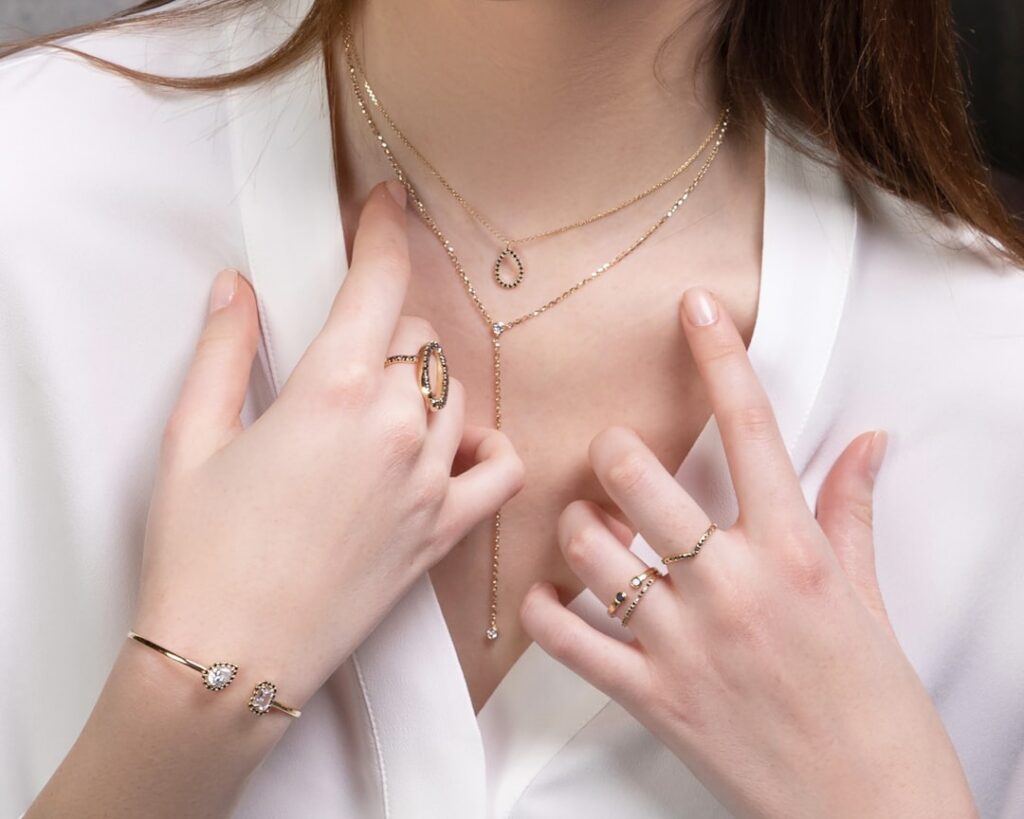
As consumers become more conscious of their environmental and ethical impact, the demand for sustainable jewelry is growing steadily. This shift is not just a passing trend but rather a reflection of a broader movement toward responsible consumption. Jewelry, once primarily appreciated for its aesthetic and sentimental value, is now being scrutinized for how it affects the planet and the people who make it.
Sustainable jewelry involves a commitment to transparency, ethical sourcing, and environmentally friendly practices throughout the entire production process. From the mining of precious metals and gemstones to the labor conditions in workshops, every step matters. For instance, traditional mining methods often leave behind environmental degradation and exploitative labor conditions. In contrast, sustainable jewelers focus on traceable supply chains, recycled materials, and fair labor standards that support workers and local communities.
One of the most significant ways that sustainable jewelry reduces environmental harm is through the use of recycled metals. Gold, silver, and platinum can be repurposed without losing quality, significantly lowering the demand for new mining. Similarly, lab-grown diamonds and ethically sourced gemstones offer alternatives that avoid the ethical dilemmas and environmental issues commonly associated with conventional mining. Choosing these options does not mean compromising on beauty or quality—in fact, many consumers find added value in knowing their jewelry aligns with their values.
In addition to environmentally conscious materials, responsible manufacturing practices play a crucial role. Many artisans and jewelers are now adopting low-impact production methods, including reduced water usage and waste management systems. These steps help minimize the carbon footprint of each piece of jewelry. Emphasizing craftsmanship over mass production also ensures that each item is made with care and intention, which can lead to longer-lasting products that reduce the cycle of consumption.
The growing popularity of sustainable jewelry can also be attributed to changing consumer expectations. Shoppers today are more informed and are seeking brands that align with their values. They want to know where their products come from, how they were made, and who made them. This demand for transparency has encouraged many jewelers to adopt certifications and third-party audits that validate their sustainability claims.
Another factor driving this shift is the integration of sustainability into fashion and lifestyle choices. Jewelry is often seen as a personal statement, and choosing sustainable options becomes an extension of one’s commitment to social and environmental responsibility. Whether it’s a simple recycled gold ring or a custom-designed necklace using conflict-free stones, these choices reflect a deeper awareness and intentionality.
Sustainable jewelry also encourages a more thoughtful approach to fashion. Instead of following fast fashion trends that lead to overconsumption, consumers are beginning to invest in timeless pieces that hold lasting value. These pieces are often designed to be versatile and durable, making them suitable for everyday wear as well as special occasions. By choosing quality over quantity, people can build a collection that is both meaningful and environmentally responsible.
Education plays a critical role in advancing the sustainable jewelry movement. As more people learn about the environmental and ethical issues in traditional jewelry production, they are more likely to support alternatives that prioritize sustainability. This growing awareness is leading to increased advocacy and a stronger push for industry-wide changes. It also encourages collaboration among designers, artisans, and organizations committed to making a difference.
To explore more about ethical practices and consciously crafted designs, you can visit this responsibly made jewelry shop that emphasizes sustainability at the core of its mission. By supporting companies that are transparent about their sourcing and production methods, consumers can help reshape the jewelry industry into one that values people and the planet.
As the movement continues to grow, sustainable jewelry is proving to be more than just a fashionable choice—it is a practical and modern expression of values. It allows individuals to celebrate beauty and craftsmanship while also making a positive impact. With continued awareness and support, the future of jewelry looks not only dazzling but also deeply responsible.