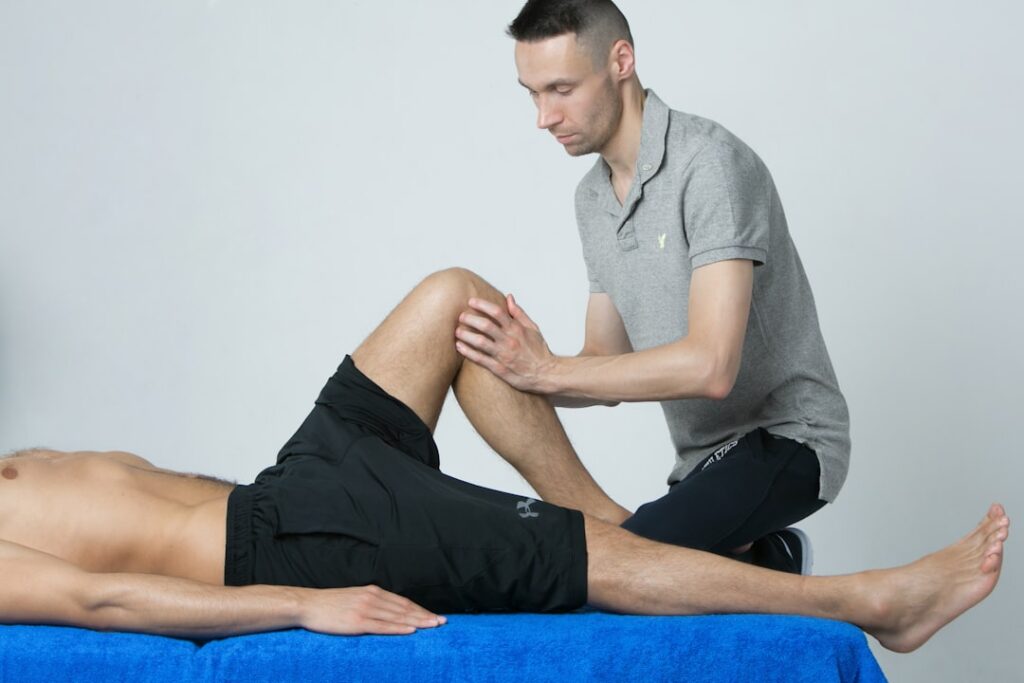
In a busy therapy clinic, a child with cerebral palsy sat quietly, avoiding playtime with other kids. The physiotherapist noticed the child’s physical struggles were compounded by a lack of engagement. The traditional approach, focused on repetitive strength and coordination exercises, was dull and uninspiring. Instead of rigid routines, therapy that incorporates play can make a big difference. For example, using games tied to the child’s interests can boost participation and make sessions feel less like work.
The first plan for this child was a generic set of exercises aimed at muscle improvement. But these felt tedious, causing frustration and withdrawal. One common pitfall in paediatric physiotherapy is treating all children the same. Every child has unique needs and motivations. Successful therapy adapts to those differences. The physiotherapist switched tactics, adding activities like interactive ball games and obstacle courses that matched the child’s preferences. This helped maintain focus and made progress more visible.
Another case involved a child recovering from surgery who struggled with balance and walking. The team concentrated on physical strengthening without addressing the child’s fear of falling. Anxiety slowed recovery because the emotional side was ignored. Gradually introducing challenging movements in a safe, encouraging environment helps build confidence along with strength. Simple steps like using supportive harnesses during balance drills or practicing in familiar settings can ease this transition.
Understanding neuroplasticity is valuable here. It’s the brain’s capacity to rewire itself after injury or during learning. Therapists use this by designing exercises that mimic everyday tasks and promote varied movement patterns. For instance, moving from crawling to walking involves multiple brain pathways adapting simultaneously. Recognising this encourages therapists to avoid repetitive drills that don’t engage the brain fully. Instead, they focus on dynamic activities that help children develop new motor skills more naturally.
Technology also changes the game. Tools like gait trainers provide real-time feedback, helping kids adjust their posture and movements immediately. Interactive balance boards turn therapy into a fun challenge, increasing motivation. These devices allow therapists to fine-tune exercises based on what they see in the moment, rather than relying solely on subjective reports or observation. They also give parents clear data to track progress between sessions.
Working closely with families is vital. Parents often feel lost when trying to manage appointments, therapies, and paperwork under the NDIS framework. Clear communication about goals and daily progress prevents misunderstandings and keeps everyone aligned. Therapists who encourage parents to practice certain exercises at home help reinforce gains from clinic visits. A common mistake is underestimating how much everyday habits influence therapy outcomes.
A holistic approach combining physical exercises, emotional support, family involvement, and technology tends to yield better results. Therapists should tailor plans based on each child’s interests and challenges while applying proven methods that make sense for their development stage. For those looking for practical advice and resources on paediatric physiotherapy under the NDIS, ndis paediatric physiotherapy offers useful guidance.
Flexibility in treatment plans is key. When therapy feels like play rather than a chore, children engage more fully and improve faster. For further reading on effective paediatric rehabilitation practices, paediatric therapy techniques explained provides detailed information.