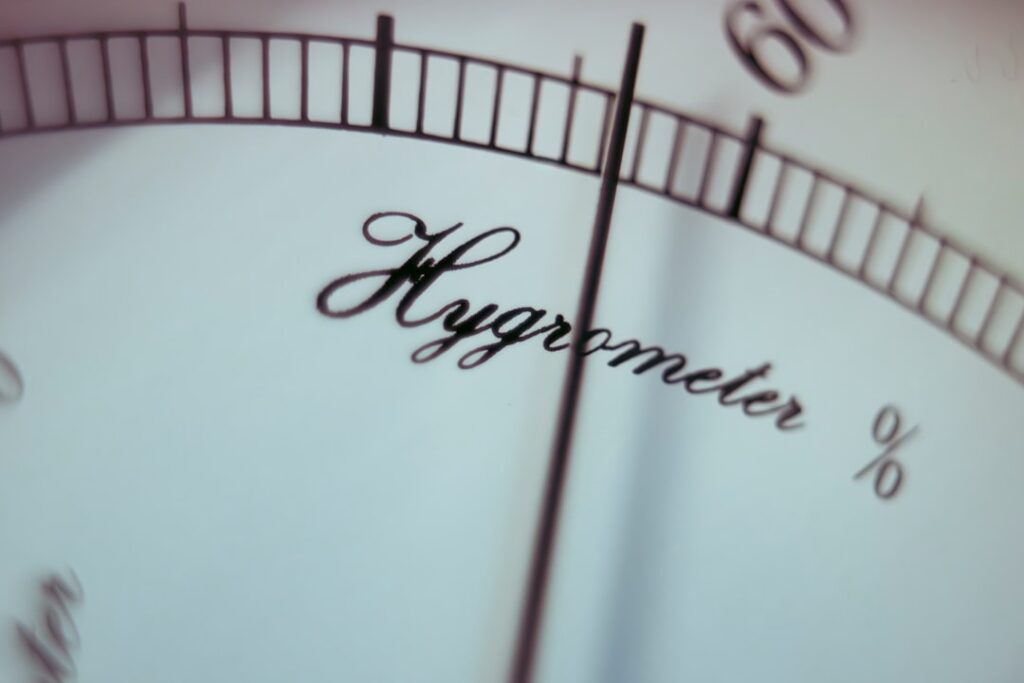
Step into a warehouse where the air feels thick with moisture. You might spot mould creeping onto products, threatening inventory and profits. That’s where a hygrometer becomes indispensable. This device tracks humidity levels, helping you keep the environment stable to protect goods and equipment. It’s not just about avoiding visible damage; unseen moisture can degrade packaging, cause rust on machinery, or even affect electronics over time.
Certain industries demand rigorous humidity control. Take museums, for example: artefacts often react badly to fluctuations in moisture, which can weaken materials or fade pigments. Food storage facilities face similar risks, too much humidity accelerates spoilage and encourages bacterial growth. Using a hygrometer lets you monitor conditions continuously and decide when to turn on dehumidifiers or ventilation to keep items safe.
There’s a variety of hygrometers available depending on your needs. Digital models offer quick, accurate readings and sometimes include temperature sensors or data logging capabilities. Analog versions rely on mechanical elements like hair tension or metal coils but tend to be less precise and require manual checks. For environments demanding tight control, digital units with calibration options are usually the better choice.
Calibration matters more than many realize. A hygrometer left unchecked can drift off accuracy due to dust, wear, or environmental factors like temperature swings. Scheduling regular calibration, whether in-house with standards or through professional services, ensures you don’t make decisions based on faulty data. Pharmaceutical companies often keep logs showing when devices were last calibrated to meet regulatory requirements.
Beyond basic measurement, modern hygrometers often connect to broader systems. They can trigger HVAC adjustments automatically, reducing energy waste while maintaining target humidity ranges. Integrations with building management software allow managers to monitor multiple sensors remotely, spotting trends before issues become urgent. This proactive approach cuts downtime and prevents damage that might take weeks to discover.
When selecting a hygrometer, consider key factors like measurement range (some devices only read up to 80 percent humidity), response time, and whether you need features like wireless connectivity or alarms. Think about your environment too, dusty or corrosive atmospheres require ruggedized units. Checking product manuals and user reviews can reveal quirks; for example, some devices lose accuracy near sudden temperature changes.
Even with the best equipment, misunderstanding readings is common. Staff might misinterpret relative humidity as absolute moisture content, leading to incorrect climate adjustments. Training employees on basic principles and maintaining clear documentation helps avoid these errors. It’s also practical to keep humidity logs alongside other environmental records for cross-checking during audits or troubleshooting.
After installing hygrometers, lean on suppliers who offer installation advice and after-sales support. A quick site visit or phone consultation can prevent costly mistakes like poor sensor placement or wiring errors. If humidity control is part of a larger challenge, explore additional options at industrial moisture monitoring tools. Combining measurement with targeted action is the best way to protect your assets over time.