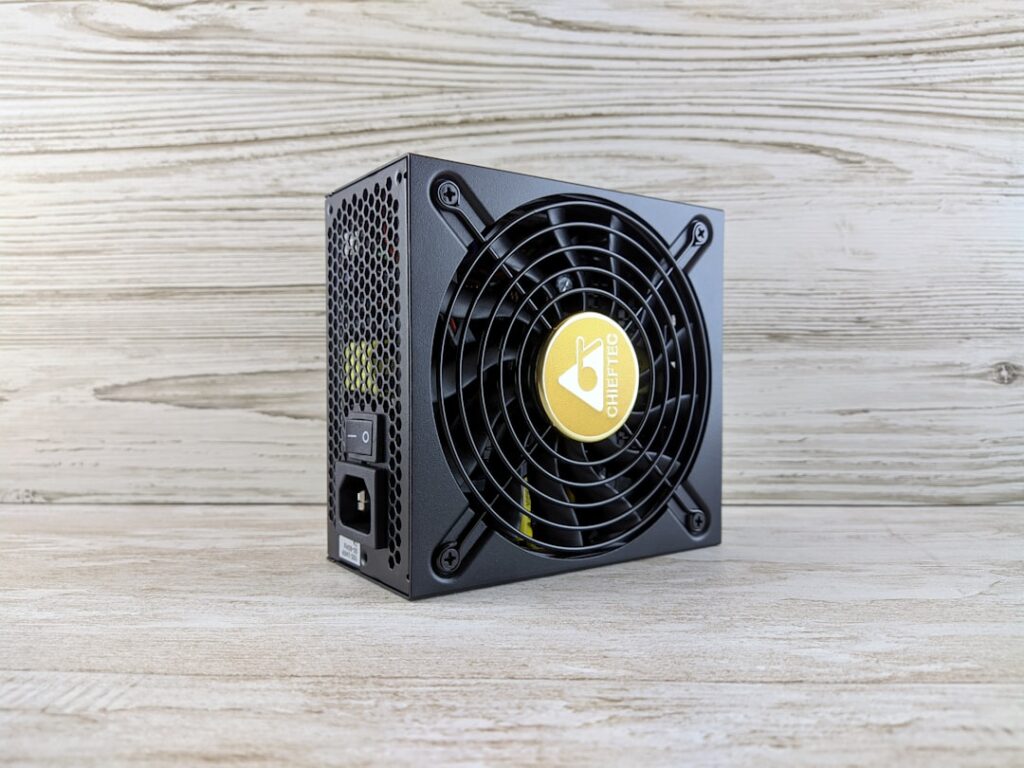

A key problem was the choice of inductors. Using components rated for 360 microhenries and 8 amps might have provided the steady current filtering their machines needed. Inductors help smooth out current fluctuations and protect circuits from spikes. Picking one with insufficient ratings can cause instability and stress other parts of the system, which often goes unnoticed until a failure occurs. In practice, engineers should reference datasheets carefully and verify ratings against expected load conditions.
Load variability is another factor often underestimated. During peak operation, current draw can spike unexpectedly. If an inductor isn’t designed to handle these transient loads, it risks overheating or failing prematurely. For this reason, inductors with higher ratings, such as choke coils rated at 0.6 or even 1 henry, might offer better resilience. These provide more energy storage capacity during sudden surges, giving the power supply room to stabilize without damage.
The team also learned that integrating magnetic core inductors could improve reliability. A magnetic core inductor rated around 3.7 millihenries can reduce energy loss and boost efficiency by minimizing resistance within the coil. These inductors manage higher frequency signals better and offer superior filtering in compact spaces, a critical advantage where board real estate is limited but performance demands are high.
Reflecting on the incident, the production manager decided to revamp the component evaluation process. Instead of just checking basic specs, they now assess how each part interacts within the entire system, including thermal performance and compatibility under varying loads. This approach helps prevent costly oversights and ensures components meet not only theoretical but practical requirements encountered on the factory floor.
They also started training sessions for engineers focused on selecting parts tailored to specific project needs. By building hands-on knowledge about modular power supplies, staff gained confidence making informed decisions that improve product quality and reduce downtime. Encouraging this culture of technical understanding means fewer surprises during production and faster troubleshooting when issues arise.
As these changes roll out, it’s clear that understanding details like inductance ratings and load handling capabilities can significantly affect productivity. The production manager feels more assured that with thorough checks and ongoing education, their facility will avoid similar setbacks. Engaging with practical resources like electronic component specification guides provides valuable advice for optimizing modular power supply designs, ensuring every part contributes positively rather than compromising performance.