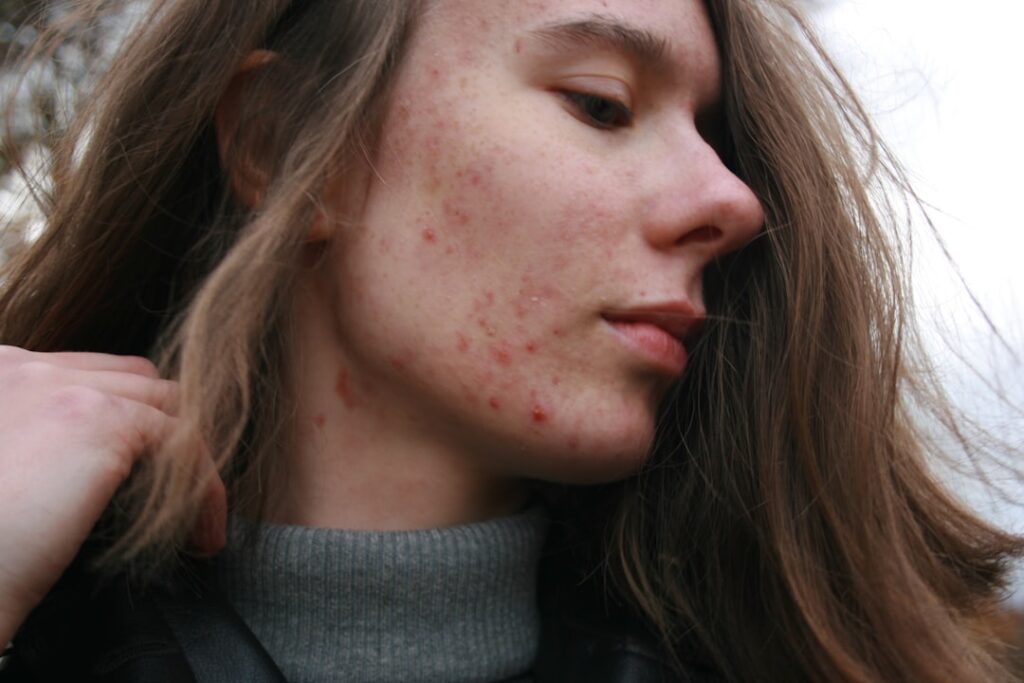

Chemical peels remain a popular choice for treating acne scars. The process involves applying an acid solution to the skin, which causes the outer layer to shed over several days. This encourages new skin growth and can smooth out minor scarring and discoloration. However, results take time and often require several treatments spaced weeks apart. People with darker skin tones should be cautious, as chemical peels may cause uneven pigmentation or irritation if not managed properly.
Laser therapy offers a more targeted approach by using focused light to stimulate collagen and resurface damaged skin. Fractional laser treatment, in particular, creates tiny controlled injuries while leaving surrounding tissue unharmed, speeding up healing. It can significantly reduce deeper scars but involves some discomfort during the procedure and a recovery period of several days. Scheduling treatments around work or social commitments is something patients often overlook but should consider seriously.
Microneedling is gaining attention as a less aggressive alternative. This technique uses fine needles to create micro-injuries that trigger the skin’s natural repair mechanisms. It usually causes minimal downtime compared to lasers, but multiple sessions are needed for best results. Some patients find the needle pricks uncomfortable, so discussing pain management with your provider helps avoid surprises during treatment.
For those preferring at-home care, topical products containing retinoids or vitamin C can gradually improve scar appearance by promoting cell turnover and evening out skin tone. These options work slowly and require consistent use over months to notice changes. It’s common for users to experience initial irritation or dryness, so starting with low concentrations and building tolerance is advisable.
Choosing the right treatment depends on your skin type, scar severity, and lifestyle. Consulting a dermatologist or skincare professional is critical; they can tailor a plan that fits your specific needs rather than suggesting one-size-fits-all solutions. Costs vary widely between treatments, so understanding what you’re paying for upfront helps avoid surprises later. Checking reviews or asking for before-and-after photos during consultations can provide realistic expectations.
Sometimes combining treatments yields better outcomes than relying on a single method. For example, chemical peels followed by microneedling sessions may improve both texture and pigmentation more effectively than either alone. Many clinics recommend spacing treatments to allow the skin to fully recover between sessions, reducing the risk of complications.
Proper skincare after professional treatments is just as important as the procedures themselves. Avoiding sun exposure, using gentle cleansers, and applying recommended moisturizers help maintain results and prevent further damage. Patients often underestimate how much post-care impacts healing speed and final appearance.
For more detailed information on acne scar treatments, visiting specialized resources can be helpful. Additionally, exploring offers practical tips that support healing and improve overall skin health long-term.