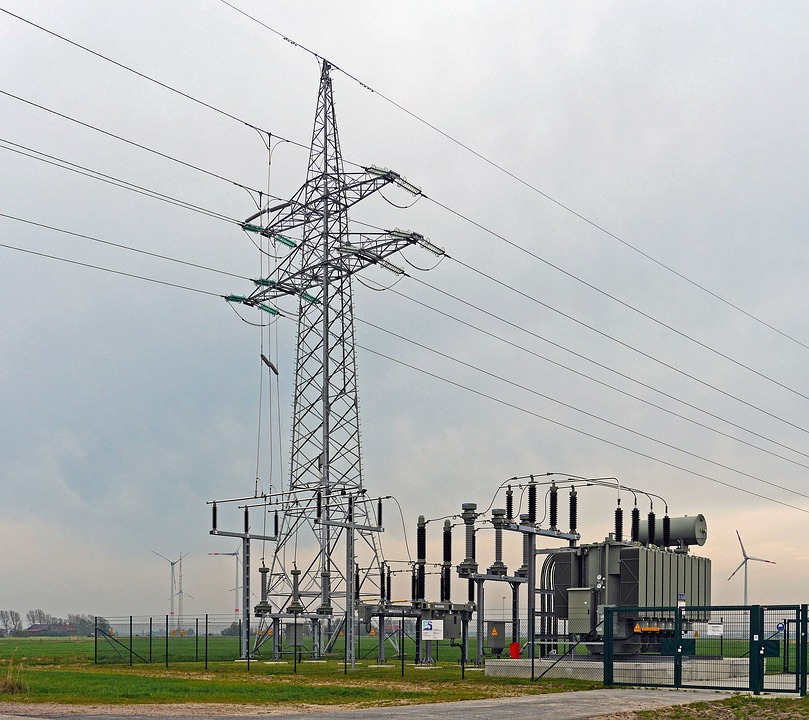
Grid connection services are a building block to connect the future energy sources — mainly renewable energy – onto the grid. This includes large-scale wind and solar power and small-scale combined heat and power systems, district heating plants, or biogas generators from homes or farms. Most often, these units operate intermittently, depending on weather conditions. Consequently, the grid has to be able to cope with these fluctuations in power production.
What are the benefits?
Grid connection services are essential for renewable power sources, becoming an increasingly important part of the energy supply. They make it possible to operate these units flexibly and cost-efficiently. Additionally, they facilitate the integration of weather-dependent fluctuations in power production into the grid. This way, electricity can be fed into the grid when there is a need for it. This will be especially important as more and more power comes from renewable sources, which are not available all the time.
What are the tasks of grid connection services?
Grid connection services provide an interface to integrate new energy technologies into the existing grid system. It offers different levels of voltage, frequency, and power quality control. The services also ensure that the grid is protected against overload, voltage fluctuations, and power outages. In addition, they allow users to safely switch off their units in case of emergencies such as storms or floods.
Grid connection services bring together different energy sources, see them through their development to commercial maturity, and encourage new technologies. They keep an overview of all power sources and can anticipate future needs and trends such as the electrification of transport.
How do I know if a grid connection service is required?
This depends on the size of your system. Grid connection services are needed for systems needing more than 100 kW (e.g., wind turbines, solar parks). Systems below this threshold might operate independently or use the electricity grid to feed into the network. Systems smaller than 100 kW, such as from a household or from a farm, can operate independently. You should prepare your power source to connect to the grid completely before it is commissioned. This includes steps such as finding an appropriate location and talking to local authorities about permissions.
Grid connection services are offered by electricity network operators who have to make sure that there is a power supply for everyone. They own the transmission and distribution grids, which transport power via high voltage lines to the point of connection injected into the distribution grid.