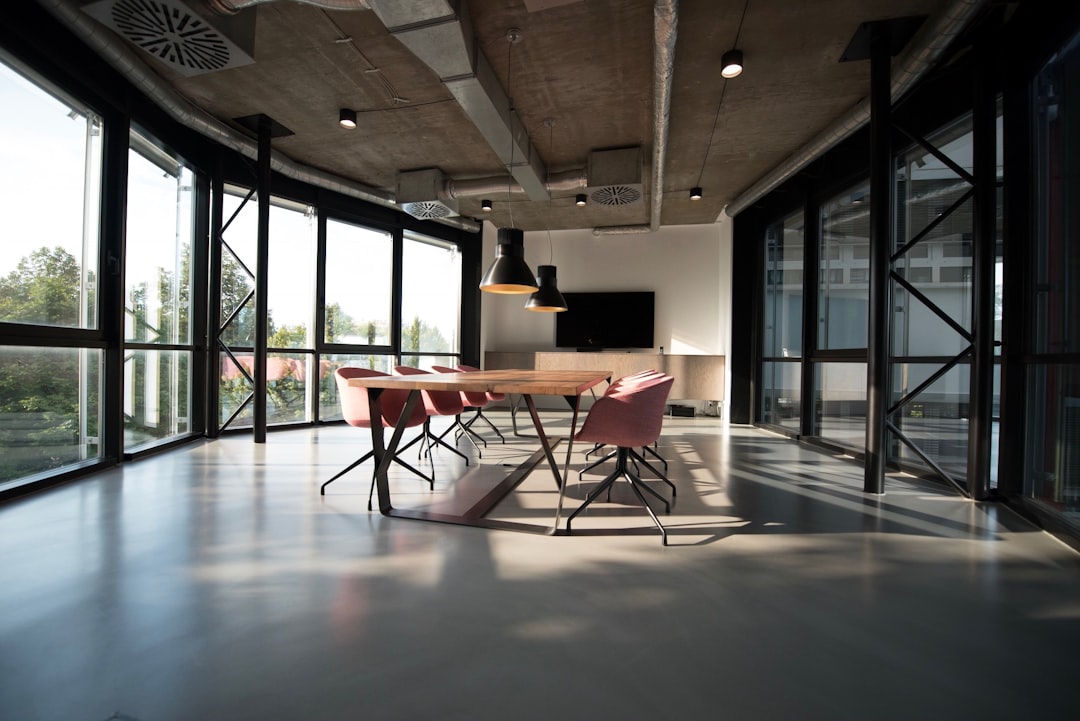

Knowing your options helps avoid costly mistakes. Desks, for example, vary widely. Standing desks promote movement, which some workers find energizing, while traditional desks often include drawers and storage for keeping things organized. Chairs range from ergonomic models designed to support posture during long hours to lightweight task chairs built for flexibility when switching workstations frequently. Each choice impacts comfort and efficiency.
Function beats form when selecting furniture. Think about how your team operates daily. If collaboration drives results, modular pieces that can be moved around easily will work better than permanent setups. If privacy matters more, consider partitioned desks that offer quiet zones without boxing people in completely. Observing how your staff interacts will point you toward furniture that fits their real needs.
Contemporary office furniture often combines style with health benefits. Many newer designs use sustainable materials and focus on ergonomics. Sit-stand desks are a prime example; they let employees alternate positions throughout the day, which can improve circulation and reduce fatigue. Such setups don’t just look good, they help create a healthier workplace where people want to spend time.
Plan your layout carefully. Open offices benefit from lighter colours and flexible seating because they encourage communication and keep the space feeling airy. Enclosed areas can handle darker shades and sturdier furniture that imply stability and focus. Pay attention to how colours and furniture choices work together to support the atmosphere you want.
Don’t overlook practical details like delivery schedules and assembly services. These factors often cause delays or frustration if ignored. Look for suppliers who provide clear timelines, warranty coverage, and easy return policies. It’s common for offices to underestimate the time it takes to get new furniture set up properly; factoring this in early prevents last-minute headaches. Checking paperwork like delivery receipts against the order also helps avoid errors.
Including your team in decisions brings real benefits. Employees know what works for them day-to-day better than anyone else. Getting their input early builds buy-in and reduces complaints later on. It also shows respect for their comfort and productivity, which can improve morale. Small things like asking about preferred chair types or desk heights save hassle down the line.
Taking these points into account will steer you toward furniture that suits your space and your people. Thoughtful choices lead to a workspace where everyone can focus and feel comfortable. For ideas tailored to your setup, visit office furniture fit out. To explore a variety of options suitable for different needs, check out .