
Silkscreen printing remains a top choice if you want colors to pop and last. The process involves forcing ink through a mesh stencil onto fabric. You get bold, sharp designs that don’t fade quickly. For example, if you’re making shirts for a company event, silkscreen can capture logos with crisp detail and consistent color. Just keep in mind the upfront setup requires creating screens for each color, which adds time and cost. It’s usually worth it only if you’re ordering in bulk.
Dye sublimation offers a different approach, ideal for all-over prints with full-color gradients and complex patterns. It uses heat to turn dye into gas, which bonds with polyester fibers. The result is vibrant, permanent colors that won’t peel or crack. Sports teams often pick this for their jerseys since player names and numbers stay bright through sweat and washes. However, it only works on polyester or polymer-coated materials, so fabric choice matters a lot here.
Embroidery gives shirts a refined feel by stitching thread directly into the fabric. It’s durable and has texture you can actually feel. This method suits staff uniforms at restaurants or corporate receptions where you want to signal quality and care. Embroidered logos or names tend to cost more per piece than printed ones but often outlast them by years. One practical tip: check how your design translates into stitches; overly fine details may get lost or increase time and cost.
Direct to Garment (DTG) printing is a digital method perfect for small orders or designs with lots of detail and color shifts. It sprays ink directly onto cotton fabric without the need for screens or plates. This makes it easy to customize individual shirts, like for an art fair where every participant wants something unique. DTG works best on 100% cotton but tends to be slower and pricier when producing large quantities.
Digital heat transfer printing involves first printing your design on special paper, then applying it to the shirt using heat and pressure. It’s quick and flexible, suitable for one-off prints or last-minute runs. For instance, a charity organizing a fundraiser might use this method to get shirts ready fast without sacrificing color vibrancy. However, transfers can sometimes crack or peel after repeated washes if not done correctly.
Vinyl printing cuts colored vinyl into shapes or letters, then presses them onto fabric with heat. This technique is known for its durability and shiny finish. It works best for simple text or logos rather than photos or gradients. Community groups often use vinyl to personalize shirts with member names or slogans because it holds up well through wear and washing. One practical detail: vinyl designs usually add some stiffness to the shirt area, which might affect comfort if used extensively.
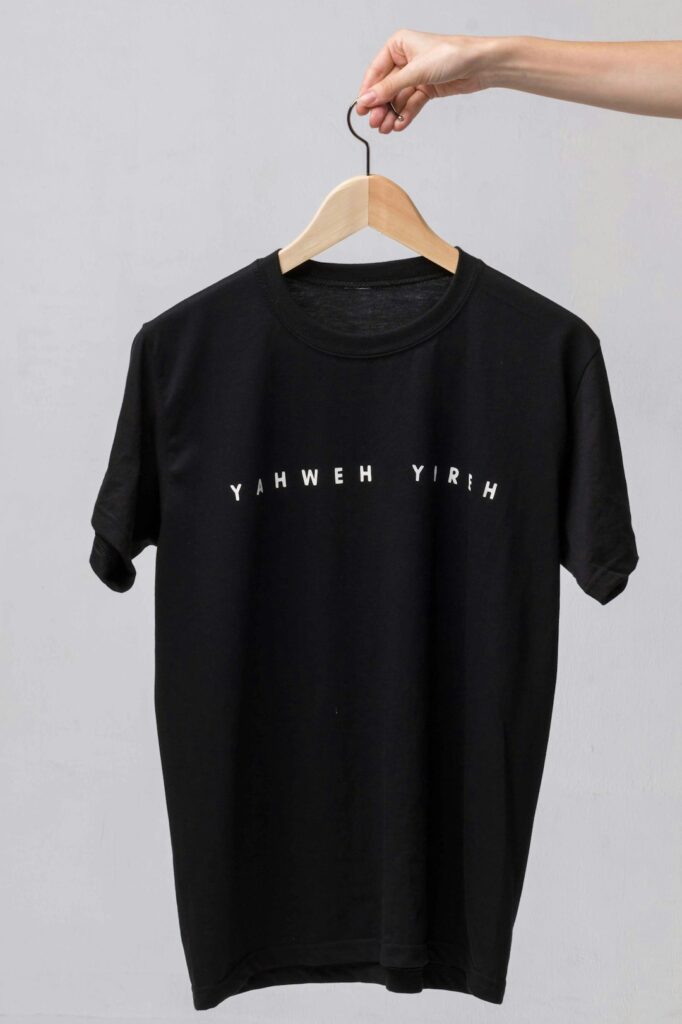
Choosing the right shirt design and printing method means balancing your needs against budget and timeline. You might want eye-catching colors with dye sublimation or a classy look with embroidery depending on your event’s tone. Before finalizing, always request samples from your printer to check color accuracy and fabric feel. Also, ask about turnaround times and minimum orders to avoid surprises. For detailed information about various printing techniques, visit class shirt designs. If you need advice on fabric types suited for each method, see . Thoughtful preparation makes custom t-shirts a memorable part of any event.