
Export market development starts by identifying where demand exists beyond your borders. It requires assessing economic conditions, legal requirements, and consumer habits in potential markets. Consider a business making sustainable packaging: Europe’s strong environmental regulations and consumer preferences create a promising opportunity. Still, the company must adjust to varied certification processes and packaging standards that differ widely between countries.
The initial phase is rigorous market research. This means digging into trade reports, government publications, and industry data to find countries with stable economies and space for new products. A software startup might find some Asian markets have rapidly growing digital infrastructure, creating fresh demand. Using tools like market trend analytics and customer segmentation helps refine these choices. Checking local competitor offerings and pricing strategies is critical, too.
After choosing a target market, firms must decide how to enter it effectively. Options include exporting directly, partnering with local distributors, forming joint ventures, or setting up subsidiaries. Each route has pros and cons. A food producer, for example, might team up with established distributors who understand local tastes and regulations, reducing risks related to misreading consumer preferences or compliance rules.
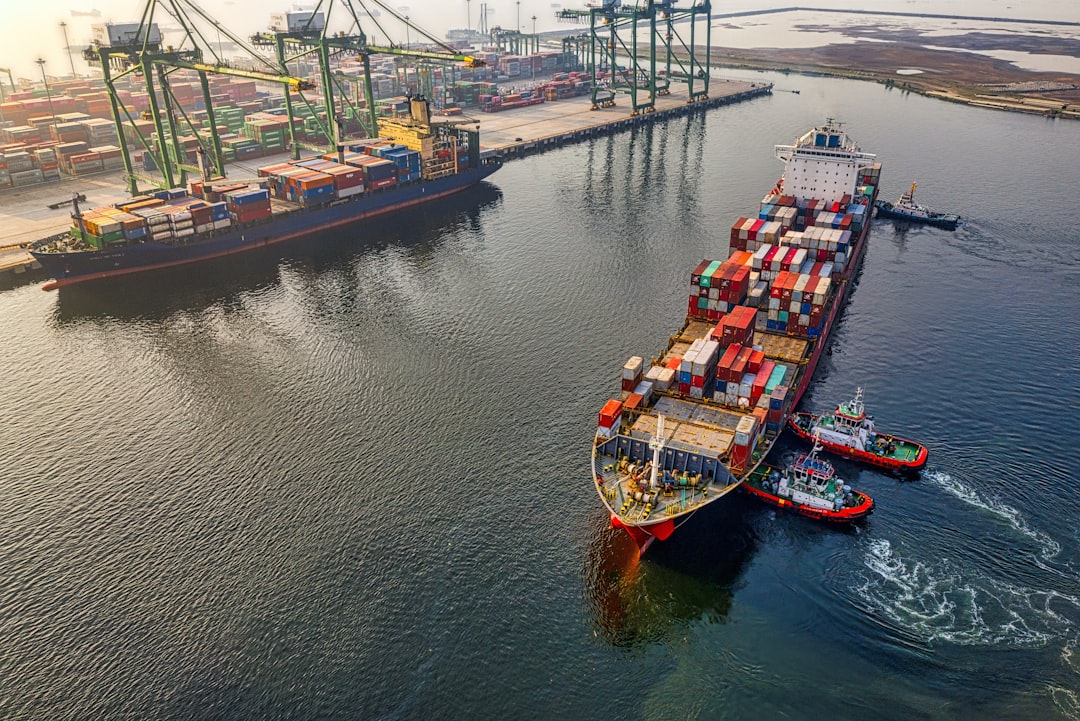
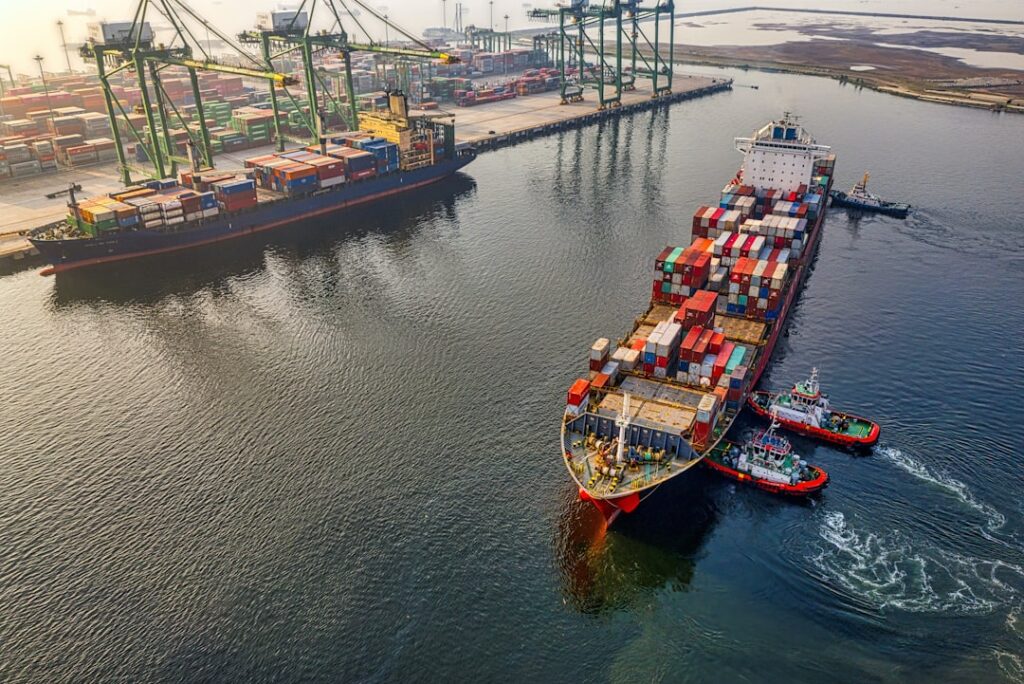
Logistics is another pillar of export success. Planning for customs paperwork, shipping schedules, storage capacity, and inventory turnover is essential. Seasonal demand shifts can throw off stock levels. For instance, a clothing retailer entering Canada needs to align shipments with winter seasons while preventing costly overstock or shortages. Regular communication with freight forwarders and customs brokers helps avoid delays.
Marketing needs fine-tuning for every market. This goes beyond translation, brands often must reshape their messages to fit cultural values and buying habits. A health supplement marketed for athletic performance in one country might need to emphasize general wellness or disease prevention elsewhere. Local marketing professionals can advise on appropriate channels and messaging nuances, preventing campaigns from falling flat due to cultural disconnects.
Building relationships with local players is vital. Attending trade fairs, joining industry associations, and engaging trade offices open doors to partnerships that smooth market entry. These networks can provide early warnings about regulatory changes or shifts in consumer behavior that a company might otherwise miss. Exploring resources like Export Market Development offers practical guidance on forging these connections.
Small details matter too. For instance, confirming that product documentation matches local language requirements can save weeks of customs hold-ups. Many exporters keep a checklist of common errors encountered during shipping preparation to prevent repeating mistakes. Regularly updating contracts with partners to reflect changes in tariffs or trade agreements also avoids costly disputes.
Effective export market development is about building a foundation that supports steady growth abroad rather than chasing quick sales wins. Demonstrating consistent success in foreign markets can enhance your company’s value to future buyers or investors. Taking a methodical approach today creates options for tomorrow’s business decisions. For insights on cross-border tax strategy and compliance, consult resources like international tax planning advice.