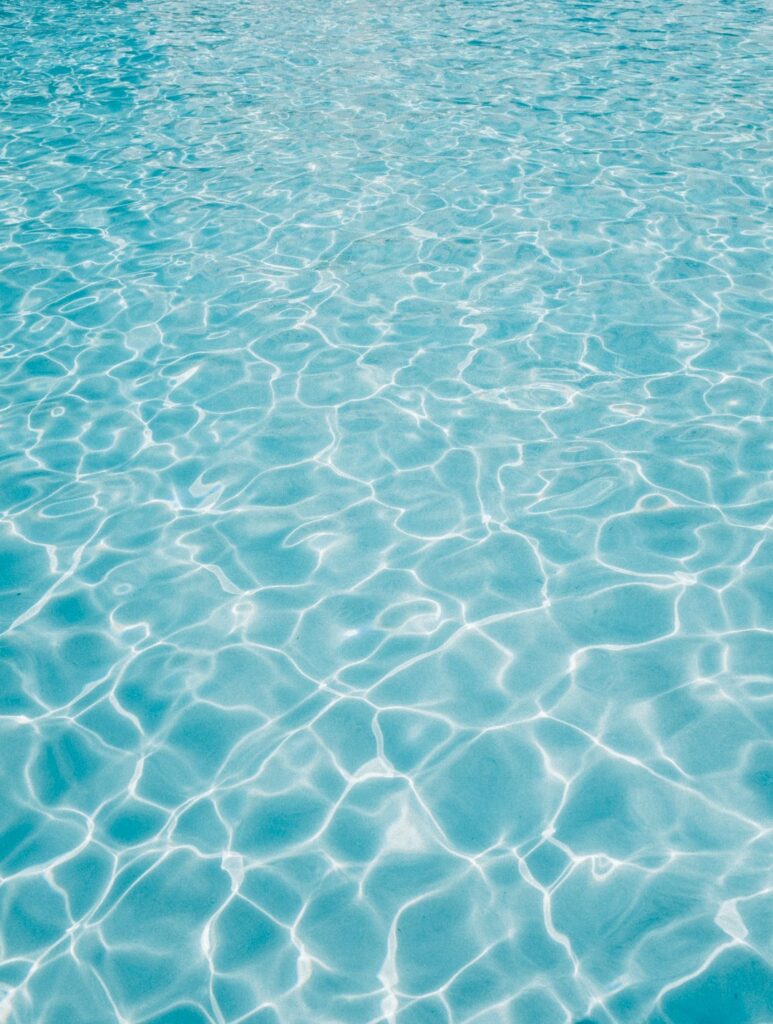

Sealants vary widely. Some form a waterproof layer on the surface, while others penetrate deep into the concrete to guard against moisture from within. Penetrating sealers typically require less frequent maintenance but might need reapplication every few years. Surface sealers can last longer but may chip or peel over time. It’s wise to review product labels carefully and choose one that fits your pool’s specific conditions and usage patterns.
DIY application is possible if you prepare properly. Begin by thoroughly cleaning the pool surface, removing dirt, algae, or old flaking sealant with a pressure washer or scrub brush. Uneven surfaces or leftover debris can cause poor adhesion and lead to early failure. After cleaning, apply the sealer evenly with a roller or sprayer according to the manufacturer’s instructions. Avoid applying in direct sunlight or when rain is expected shortly after, as this impacts curing.
Using a coverage calculator can prevent buying too much or too little sealer. This tool estimates how many liters you need based on your pool’s square footage and the product’s coverage rate. Applying too thinly wastes effort and reduces protection; too thickly wastes product and can create an uneven finish. Common mistakes include not allowing enough drying time between coats or skipping surface repairs before sealing.
Customer reviews often emphasize the importance of choosing a sealer designed for submerged use. Users report significant improvements in their pools’ durability and appearance after applying a quality concrete pool sealer. Many mention that following detailed instructions on cleaning and application made the process manageable even for first-timers.
Beyond sealing, routine inspection for cracks, chips, and discoloration helps catch problems early. Addressing minor damage before sealing ensures better adhesion and longer-lasting results. Pools treated regularly with sealant tend to show fewer signs of wear and maintain their visual appeal longer. Some professionals recommend sealing every two to three years depending on pool use and environmental exposure.
If you’re considering additional waterproofing or related products, plenty of resources are available to help you understand materials suitable for your project. Homeowners often find it helpful to consult guides on concrete repair products or water-resistant coatings for pool decks and surrounding areas to complement sealing efforts. For more information on maintaining your pool’s integrity, check out pool maintenance advice online.