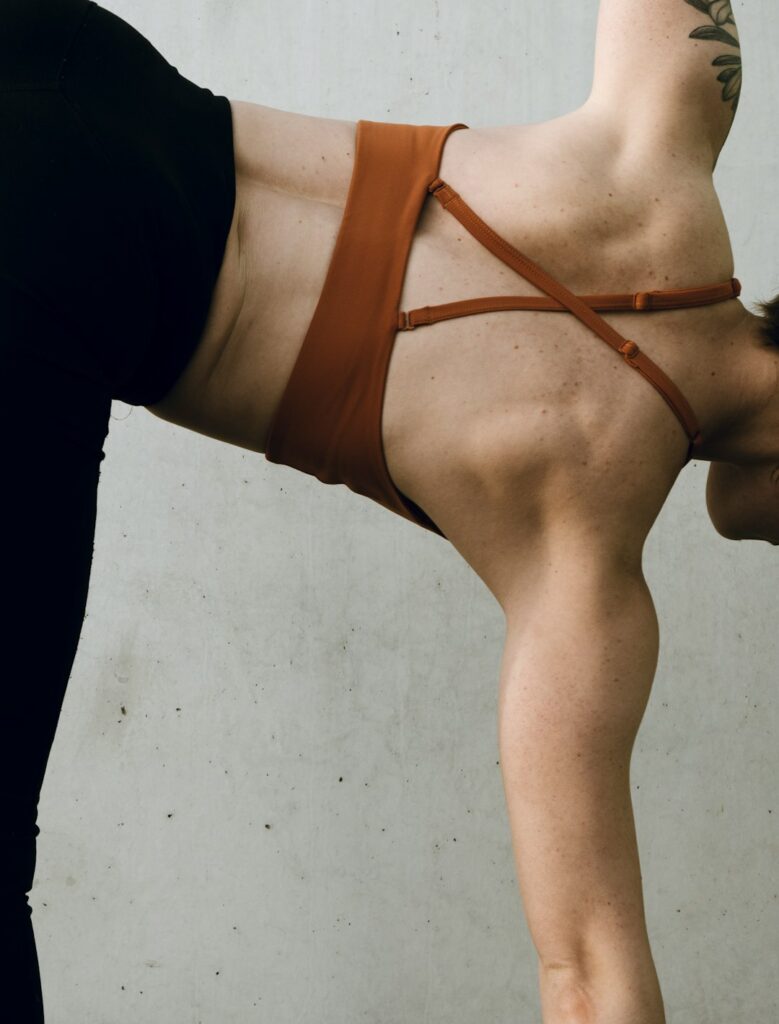

Physio pilates blends traditional pilates principles like controlled movement, core engagement, and flexibility with clinical physiotherapy methods. For example, if you have lower back pain from repetitive strain or poor technique, the program will focus on stabilizing your core, retraining your posture, and easing muscle tension. Exercises often include slow, precise movements that challenge weak muscles without aggravating injured tissues. A therapist might also use manual therapy between exercises to improve joint mobility or reduce muscle tightness.
Common issues like ankle sprains and shoulder impingements are frequent reasons people try physio pilates. These injuries often happen because of repetitive motions or skipping proper warm-ups and cool-downs. The method emphasizes controlled, deliberate actions that promote recovery while teaching you to move more efficiently. This approach helps restore normal movement patterns and reduces the risk of reinjury by building better joint stability and muscular control.
Breathing technique is a key part of physio pilates that many overlook. Proper breathing improves oxygen flow and helps relax muscles that tend to tighten under stress. During sessions, therapists coach you on coordinating breath with movement, which can aid in managing pain and increasing endurance during activity. Athletes who unconsciously hold their breath during exertion can find relief by relearning this pattern.
Booking a session is straightforward. Local clinics offering physio pilates often provide flexible appointment times to fit around your schedule. Therapists typically review progress every few weeks and adjust exercises as you improve. Consistency matters; missing sessions or rushing through exercises can slow recovery or cause setbacks. Keeping a simple log of your daily activities and symptoms can help communicate what’s working and what isn’t during follow-ups.
Group classes are available at some clinics and provide a supportive environment that pushes participants to stay committed. Being surrounded by others who share similar recovery goals creates motivation and accountability. It’s common for people to bond over small victories or frustrations during sessions, which helps keep morale up when progress feels slow. However, initial assessments and complex cases usually require one-on-one attention.
If you’re thinking about incorporating physio pilates into your rehabilitation, Glen Iris has options worth exploring. With expert guidance combining physiotherapy and pilates, you get a plan that targets your injury while improving overall function. For details on these programs, visit Physio pilates glen iris.
The goal is more than just healing; it’s about returning stronger and moving better than before. A thorough initial assessment followed by a gradual progression of exercises ensures you rebuild resilience without rushing or risking new injuries. Don’t hesitate to reach out for help, you deserve effective support on your path back to full activity. For more information on available services, check out rehabilitation options in glen iris.