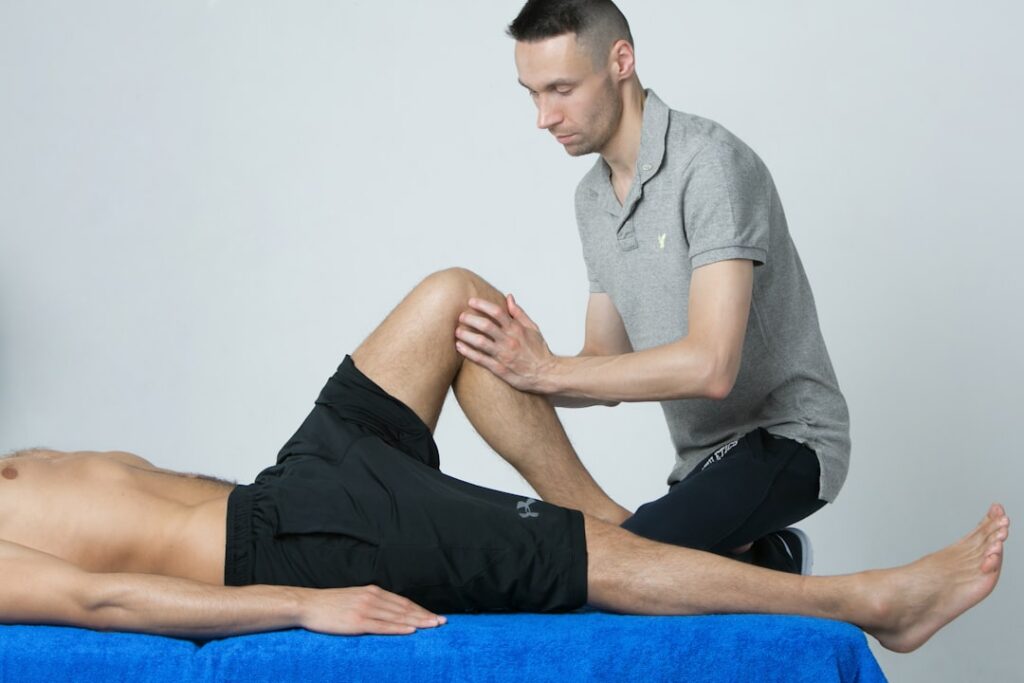

Exercise physiology is often overlooked during recovery but can make a big difference. This field studies how exercise affects body systems and helps create targeted routines that rebuild strength without causing harm. For example, controlled resistance training can promote muscle repair while improving joint stability. Stretching exercises prevent scar tissue from tightening, which keeps movement fluid and reduces pain.
Consider someone dealing with chronic knee pain from repetitive strain. Taking painkillers and avoiding movement might seem like the easiest solution, but it often worsens weakness and imbalance. A specialist trained in biomechanics can pinpoint which muscles aren’t pulling their weight and which joint movements cause stress. This careful analysis prevents treating symptoms alone and targets root causes instead.
Rehabilitation through focused strengthening exercises improves the muscles supporting the knee, easing pressure on the joint itself. Balance and coordination drills, known as proprioceptive training, help the brain relearn joint positioning, reducing the risk of further injury. These techniques are typically combined into personalized treatment plans that evolve with the patient’s progress.
Foot health also impacts overall mobility more than most expect. Problems like flat feet or poor alignment can cause the knees, hips, or lower back to compensate incorrectly, leading to pain and limited function. Podiatrists assess gait patterns and foot mechanics during walking or running to identify imbalances. Orthotics or specific exercises may then be prescribed to correct these issues and improve whole-body movement.
Active participation in rehabilitation often leads to better outcomes beyond physical recovery. Patients who take charge of their exercises tend to feel more confident and motivated. They notice improvements in endurance and strength week by week, which builds psychological resilience. Physiotherapists understand this connection and encourage self-management strategies, such as tracking progress in a journal or setting realistic goals.
At Peak Fitness, we recognize that no two patients are alike. That’s why we provide multiple services within one location, including exercise physiology concord, physiotherapy, and podiatry. Our team meets regularly to coordinate care, ensuring each treatment plan is both effective and adaptable. We also educate patients about their conditions, helping them understand why certain movements matter or why some activities should be paused temporarily.
Periodic reassessments are standard practice here; they help catch any issues early so adjustments can be made before setbacks occur. This approach keeps patients engaged and accountable throughout their recovery journey. The goal is clear: improved mobility, less pain, and better quality of life through practical, evidence-based methods.
We encourage everyone recovering from injury or managing chronic pain to consider a well-rounded therapy program. It’s not just about easing discomfort but rebuilding function for everyday life tasks like climbing stairs or carrying groceries without fear of pain flare-ups. For tailored advice on managing movement difficulties, visit rehabilitation services in sydney.