
Factories also gain a lot from barcode scanning technology. On assembly lines, workers scan parts at each stage of production, tracking movement without stopping the flow. This real-time data reveals any slowdowns or stock shortages immediately, helping supervisors adjust schedules or reorder supplies faster. A common issue is mismatched part numbers, which scanning prevents by verifying each item as it moves. Maintenance teams rely on this data to plan repairs around production cycles, minimizing downtime.
Shopping has changed a lot with barcode technology. Retail staff use handheld or fixed scanners at registers to speed up checkouts, keeping lines short and customers happy. Some stores offer self-service kiosks equipped with barcode scanner units that let shoppers scan items themselves, check prices, or update shopping lists. These kiosks reduce staff workload during peak hours and give customers a sense of control. Cashiers often double-check scanned items against receipts for accuracy before finalizing sales.
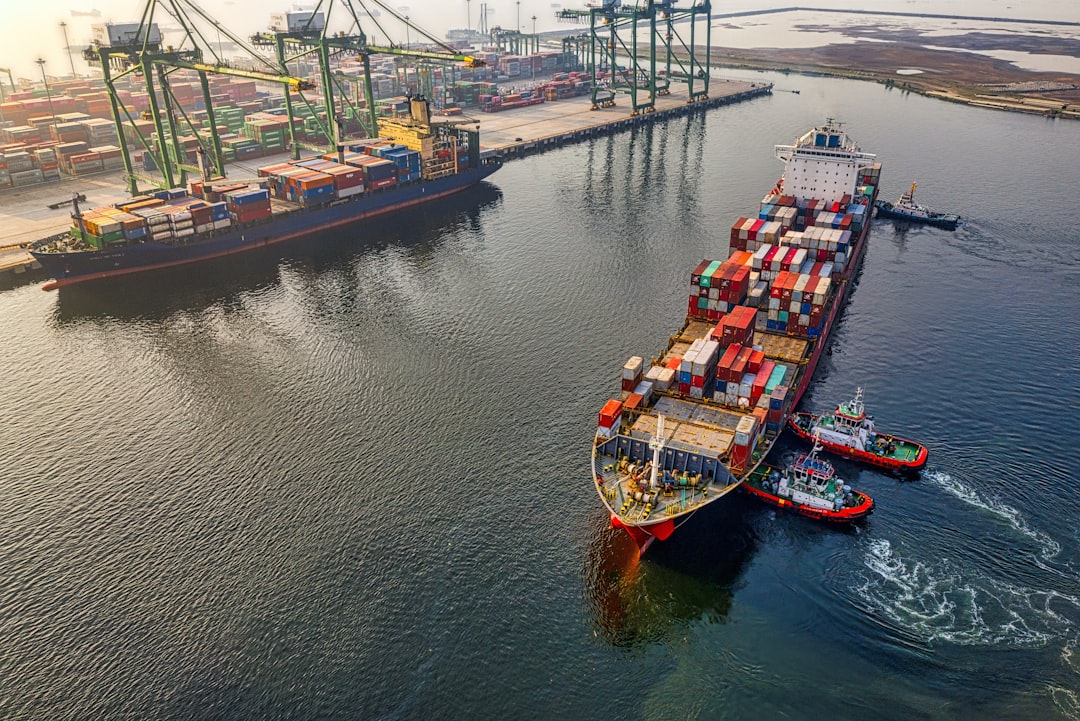
In logistics and warehousing, barcode scanners cut down on manual data entry. Workers scan packages upon arrival and dispatch, ensuring inventory counts stay accurate without extra paperwork. This reduces errors like double counting or missed shipments. Warehouse managers monitor incoming data to spot delays or misplaced goods quickly. Drivers often carry portable scanners to verify deliveries on site, which speeds up the entire supply chain.
NUMA offers several barcode scanning products tailored for different tasks. The DT-90F is designed for fast scanning in clinical settings where speed and accuracy matter most. The DT-90 handles medical equipment tracking with precision to avoid mix-ups in surgical tools or supplies. For retail environments, the DT-80 self-service POS kiosk scanner enables customers to handle transactions independently, cutting wait times. These devices support both 1D and 2D codes, covering a wide range of scanning needs.
Mobile screen and paper readers that process both 1D and 2D barcodes are increasingly popular across industries. Event organizers use mobile scanners to check tickets quickly at entrances, speeding up crowd flow while maintaining security standards. Retailers appreciate mobile readers for their flexibility on shop floors or during inventory audits. These devices help businesses adapt to evolving barcode standards and consumer habits without overhauling existing systems.
Choosing the right barcode scanner depends on what you need it to do. Speed matters in hospitals and factories; accuracy is critical in logistics; user friendliness counts for retail self-service. Investing in the right model can reduce errors, save labor hours, and improve customer satisfaction significantly. To explore options that fit your exact operational setup, you might want to find scanners for different uses and compare features carefully.