
Location brings practical trade-offs. A beach offers an open horizon and a distinctly coastal setting, yet wind, glare, sand, and busy access can test young children and formal clothing. A neighborhood park may provide shade, trees, benches, and easier walking for grandparents, although its background may feel less unique. A home session cuts travel and can help a toddler stay comfortable, but rooms may be narrow or unevenly lit. Check the route, parking, walking distance, restroom access, and surface conditions before choosing. A nearby, level site may serve a baby and a wheelchair user better than a dramatic viewpoint reached by a long path.
Time of day affects both expressions and light. Golden hour refers to the period shortly before sunset, when the lower sun often produces softer illumination and less severe facial shadow. Evening is not automatically best if children become hungry or overtired after dinner. An early morning appointment may offer gentle light and calmer behavior, particularly for families with early risers. Ask how long the session usually lasts, whether breaks are expected, and what happens if clouds, rain, or strong wind change the plan. Put the appointment on the family calendar beside nap times and meals, then pack a snack that will not stain clothing.
Clothing should coordinate without turning the group into a uniform. Choose a small range of colors and vary fabric, pattern scale, and tone so each person remains distinct. Large logos, very tight stripes, and shoes that hurt after a short walk can distract from otherwise useful images. Lay every outfit out together a day ahead and photograph the arrangement with your phone; that simple check can reveal one bright item or competing pattern before anyone is dressed. Bring a spare shirt for a child, a brush, water, and a familiar comfort item. Vacation sessions call for movement-friendly clothes, while a formal wall portrait may suit simpler outfits and a controlled background.
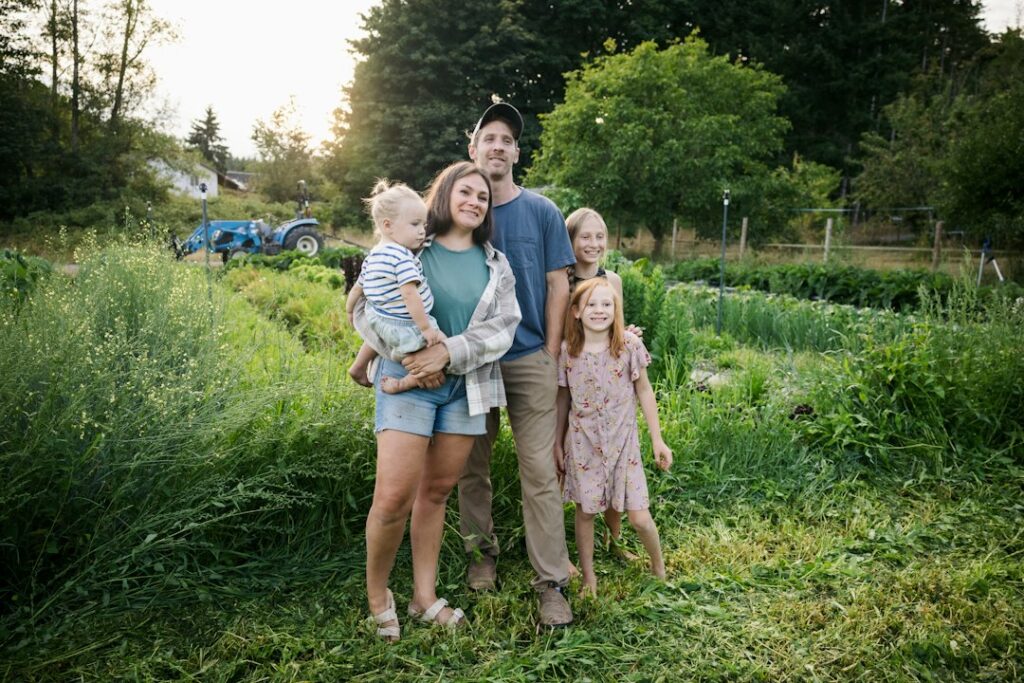
Strong family coverage includes more than everyone facing the lens at once. A photographer may direct a few traditional arrangements, then use conversation, walking, a game, or a shared task to draw out natural interaction. Discuss how height, mobility, and attention span will be managed. An extended family could begin with one full-group portrait before moving to grandparents with grandchildren, siblings, and smaller household combinations while energy is still high. A shy preschooler may respond better to a short walk than repeated requests to smile. Parents can help by following direction, keeping phones away during the session, and allowing a few quiet seconds for the child to adjust.
Basic camera terms can make the planning conversation clearer. Aperture describes the lens opening; a wider opening may soften the background, while a narrower one can keep more people acceptably sharp. Shutter speed controls how long light reaches the sensor, and a faster setting can help record a running child without as much motion blur. ISO raises the camera’s sensitivity in dim conditions, though higher settings can show more grain. White balance helps keep skin from appearing overly blue in shade or orange under warm light. These settings are adjusted for the scene, distance, movement, and group size, so a photographer may choose different combinations throughout one session.
Before paying a deposit, read the pricing and session information closely. Confirm whether the fee includes planning, the shoot, image selection, editing, and digital files, or whether some services are separate. Ask how many people may attend, how rescheduling works, whether personal printing is allowed, and when the finished gallery will arrive. Editing commonly covers exposure, color, contrast, cropping, and distracting details; it does not necessarily mean changing every expression or removing every ordinary imperfection. After viewing san diego family sessions, compare the photographer’s handling of light, skin tones, group arrangements, and movement with your family’s needs, budget, and available time.