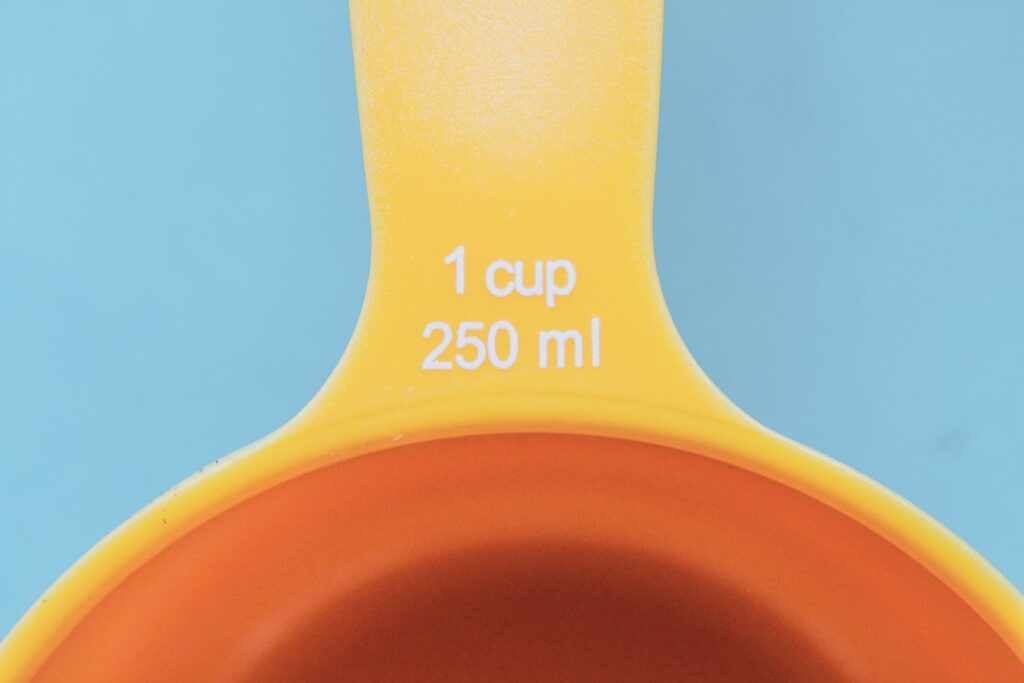

Specialized measuring pitchers offer a practical upgrade. These pitchers have clear, accurate markings allowing chefs to measure exact volumes quickly. A pastry chef, for example, counts on precise flour and sugar quantities; even minor errors can wreck delicate pastries. Switching to measuring pitchers helps maintain quality across batches. Their transparent design reduces guesswork, making it easier to double-check amounts before adding ingredients.
Weight and volume don’t always line up in cooking. One cup of flour weighs less than one cup of sugar because of density differences. Relying solely on volume can cause problems in recipes where balance is key. Some measuring pitchers combine volume markings with weight measurements, letting chefs confirm both at once. This dual approach eliminates guesswork and improves consistency, especially in busy kitchens where speed and accuracy must coexist.
Look for features that make measuring pitchers easy and safe to use. Spill-proof lids help prevent messy accidents when pouring, saving cleanup time and reducing slip hazards. Ergonomic handles provide a comfortable grip, reducing hand fatigue during repetitive tasks. These design choices matter in fast-paced environments where every second counts and safety cannot be compromised. A well-designed pitcher keeps the kitchen moving smoothly without frequent interruptions.
Custom branding on measuring pitchers can benefit food businesses beyond the kitchen. Adding logos or company colors turns simple tools into marketing assets. Staff take pride in using branded equipment, which reflects attention to detail and professionalism. Customers notice too; branded gear conveys quality and care behind the scenes. For restaurants or catering companies, this small touch reinforces brand identity while supporting daily operations.
One food service company saw improvements after adopting precise measuring pitchers. Incorporating these tools into routine prep reduced ingredient errors and minimized waste. Consistency improved across multiple locations, helping maintain the same taste customers expect everywhere. Reducing mistakes also lowered food costs, a practical benefit any kitchen values. The switch wasn’t flashy but made a real difference in efficiency and product quality.
If you want to try these measuring pitchers yourself, samples are available in sizes from 4 oz to 128 oz. Testing them hands-on shows how they fit into your workflow and improve accuracy with dry ingredients. Whether handling small spices or large quantities of flour, there’s a size that matches your needs. Trying before buying helps avoid surprises and ensures the tool works well in your specific kitchen setup.
Precise measurement matters whether you’re dealing with liquids or dry goods. These pitchers are built for both, with thoughtful design that supports a chef’s everyday work. Measuring correctly from the start reduces rework and wasted ingredients, keeping kitchens efficient and dishes consistent. For more details on these tools designed for culinary use, check out dry ingredients measuring cups.
Reliable tools make all the difference in food prep. For information on additional kitchen equipment and supplies, visit commercial kitchen supplies online.