
Pain felt in the neck may be referred from nearby structures, so the sorest spot does not always identify the source. A physiotherapist may check neck rotation, posture, shoulder movement, strength, reflexes, and sensation. They also ask about work, exercise, sleep, and recent injury. Someone who spends the afternoon at a laptop might develop an ache near the shoulder blade because sustained screen work is loading certain tissues, not because a vertebra has slipped out of place. Keeping a short note of activities that increase or ease symptoms can make the first appointment more useful.
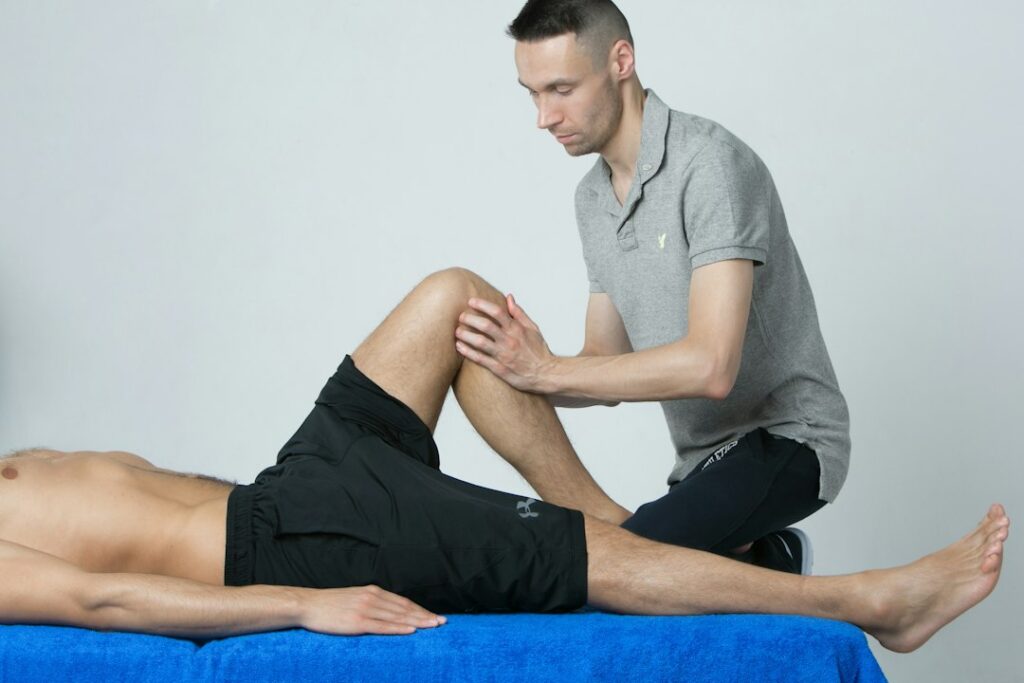
Hands-on care can have a place when it supports a clear movement goal. Gentle joint mobilization uses controlled pressure, while soft-tissue work may reduce protective muscle tightening for a time. Neither approach should replace active rehabilitation. Repeated cracking, aggressive massage, or passive treatment alone can leave the pattern that provokes pain unchanged. A practitioner may reassess your ability to turn, reach, or look down after treatment, then change the plan if symptoms intensify or spread. The response matters more than using a particular technique because it is familiar or popular.
Neck exercises are usually started at a level you can repeat without a marked flare. A chin tuck involves drawing the head gently backward while keeping the gaze level, rather than forcing the chin toward the chest. This can help practice control of the deep neck muscles. Other exercises may target shoulder blade endurance, upper-back rotation, or comfortable neck range. If lifting at the gym brings on symptoms, lighter weight, slower repetitions, and a shorter range may be sensible before returning to heavier work. Stopping every activity is not automatically better than modifying the load.
Your routine can reinforce recovery between appointments. Holding a phone between your ear and shoulder, using a laptop far below eye level, or remaining in one position for hours can repeatedly irritate the same area. Aim for variety rather than a rigid posture held all day. Raise the screen when practical, support your forearms, change tasks, and take brief movement breaks before discomfort builds. A remote worker may feel fine at breakfast but develop neck ache or a headache by late afternoon. Moving the upper back for a minute between meetings is often more useful than one intense stretch at night.
Some symptoms call for prompt medical advice instead of routine exercise. Seek urgent care for new or worsening weakness, increasing numbness, loss of coordination, a severe headache unlike your usual headaches, fever with pronounced neck stiffness, or symptoms after significant trauma. Tingling, altered sensation, or weakness traveling down an arm may indicate nerve involvement and should be assessed. A physiotherapist can screen for concerning features and refer you when appropriate. Persistent pain, repeated episodes, dizziness, or pain that disturbs sleep also deserves a careful review. Do not assume every headache is caused by posture.
A practical plan may combine mobility work, strengthening, manual therapy, dry needling, taping, or a gradual return to sport when those options fit the assessment. Ask what each treatment is meant to change and how progress will be checked. Useful measures might include turning your head while driving, sleeping with fewer interruptions, working through an afternoon, or completing a workout without a later flare. If you are comparing local physiotherapy guidance, choose a service that explains its findings plainly, records your goals, and gives you manageable steps to practice between visits.