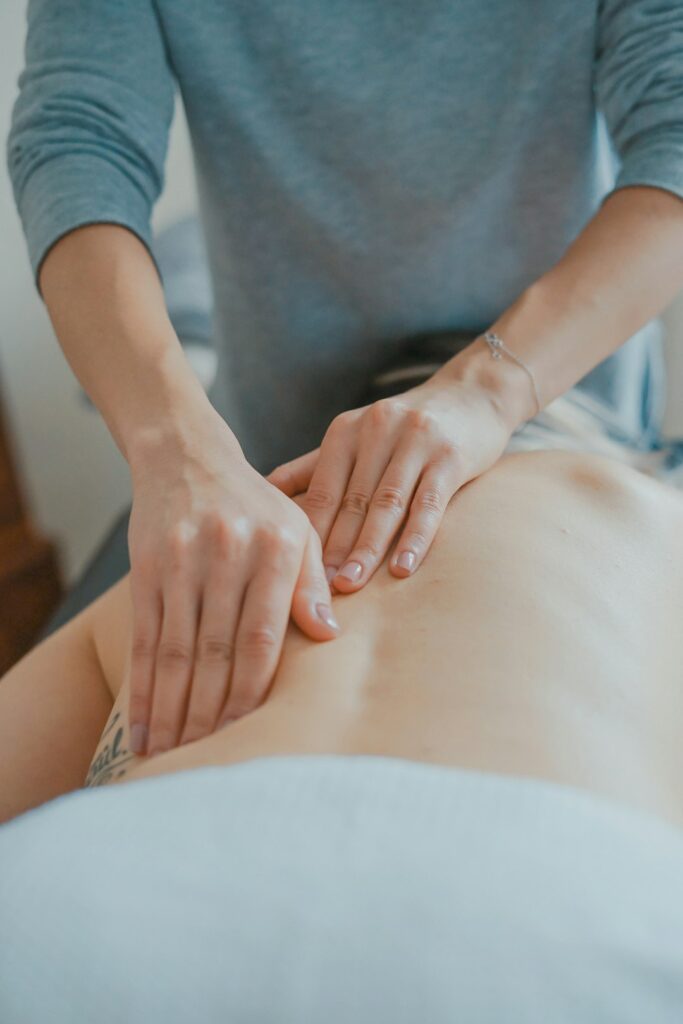

A physiotherapist will usually examine how you walk, climb a step and balance briefly on one leg. They may compare hip strength, observe knee position and assess movement in the lower back and hip joint. These checks matter because pain referred from either area can resemble outer-hip pain. The practitioner may ask which side you sleep on, how far you walk and whether symptoms change after activity. Bringing a short note of painful movements, recent exercise changes and sleep disruption can make the first appointment more useful and reduce guesswork.
Greater trochanteric pain syndrome is a term often used for pain around the bony point on the outside of the hip. It may involve the gluteal tendons, the bursa or both, so treatment should match the findings. Complete rest can calm symptoms for a short time, but several inactive weeks followed by a sudden return to running, gardening or long walks can trigger another flare. A better early approach is to reduce the most provocative load while retaining comfortable movement. Shorter walks, flatter routes and fewer repeated stairs may help without removing activity altogether.
Compression is a frequent, overlooked aggravator. Lying directly on the sore side, crossing the legs for long periods or standing with the pelvis dropped towards one hip can increase discomfort. A pillow between the knees may make side sleeping easier, while back sleeping with the legs comfortably supported is another option. Deep stretches and forceful rolling over the tender area are not automatically helpful and may irritate it. At work, someone at a shop counter could alternate weight between both feet instead of resting on one side. These small changes are usually tested, not imposed permanently.
Exercise normally forms the foundation of rehabilitation. A starting exercise might involve gently pressing the knees out against a belt or holding a supported bridge, with the effort adjusted to remain tolerable. Later, a programme may include step-ups, controlled sit-to-stands or side-lying strengthening, depending on the assessment. Graded loading means increasing resistance, repetitions, walking distance or hills in modest stages. Hands-on treatment can sometimes improve comfort or movement, but it works best alongside strengthening and activity planning. The practitioner should explain what each exercise is for, how often to do it and what response would justify changing it.
Consider a person whose outer-hip pain began after adding several weekly walks while carrying a heavy backpack. Stopping completely, then restarting at the old distance, may produce the same problem again. A more measured plan could use shorter, flatter walks, a lighter pack and progressive hip exercises. Checking symptoms later that day and the following morning gives useful information. Mild discomfort that settles may be acceptable, whereas a clear increase that lingers suggests the session was too demanding. A simple calendar record of distance, hills, pain and sleep can help the physiotherapist adjust the next stage rather than repeatedly starting over.
Arrange an assessment if symptoms persist, keep returning or interfere with sleep, work or exercise. Prompt medical advice is appropriate after a significant fall, if you cannot bear weight, or if marked swelling, fever, unexplained weight loss, numbness or progressive weakness is present. Recovery differs according to the irritated tissues, symptom sensitivity and everyday demands. A mandurah physiotherapy clinic can help establish a working explanation and practical targets. Useful progress may appear as easier stair climbing, longer comfortable walks or better sleep, even before every sensation has disappeared.