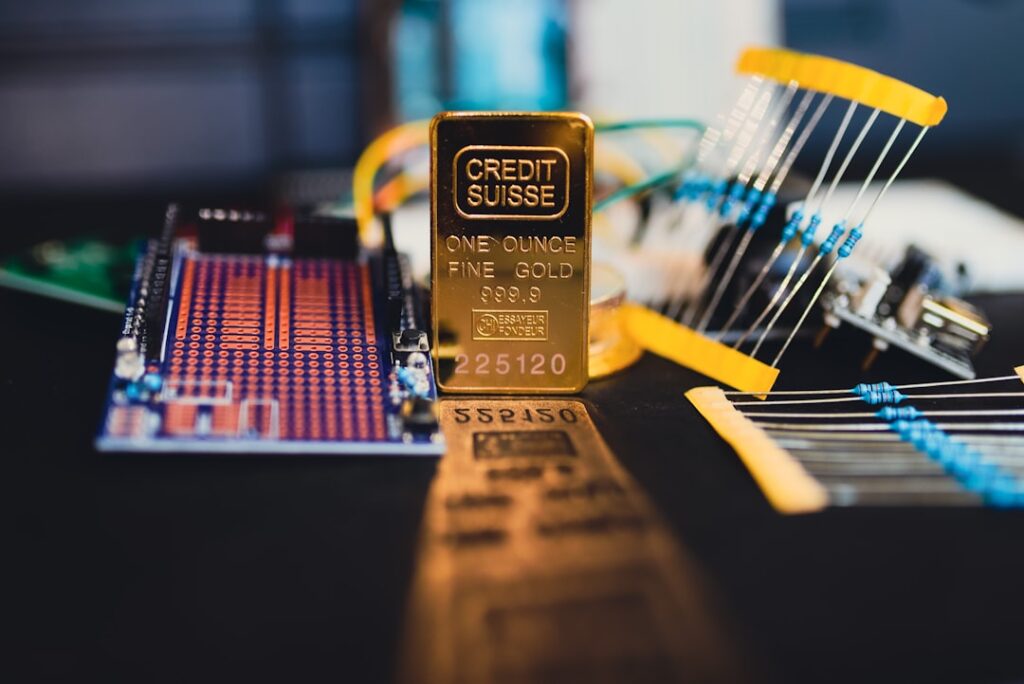

Silver bars usually come in set weights, from one ounce up to 100 ounces. They’re almost always .999 pure silver, which means 99.9 percent silver content. This high purity makes them attractive, but it also means you need to check authenticity carefully. Dealers who provide certificates of authenticity are generally safer bets. Counterfeit or substandard bars pop up occasionally, so verifying the source and documentation can save headaches later.
Storage is a practical concern that often gets overlooked. Unlike digital assets, silver bars require physical protection. Many investors rent safe deposit boxes at banks or use private vaults specializing in precious metals. Some keep bars at home in heavy-duty safes with fire and theft resistance. Each choice comes with costs and risks. For example, home storage might save fees but increases the risk of theft unless you invest in proper security systems.
The silver market moves on several factors. Industrial demand is significant since silver is used in electronics and solar panels. Political instability can push prices up as investors look for safe havens. Currency fluctuations also matter because silver is priced in US dollars internationally. During economic uncertainty, demand spikes, which can drive prices higher. Keeping an eye on these influences can help you time purchases or sales more effectively.
Finding a trustworthy dealer is more than just comparing prices. Online platforms often offer clear pricing and product details, but some sellers have better reputations over decades of business. For instance, if you check silver bullion bars online, you’ll notice price differences that reflect dealer premiums and shipping costs. It’s wise to read customer reviews and confirm the dealer’s return policy before committing.
Liquidity matters because you want to be able to sell your silver when needed without hassle. Bars are generally easy to trade worldwide thanks to their standardized weights and purity marks. However, very large bars sometimes take longer to find buyers despite offering better per-ounce prices. Smaller bars sell faster but might carry higher premiums. Condition also affects resale value, scratched or damaged bars may fetch less.
Tax issues can catch investors off guard. In many countries, profits from selling precious metals count as capital gains and must be reported. The rules vary widely, so consulting a tax advisor who knows local precious metals regulations is a good idea. Keeping detailed purchase records and receipts will simplify tax reporting and help avoid surprises during audits.
One practical habit among seasoned investors is regularly updating their knowledge about market trends and storage options. Silver prices can swing suddenly based on global events, so staying informed prevents rash decisions. Also, double-checking purchase paperwork immediately upon delivery helps catch errors early, like incorrect weights or missing certificates. These small steps reduce costly mistakes.
Understanding silver bullion bars beyond just their shiny surface gives you an edge. From purity verification and secure storage to market awareness and tax compliance, each piece fits into a bigger picture of smart investing. If you want options that work for your goals, consider reliable sources like international silver investment advice that provide clear information tailored to your needs.