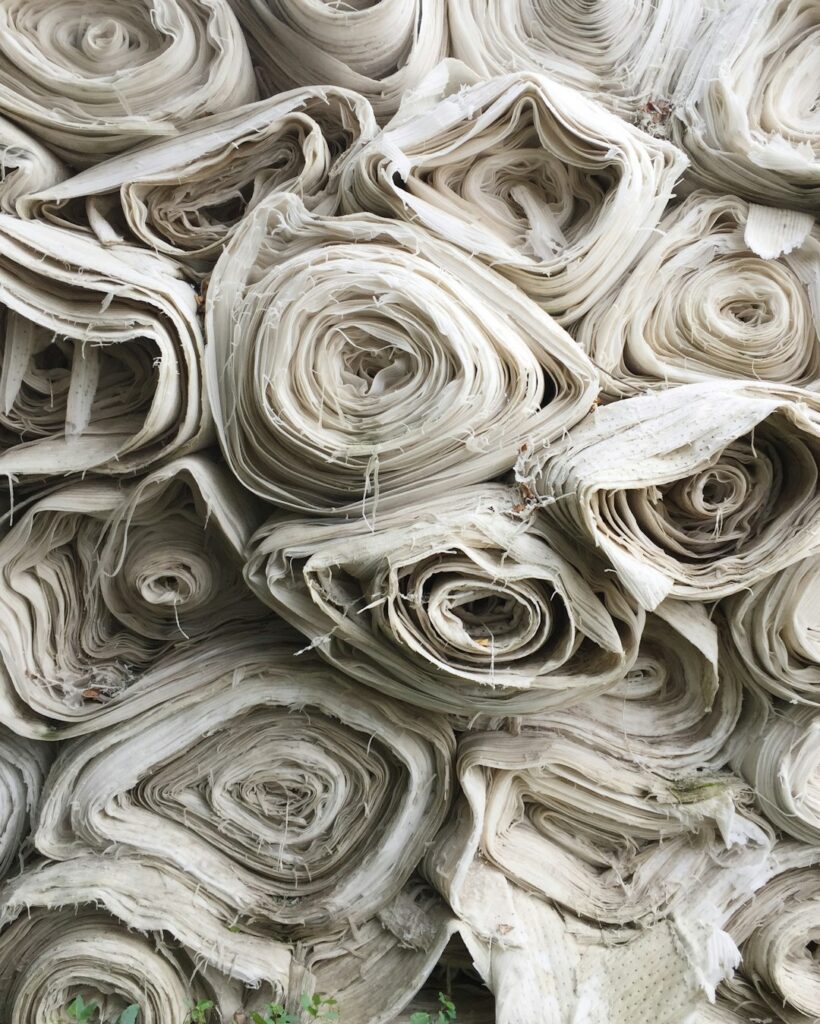

Sorting is more technical than putting cotton in one bin and polyester in another. A textile’s fiber content, color, finish, seams, and accessories all affect what can happen next. Feedstock is the industry term for material entering a recycling process, and clean, consistent feedstock is easier to process than a tangled mixture of garments. Zippers, buttons, elastics, and prints may need removal or special handling. Even moisture and contamination can reduce the usefulness of recovered material. That is why a clear inventory of what is leaving a factory or store often matters as much as the recycling equipment itself.
Fiber-to-fiber recycling means breaking down excess or end-of-life textiles into fibers that can become material for new garments. In mechanical recycling, machines physically open or pull fabric apart into shorter fibers. This route can be straightforward, but repeated processing may affect fiber length and strength. Chemical recycling uses a different principle: a solvent or chemical reaction separates or dissolves particular components so they can be formed into new material. The right method depends on the input. Neither route makes poor sorting irrelevant, and neither should be treated as a magic eraser for wasteful production.
Consider a cotton-polyester work shirt. Its blended construction may resist a simple recycling route because two different fiber types are locked together. A pure cotton cutting-room scrap is a more predictable input, while a printed, elasticized garment with metal hardware requires more preparation. This distinction has a direct business consequence: product specifications should record fiber composition and trims before goods are made, not only after they become waste. Designing for disassembly, using fewer incompatible finishes, and keeping scraps separated can improve future recovery without waiting for a new machine or a perfect recycling system.
Manufacturers also need to distinguish pre-consumer and post-consumer material. Pre-consumer waste includes scraps and excess fabric generated before a product reaches a customer. It is often more uniform and easier to identify. Post-consumer textiles have been worn, washed, repaired, and mixed through household collection, so their condition varies widely. A retailer clearing unsold inventory can create a controlled stream by preserving product records and removing unsuitable items. A community collection program faces a messier challenge. Both streams matter, but they should not be measured or managed as though they were interchangeable.
Recovered fibers are not automatically equivalent to virgin fibers, so output quality deserves honest attention. A recycling program should define the intended use of its output, test relevant properties, and match claims to evidence. Traceability means keeping a record of where material came from, how it was processed, and what it became. That record helps a buyer assess consistency rather than relying on a vague recycled label. For companies evaluating fiber recycling processes, the useful questions are concrete: What inputs are accepted? What preparation is required? What output materials result? Can the material perform in the proposed application?
Consumers can help by keeping usable clothing in use, donating selectively, and following local collection guidance instead of treating every textile as ordinary garbage. Businesses have greater leverage, however, because they choose materials, volumes, packaging, and product lifecycles. Their strongest move is not a glossy recycling promise; it is reducing unnecessary production while making the remaining stream cleaner and more recoverable. Fiber-to-fiber systems are a meaningful tool for excess and end-of-life textiles, particularly when paired with repair, resale, durable design, and disciplined sorting. Waste reduction works best when recycling is built into the product plan rather than added after disposal has already begun.