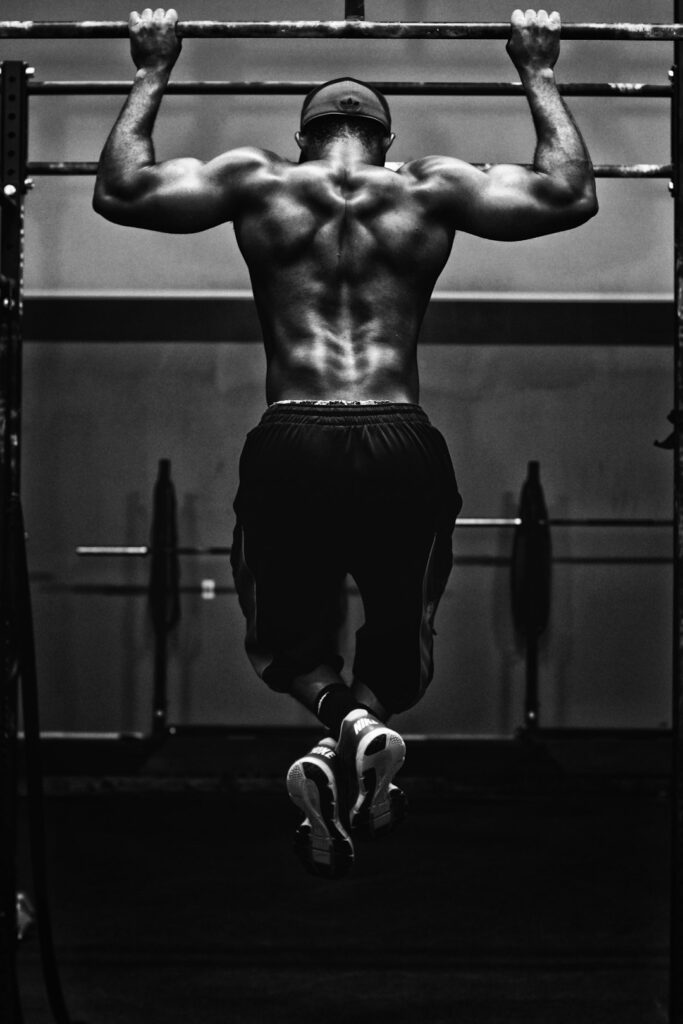

A studio class, strength workout, and trail run place different demands on clothing. Yoga and mobility work call for four-way stretch, a stable waistband, and fabric that stays opaque through deep bends. Lifting sessions benefit from tops that allow shoulder movement without hanging into a bar path, plus shorts that do not twist during lunges. Running adds repeated impact, sweat, wind, and the need to carry a phone or key. A garment that performs well indoors may feel inadequate outdoors, so separate your wardrobe by activity instead of expecting one outfit to cover every training day.
Fit should be tested in the positions you use most. For leggings or shorts, perform a squat, hinge at the hips, step into a lunge, and sit briefly. Watch whether the waistband rolls, the fabric pulls across the seat, or the crotch seam shifts. A drawcord can help fine-tune fit, but it should not create a hard knot that presses into the skin. On tops, raise both arms, rotate the shoulders, and reach forward. If the hem rides sharply upward or the armholes cut into the underarm, the problem will be more noticeable after several sets.
Fabric choice affects comfort across the full session. A lightweight synthetic blend often dries faster than a heavy cotton jersey, which can hold moisture against the body after repeated effort. Stretch recovery matters too. Pull the fabric gently and see whether it returns to its original shape rather than staying slack. For warm indoor training, a breathable knit and modest fabric weight may feel better than a thick compression layer. In cool or wet conditions, look for a surface that resists light moisture and a base layer that does not become clammy under an outer shell. Check the care label before buying, since high heat can damage elasticity.
Construction details deserve the same attention as the fabric name. Flat seams can reduce rubbing in places where a standard raised seam would press during repeated motion. A gusset can give the legs more room to move, while a shaped waistband may sit more securely than a simple strip of elastic. Inspect pocket placement before a run: a phone pocket should hold the device close to the body, and a key pocket should close securely so its contents do not bounce out. For tops, check whether the shoulder seam sits where it will meet a backpack strap or barbell rather than directly on a pressure point.
Outdoor training adds practical concerns that a mirror cannot reveal. A running layer should leave enough room for the arm swing and for a thin base layer underneath. A close-fitting hood may stay put in wind, but it should not restrict peripheral vision. Thumbholes can keep sleeves in position during warm-up, though they are less useful if the opening feels tight around the hand. Reflective details may improve visibility in low light, but they do not replace a light or safe route. Before a long outing, test every pocket with the items you plan to carry and walk, jog, and bend in the complete outfit.
A small pre-purchase routine prevents much of the rework that follows a poor fit. Read the garment measurements rather than relying only on a familiar size, then compare them with a pair of bottoms or a top you already use comfortably. If possible, try the outfit with the shoes and sports bra you normally wear, because waist and hem positions can change once other layers are involved. Keep the receipt and check the return conditions before removing tags. At home, inspect the inside seams and sit through a few movement patterns before washing the garment. That is easier than finding a pressure point after the first hard session.
Distinctive design still has a place in a training wardrobe, but visual interest works best when it does not interfere with movement. A contrasting panel can provide shape without adding bulk, and a considered colour combination can make separate pieces easier to wear together. Look for fabric for hard training while checking stretch, opacity, pocket security, and wash instructions rather than judging appearance alone. Rotate garments so damp items can dry fully between sessions, wash them according to the label, and avoid leaving sweaty clothing compressed in a gym bag. Those habits protect fit and fabric, allowing the design to remain useful after the novelty has passed.