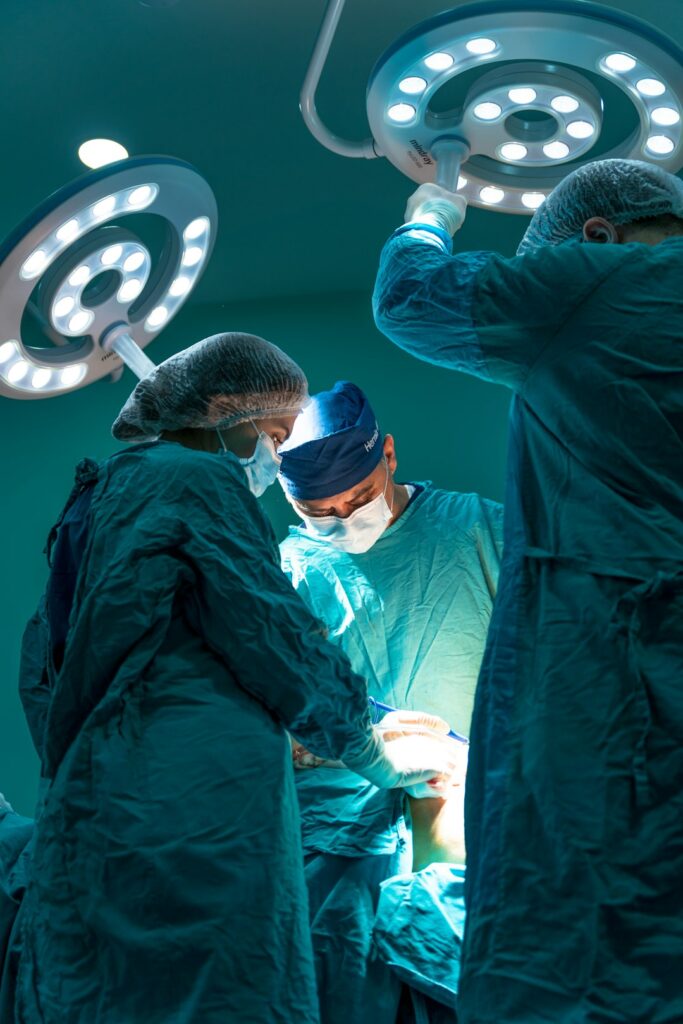

Cataract surgery is the main treatment once the cloudiness begins to interfere with daily activities. The surgeon removes the affected lens and usually replaces it with an artificial intraocular lens (IOL). There are several types of IOLs available: monofocal lenses correct vision at one distance, multifocal lenses cover near and far vision, and toric lenses address astigmatism. Deciding on the right lens involves discussing your lifestyle and visual demands with your ophthalmologist.
Many people worry cataract surgery will be long or painful. In truth, it’s one of the safest and most common surgeries worldwide. The procedure often takes less than an hour. Patients remain awake but receive local anaesthetic to block discomfort. After surgery, most notice clearer vision within a few days and can resume normal activities quickly. Surgeons typically provide detailed post-op instructions including eye drop schedules and precautions to avoid strain or infection.
Consider John, a retiree who found reading his favourite novels frustrating because words blurred together. After consulting a cataract surgeon brisbane northside, he chose multifocal lenses that restored his ability to see clearly at different distances. Post-surgery, John happily returned to his reading routine without relying on glasses or contacts. Such practical outcomes show how cataract surgery can improve quality of life.
Younger patients can also develop cataracts, especially those with diabetes or long-term steroid use. Sarah, age 45, noticed her computer screen was increasingly fuzzy at work. After evaluation by an eye care professional, she was informed cataract surgery could help restore sharpness in her vision. Modern surgical techniques offer reliable results for patients like Sarah, who need clear vision for daily tasks and employment.
Not all blurry vision means cataracts. Conditions like glaucoma or macular degeneration can produce similar symptoms but require different treatments. That’s why a thorough eye examination is crucial when you experience any changes in sight. Eye specialists measure eye pressure, check retinal health, and assess lens clarity before recommending treatment.
If you suspect cataracts, scheduling an eye exam is the first step. Early detection helps track progression and consider surgical timing. For people in Caboolture and nearby areas seeking advice, consulting a cataract surgeon brisbane northside provides expert evaluation and options tailored to your needs.
While surgery is often necessary for advanced cataracts, early stages might be managed with non-surgical methods such as updated glasses prescriptions or improved lighting conditions. Regular eye check-ups help monitor changes and keep overall eye health in check. For more information about eye care and cataracts, visit vision care in brisbane.